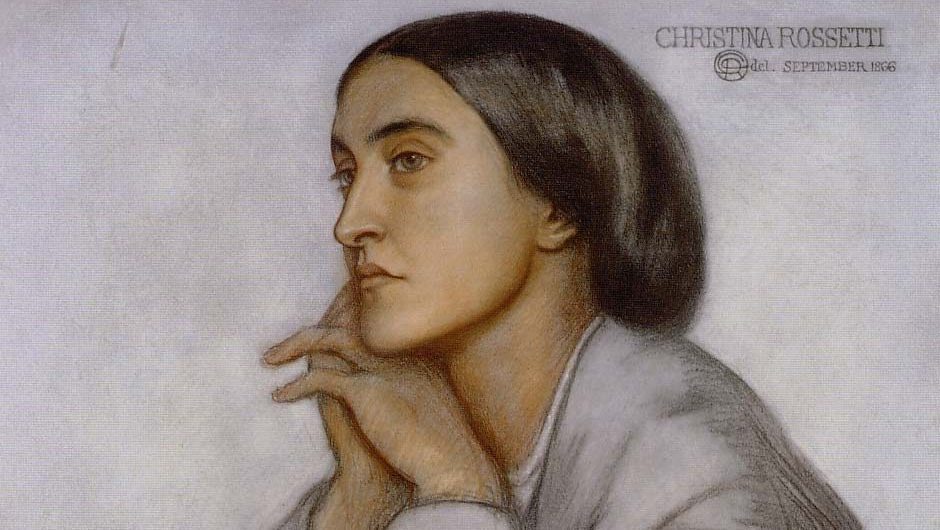
Christina Rossetti
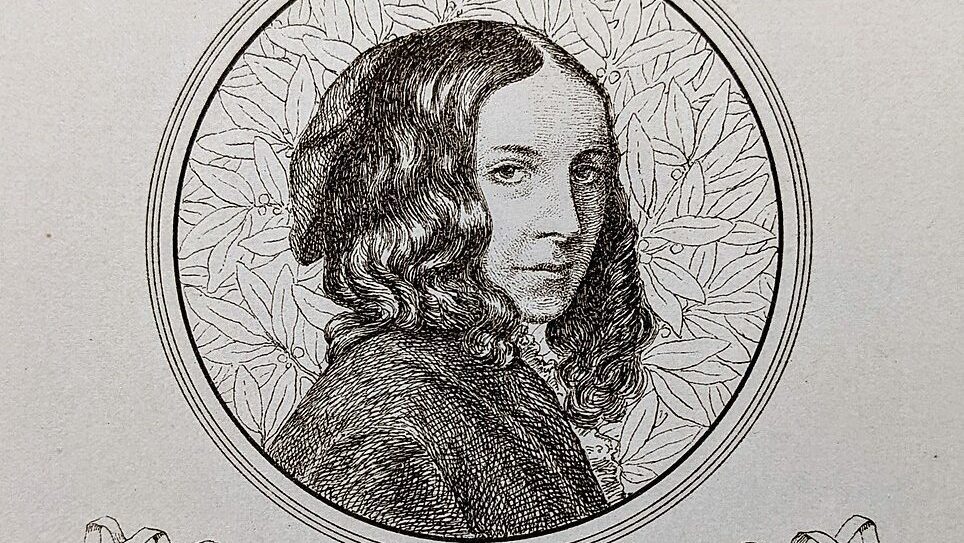
One of the finest lyric poets of the Victorian age: from the eerie fairy tale of “Goblin Market” to the carol “In the Bleak Midwinter,” Rossetti wove faith, love, and renunciation into unforgettable verse.
Theme
22 poems
One of the finest lyric poets of the Victorian age: from the eerie fairy tale of “Goblin Market” to the carol “In the Bleak Midwinter,” Rossetti wove faith, love, and renunciation into unforgettable verse.
One of the most beloved Victorian poets: from “How do I love thee? Let me count the ways” to the feminist verse-novel Aurora Leigh, Barrett Browning fused passionate love with a fierce social conscience.
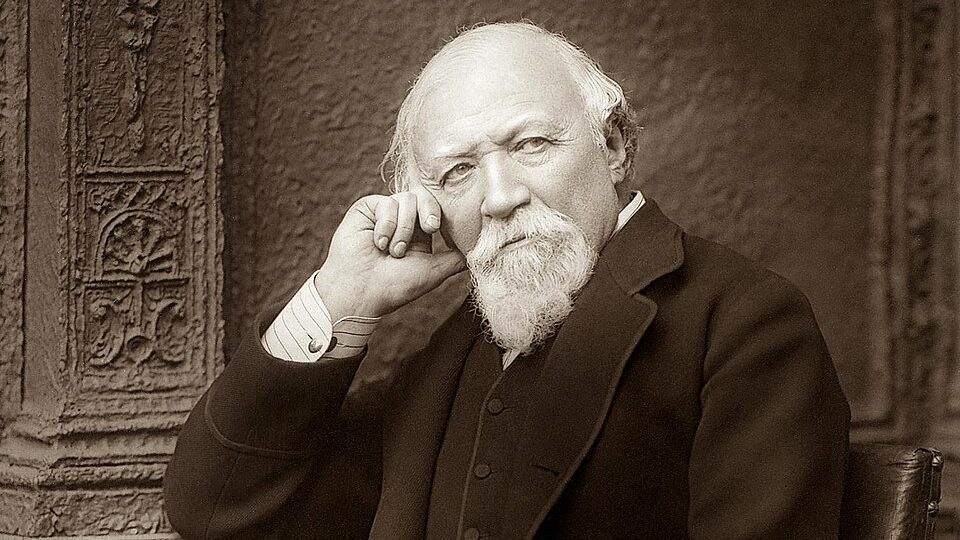
The Victorian master of the dramatic monologue: in “My Last Duchess,” “Porphyria’s Lover,” and The Ring and the Book, Browning let dukes, murderers, and saints expose their own minds — and pointed the way to modern poetry.
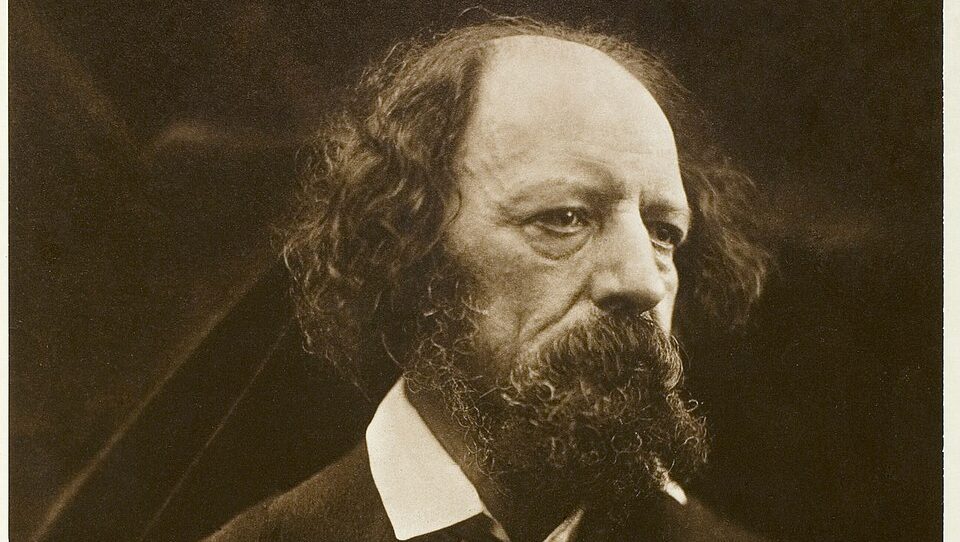
The defining poet of the Victorian age and its Poet Laureate for over forty years, Tennyson turned private grief and public occasion alike into some of the most musical, most quoted verse in English.
Co-founder of English Romanticism, Coleridge gave us the haunted “Rime of the Ancient Mariner,” the opium dream of “Kubla Khan,” and a theory of imagination that shaped criticism for a century.
The Lake District poet who launched English Romanticism: with Lyrical Ballads he gave poetry the plain speech of ordinary life and made nature, memory, and childhood its central subjects.
Orphaned, impoverished, and haunted by loss, the American master of the macabre gave us “The Raven,” the detective story, and a body of verse and tales that still defines Gothic literature.
The Brooklyn printer who reinvented poetry: across forty years and a single ever-growing book, Leaves of Grass, Whitman pioneered free verse and gave America its most expansive voice.
The reclusive genius of Amherst who wrote nearly 1,800 poems in near-total privacy — and, decades after her death, became one of the founders of modern American poetry.
Robert Frost (1874–1963), the four-time Pulitzer winner who kept traditional form alive in the modernist age, found whole worlds in stone walls, snowy woods, and forking roads.