Paul Laurence Dunbar
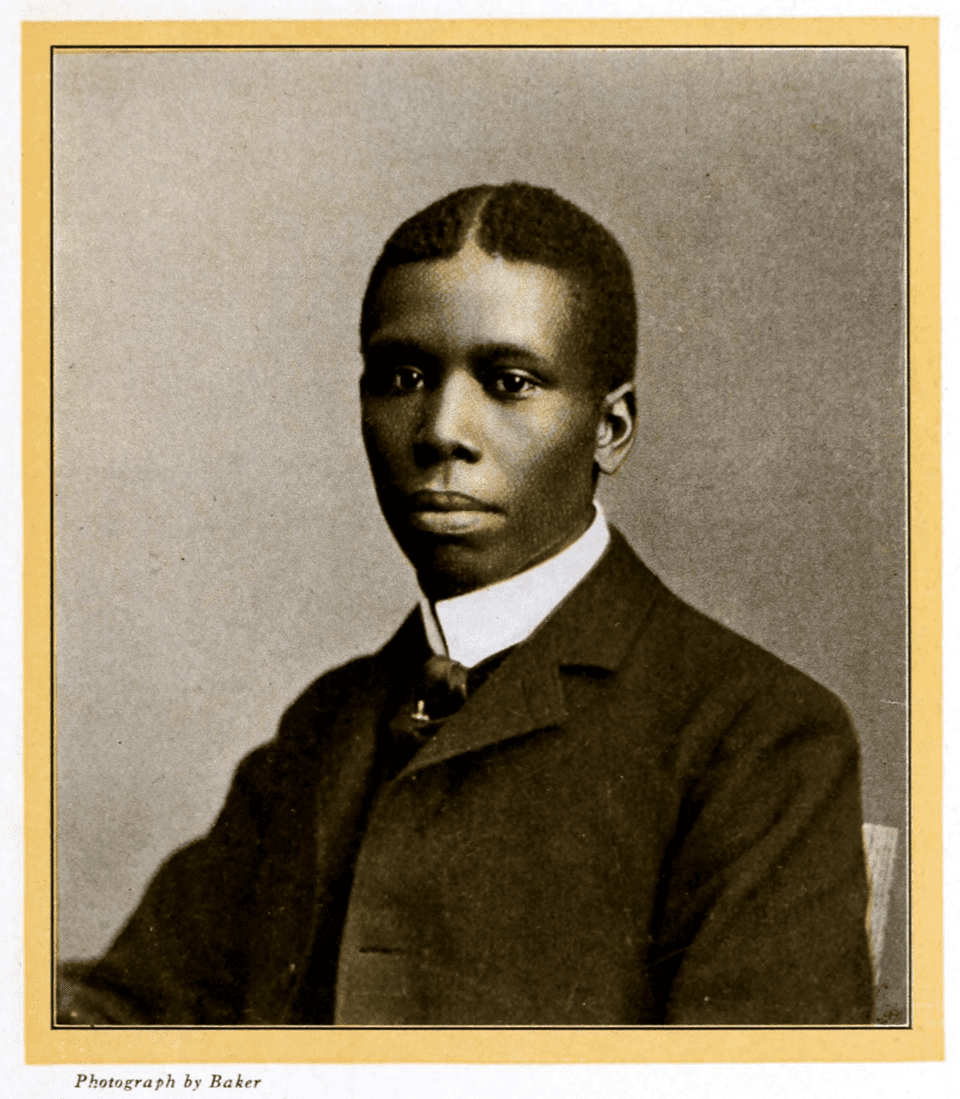
The son of formerly enslaved parents, Paul Laurence Dunbar became the first African American poet to win national and international fame, writing “We Wear the Mask” and “Sympathy” before his death at thirty-three.
Theme
30 poems
The son of formerly enslaved parents, Paul Laurence Dunbar became the first African American poet to win national and international fame, writing “We Wear the Mask” and “Sympathy” before his death at thirty-three.
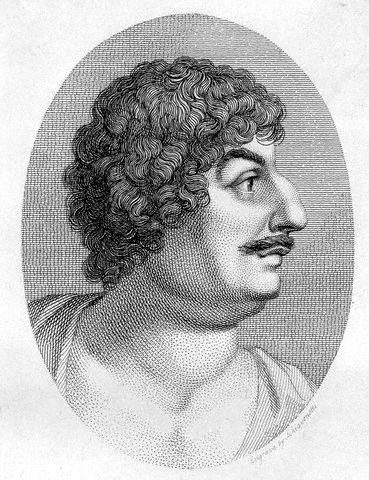
A country vicar and the most original of Ben Jonson’s followers, Robert Herrick packed his one book, Hesperides, with carpe diem lyrics like “Gather ye rosebuds while ye may” before fading from view for a century.
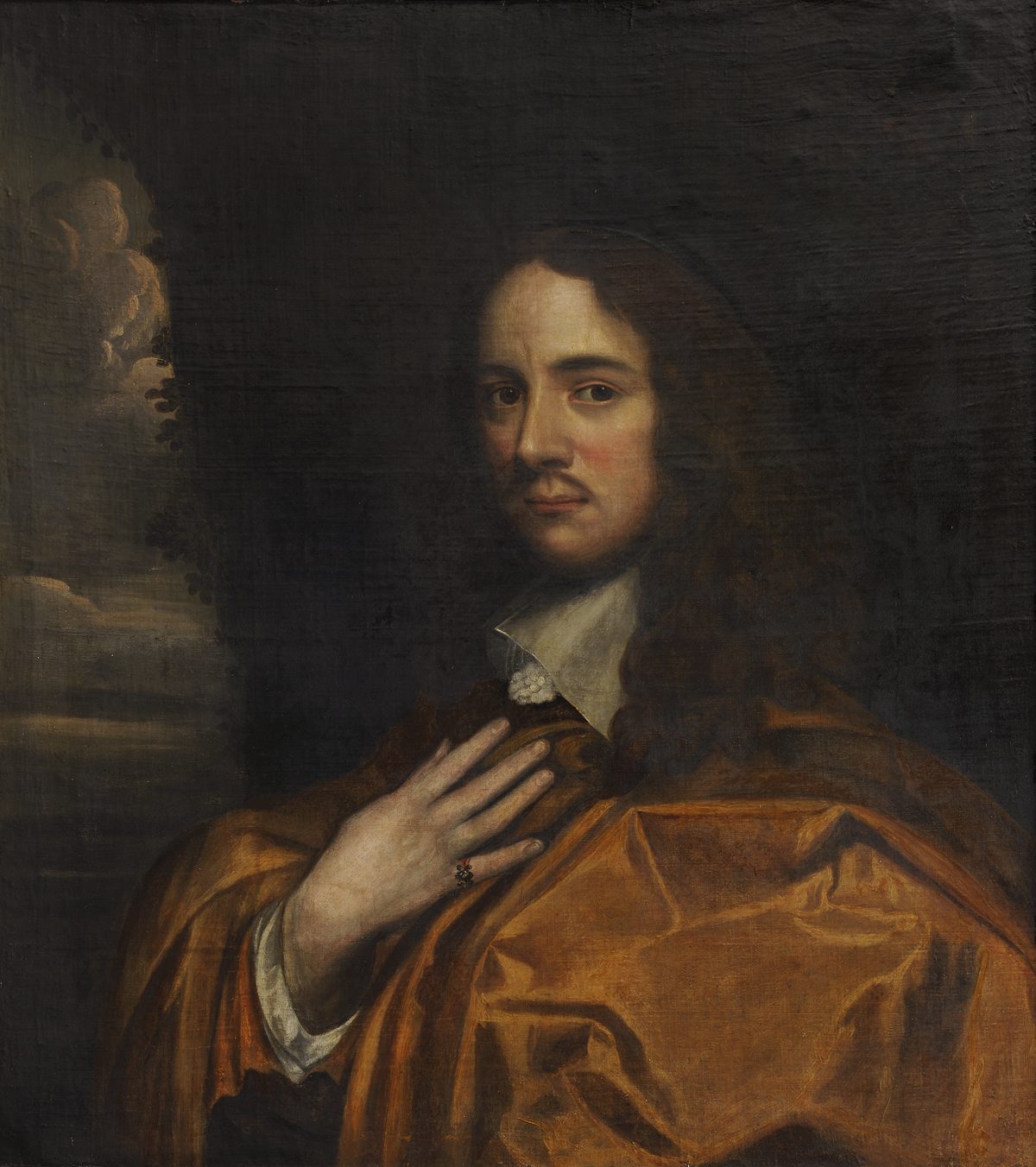
Poet, satirist, and MP for Hull, Andrew Marvell wrote some of English poetry’s wittiest lyrics — including “To His Coy Mistress” — yet his verse stayed in shadow for two centuries before its rediscovery.
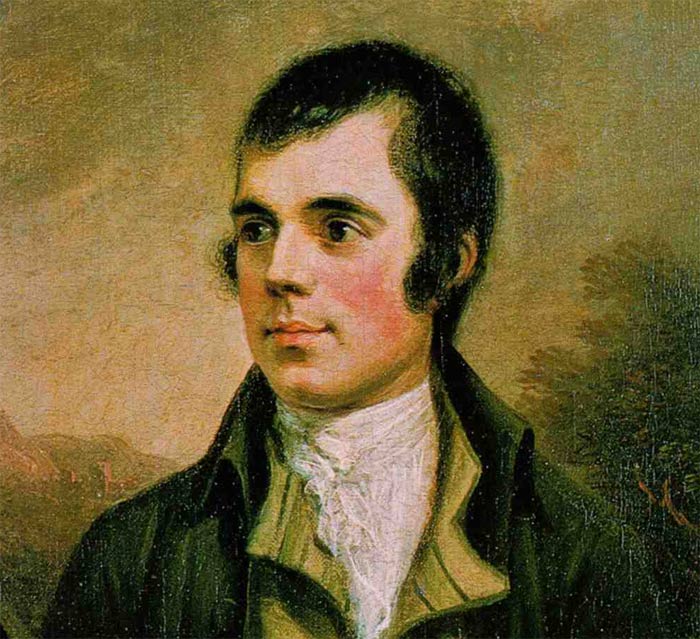
Scotland’s national poet, Robert Burns rose from a failing Ayrshire farm to literary fame, rescued the nation’s songs, and gave the world Auld Lang Syne before dying at thirty-seven.
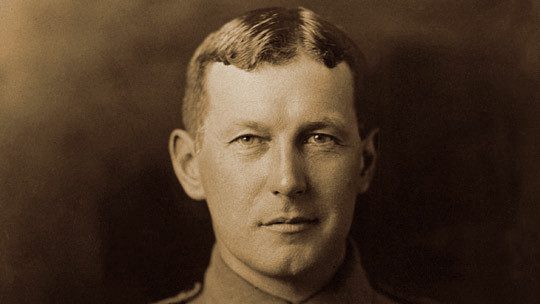
A Canadian army surgeon, John McCrae wrote In Flanders Fields after a friend’s death at Ypres — the poem that made the poppy a symbol of remembrance. His life, his war, and his legacy.
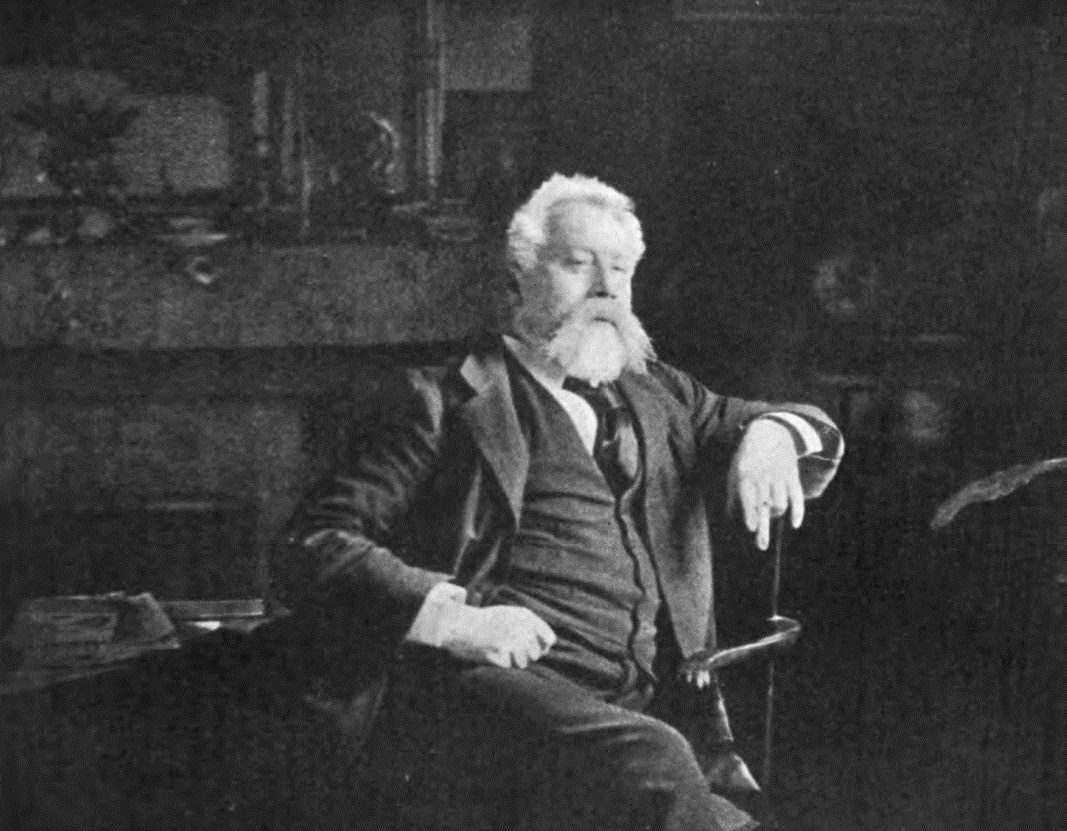
He lost a leg to tuberculosis, wrote Invictus from his sickbed, and edited the magazines that launched Kipling and Yeats. The defiant life of William Ernest Henley — poet, editor, and the model for Long John Silver.
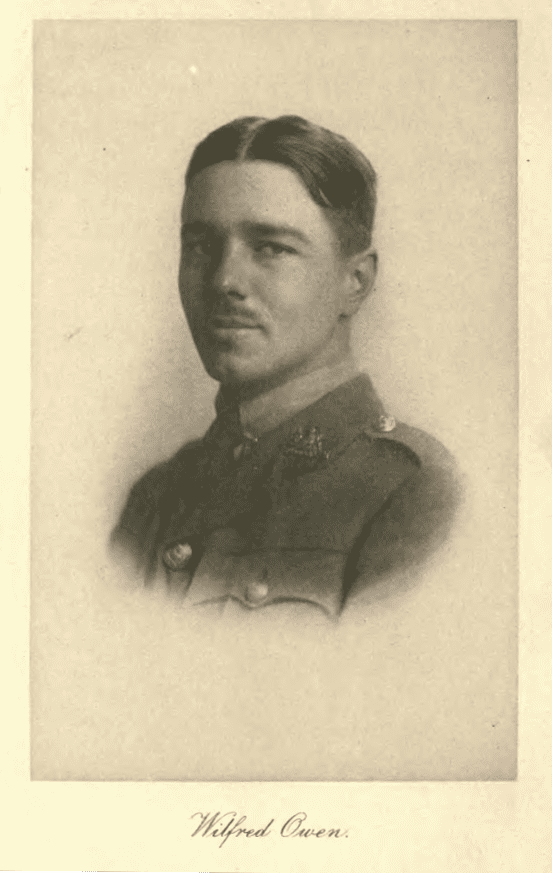
Killed a week before the Armistice at 25, Wilfred Owen left behind the most powerful poetry of the First World War — a look at his short life, his war, and the pity at the heart of his verse.
English poet Rupert Brooke (1887–1915) won fame for his idealistic 1914 war sonnets, above all “The Soldier,” and for his early death en route to Gallipoli. A look at his life, poems, style, and reputation.
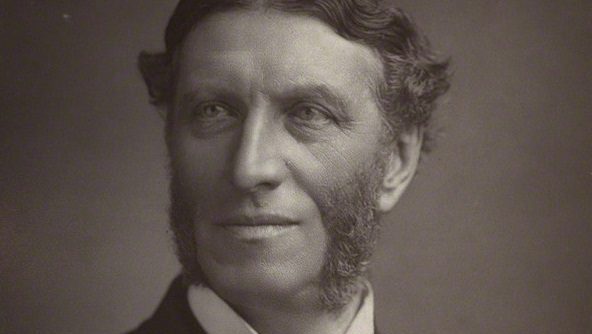
The Victorian poet and critic behind “Dover Beach”: a life spent bridging faith and doubt, Romantic feeling and classical restraint, poetry and the criticism that made him the “sage” of his age.
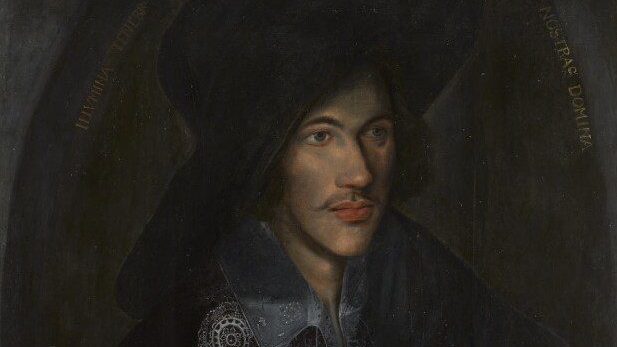
Foremost of the Metaphysical poets, John Donne fused intellect, passion, and faith — from audacious love lyrics to the Holy Sonnets and the sermons that made him Dean of St Paul’s.
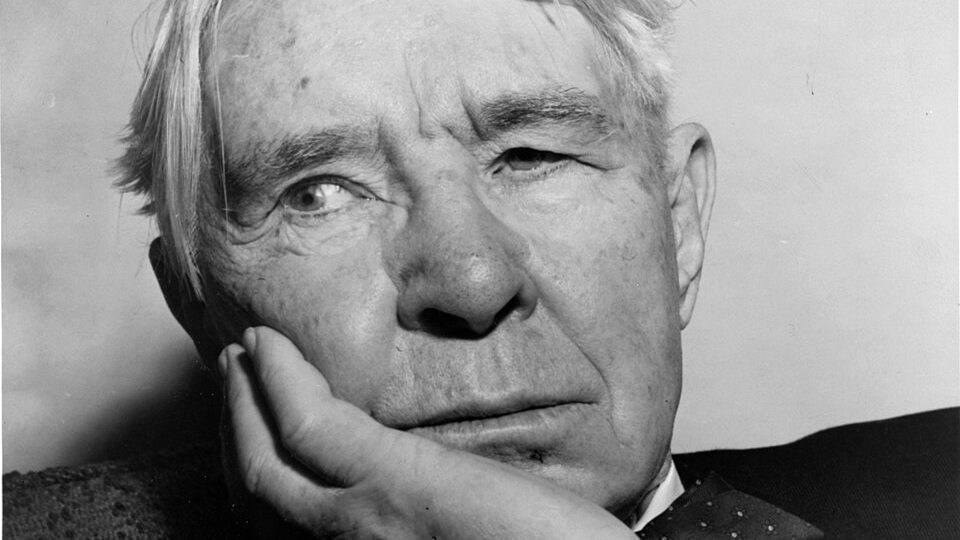
Carl Sandburg (1878–1967), the Pulitzer-winning poet of working-class America, made free verse a hymn to ordinary people — from “Chicago” to his monumental life of Lincoln.
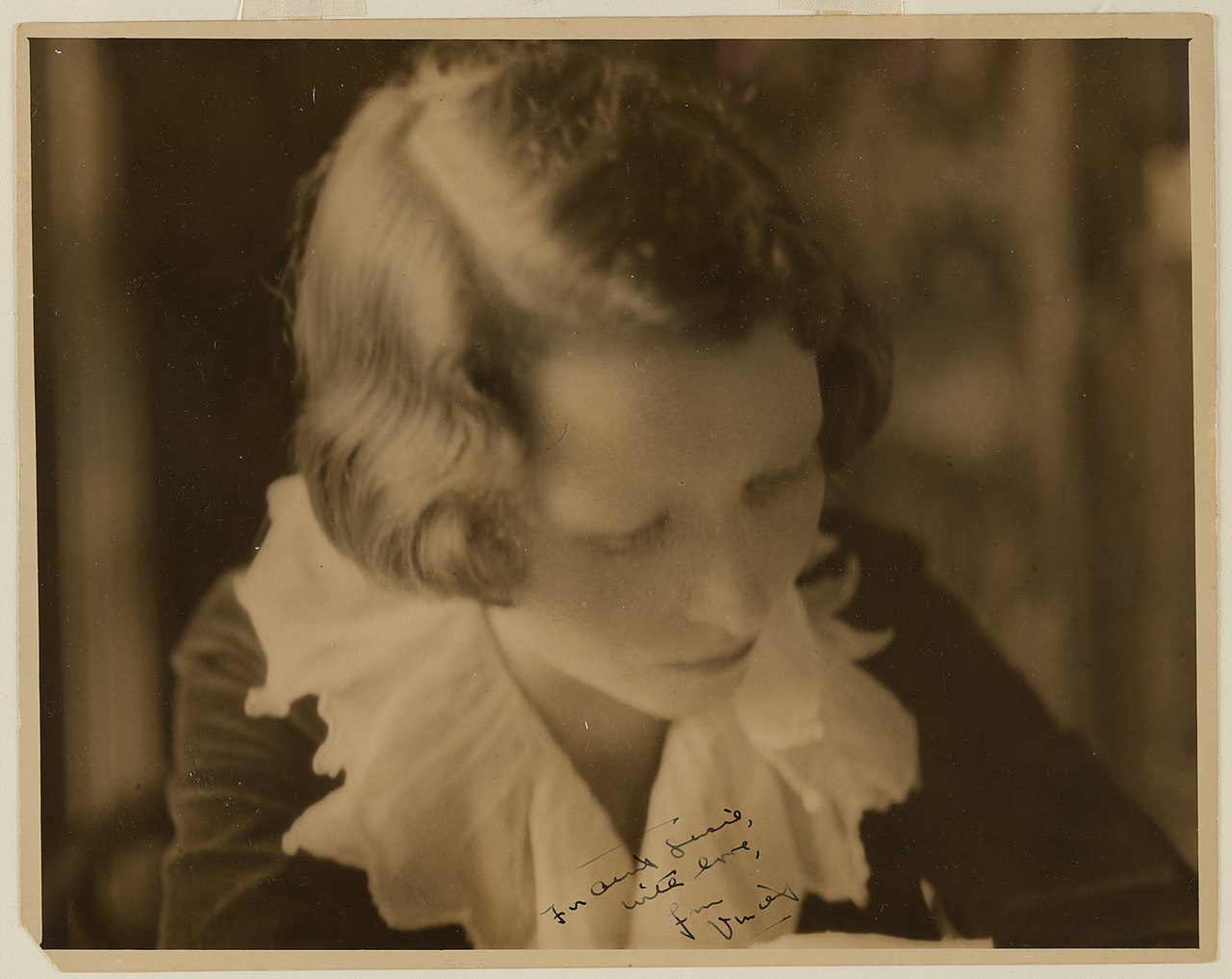
A Pulitzer-winning virtuoso of the sonnet and a symbol of the modern “New Woman,” Millay burned her candle at both ends — pouring love, desire, and fierce independence into some of the finest American verse of her century.