Era · 1780 – 1837
Romantic Poetry
Wordsworth, Coleridge, Blake, Byron, Shelley and Keats: nature, imagination, feeling and the rebel individual.
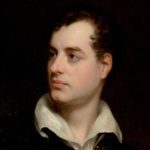 Byron
Byron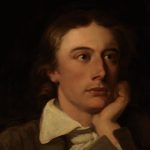 Keats
Keats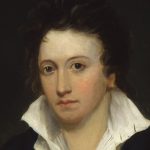 Shelley
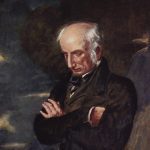 Wordsworth
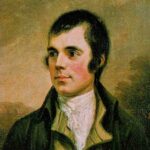 Burns
Burns37 poems
A Dream within a DreamTake this kiss upon the brow!
Edgar Allan Poe
Lyric
A Red, Red RoseO my Luve is like a red, red rose
Robert Burns
Ballad
A Visit from St. Nicholas (’Twas the Night Before Christmas)’Twas the night before Christmas, when all through the house
Clement Clarke Moore
Narrative
Adonais (Selected Excerpts)I weep for Adonais—he is dead!
Percy Bysshe Shelley
Elegy
Auld Lang SyneShould auld acquaintance be forgot,
Robert Burns
Song
Bright StarBright star, would I were stedfast as thou art—
John Keats
Sonnet
Childe Harold’s Pilgrimage (Canto III — Selected Excerpts)
Lord Byron
Daffodils (I Wandered Lonely as a Cloud)I wandered lonely as a cloud
William Wordsworth
Lyric
Darkness
Lord Byron
Don Juan (Canto I — Selected Excerpts)
Lord Byron
EndymionA thing of beauty is a joy for ever:
John Keats
Narrative
Fare Thee Well
Lord Byron
La Belle Dame sans MerciO what can ail thee, knight-at-arms,
John Keats
Ballad
Lines Composed a Few Miles Above Tintern Abbey
William Wordsworth
London, 1802
William Wordsworth
Love’s Philosophy
Percy Bysshe Shelley
Lyric
Manfred (Selected Excerpts)
Lord Byron
Mont Blanc (Selected Excerpts)
Percy Bysshe Shelley
Ode on a Grecian UrnThou still unravish’d bride of quietness,
John Keats
Ode
Ode to the West Wind (Selected Excerpts)
Percy Bysshe Shelley
On First Looking into Chapman’s HomerMuch have I travell'd in the realms of gold,
John Keats
Sonnet
OzymandiasI met a traveller from an antique land,
Percy Bysshe Shelley
Sonnet
PrometheusTitan! to whose immortal eyes
Lord Byron
Ode
She Walks in BeautyShe walks in beauty, like the night
Lord Byron
Lyric
So, We’ll Go No More a Roving
Lord Byron
Lyric
Stanzas to Augusta (Selected Excerpts)
Lord Byron
The Ballad of the OystermanIt was a tall young oysterman lived by the river-side,
Alfred Noyes
Ballad
The Eve of St. Agnes (Selected Excerpts)
John Keats
The LambLittle Lamb who made thee
William Blake
Lyric
The Prisoner of Chillon (Selected Excerpts)
Lord Byron
The Solitary Reaper
William Wordsworth
Lyric
The TygerTyger Tyger, burning bright,
William Blake
Lyric
The World Is Too Much With Us
William Wordsworth
Sonnet
To a Skylark
Percy Bysshe Shelley
Ode
To AutumnSeason of mists and mellow fruitfulness,
John Keats
Ode
When I Have Fears That I May Cease to BeWhen I have fears that I may cease to be
John Keats
Sonnet
When We Two PartedWhen we two parted
Lord Byron
Lyric
No poems match.