When We Two Parted
Lord Byron’s lyric of a secret love affair that ended in silence — and the grief that returns at the sound of a name. Full poem, summary, and analysis.
Era
46 poems
Lord Byron’s lyric of a secret love affair that ended in silence — and the grief that returns at the sound of a name. Full poem, summary, and analysis.
Exile becomes self-fashioning in Byron’s Canto III, where Spenserian stanzas join spectacle to inward pilgrimage.
In witty ottava rima, Byron’s “Don Juan” swaps epic heroics for satire — a comic anatomy of desire and hypocrisy.
An apocalyptic lyric from 1816, “Darkness” imagines a sunless world — grandeur without comfort, entropy without appeal.
A tender farewell to excess, Byron’s lyric accepts time’s limits so that love may last.
It’s the poem everyone knows by Whitman and the one he came to resent: a rhymed, sentimental elegy for the assassinated Lincoln from the man who invented American free verse. Here’s why it works, and what it cost him.
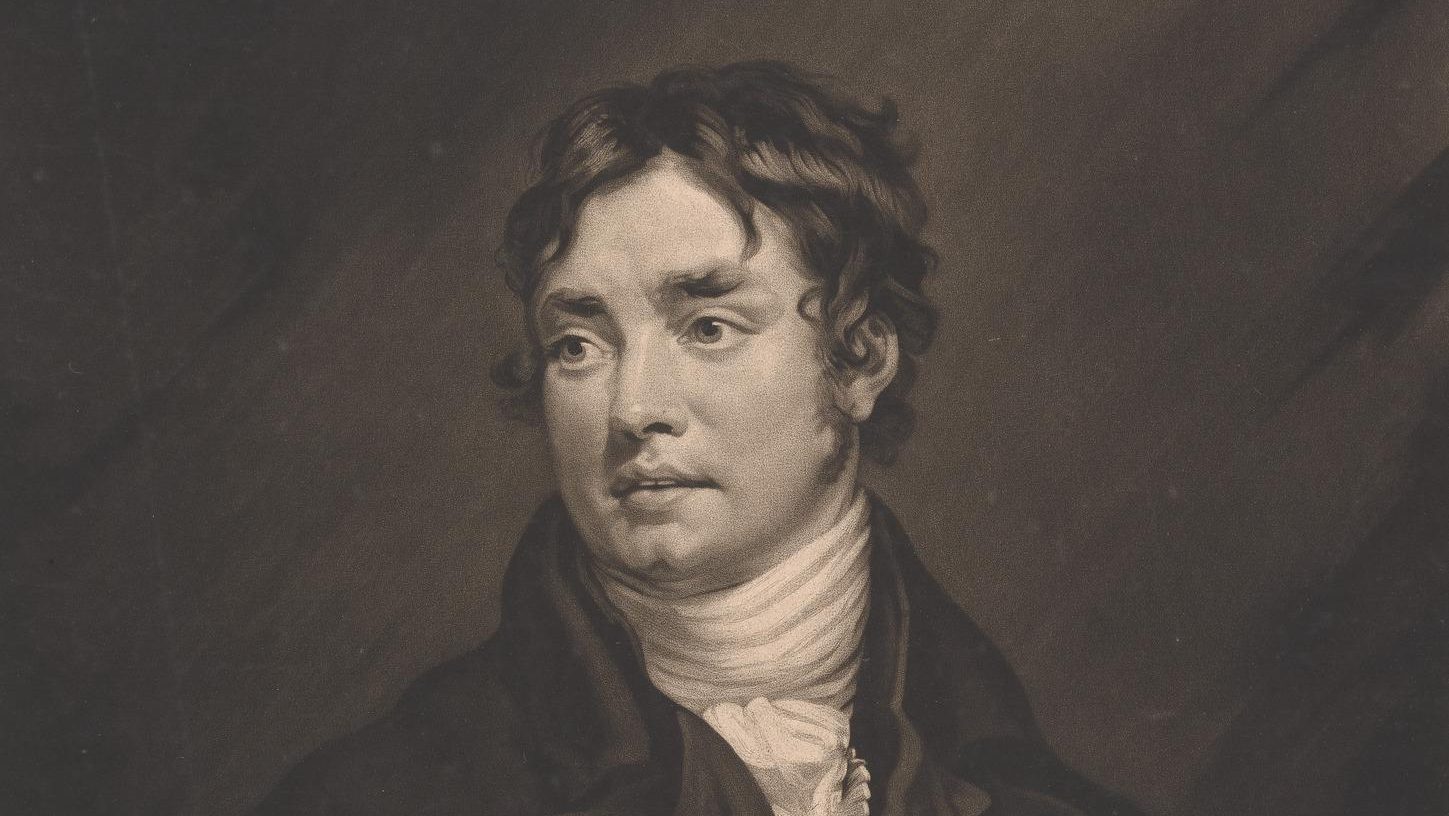
Co-founder of English Romanticism, Coleridge gave us the haunted “Rime of the Ancient Mariner,” the opium dream of “Kubla Khan,” and a theory of imagination that shaped criticism for a century.
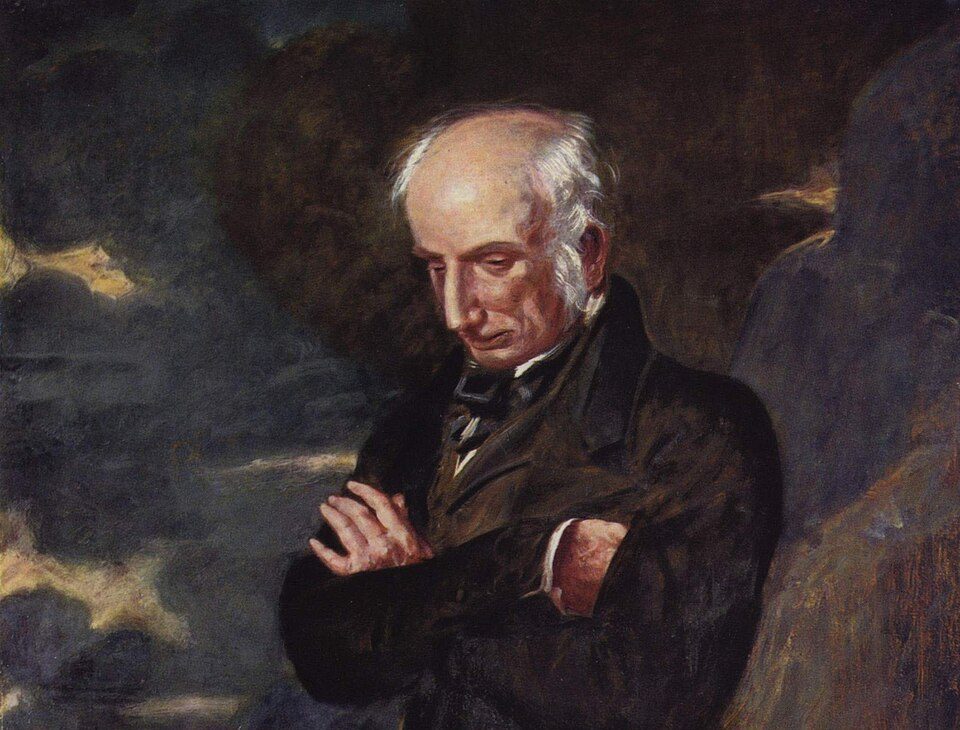
The Lake District poet who launched English Romanticism: with Lyrical Ballads he gave poetry the plain speech of ordinary life and made nature, memory, and childhood its central subjects.

Orphaned, impoverished, and haunted by loss, the American master of the macabre gave us “The Raven,” the detective story, and a body of verse and tales that still defines Gothic literature.
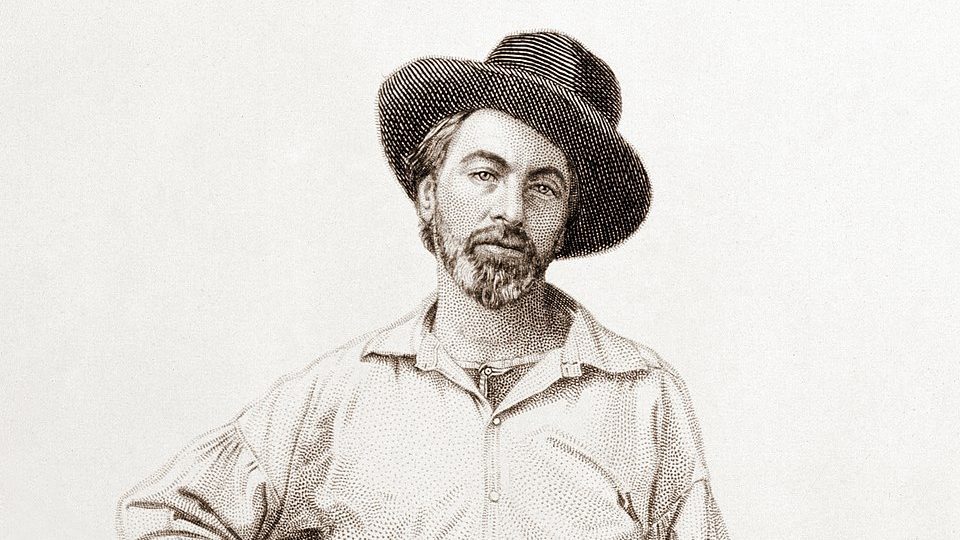
The Brooklyn printer who reinvented poetry: across forty years and a single ever-growing book, Leaves of Grass, Whitman pioneered free verse and gave America its most expansive voice.