John McCrae
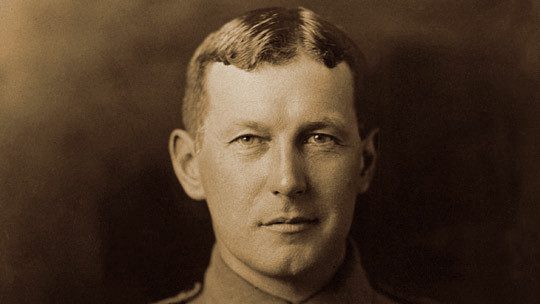
A Canadian army surgeon, John McCrae wrote In Flanders Fields after a friend’s death at Ypres — the poem that made the poppy a symbol of remembrance. His life, his war, and his legacy.
Theme
22 poems
A Canadian army surgeon, John McCrae wrote In Flanders Fields after a friend’s death at Ypres — the poem that made the poppy a symbol of remembrance. His life, his war, and his legacy.
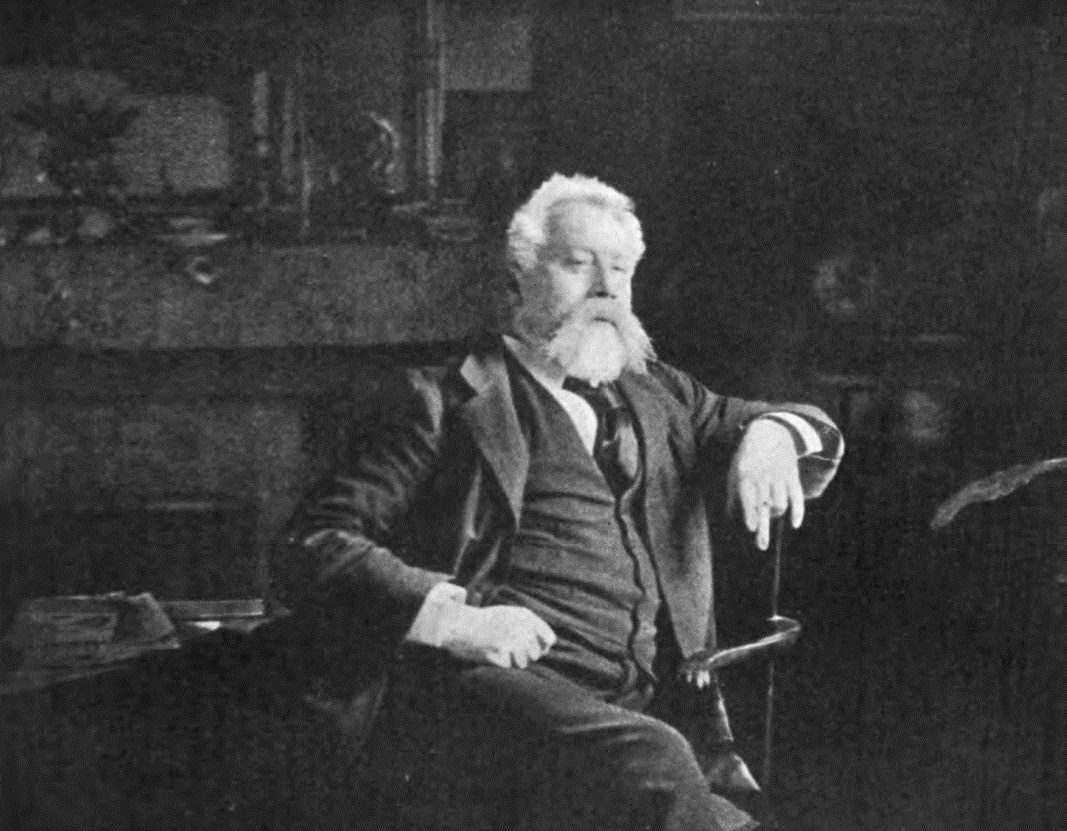
He lost a leg to tuberculosis, wrote Invictus from his sickbed, and edited the magazines that launched Kipling and Yeats. The defiant life of William Ernest Henley — poet, editor, and the model for Long John Silver.
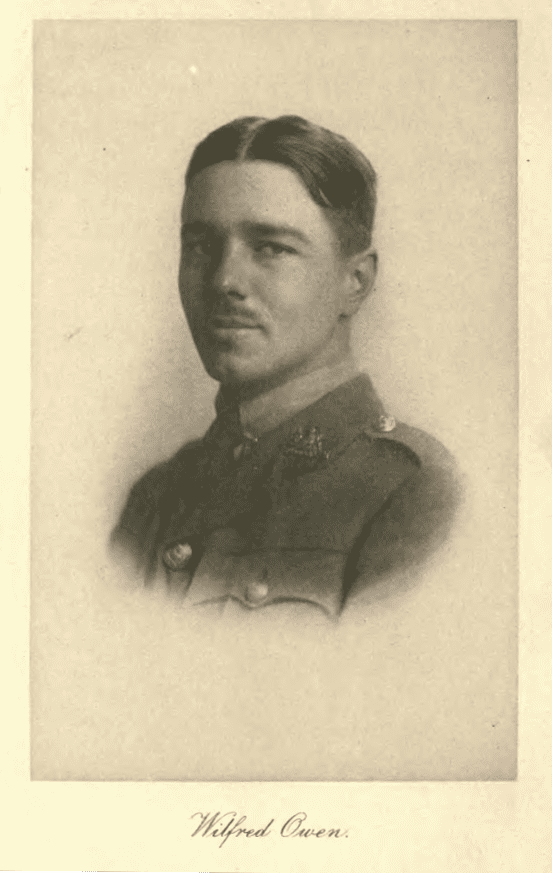
Killed a week before the Armistice at 25, Wilfred Owen left behind the most powerful poetry of the First World War — a look at his short life, his war, and the pity at the heart of his verse.
Wilfred Owen’s searing First World War poem forces the reader to witness a soldier’s death by gas — and calls patriotic glory “the old Lie.” Full poem and analysis.
Tennyson’s chosen last word — the poem he asked be placed last in every edition of his work. Death becomes a ship crossing the harbour bar into the open sea, faced not with rage but with calm, hard-won hope.
In Carl Sandburg’s “Grass” (1918) the grass itself speaks, burying the dead of Austerlitz, Gettysburg, and Verdun until travelers forget the battles ever happened — a quiet, chilling anti-war poem.
Facing the dread of an early death, Keats fears dying before his pen empties his teeming brain, before he traces the sky’s visions, before he loves. A reading of his 1818 sonnet on mortality, ambition, and love.
Facing death in the First World War, a soldier imagines the foreign field where he might lie becoming “for ever England.” A reading of Brooke’s 1914 sonnet: its patriotism, form, and idealised vision of home.
John Donne addresses death as a powerless braggart and argues that, for the faithful, it is only a short sleep before eternal waking. A reading of Holy Sonnet 10’s argument, form, and famous closing paradox.
A twenty-year-old does the math on how many springs he has left and decides to spend them looking at a tree. The least dramatic carpe diem in English, and one of the most exact.
Everyone reads it as the artist sealed off from life. But the 1842 revision strips away the explanation and leaves something stranger and crueler: a death received by the world as a pretty corpse.
Everyone in the room is braced for the sacred moment. What arrives is a fly. Dickinson’s most devastating poem is about what death looks like when the King doesn’t come.