Paul Laurence Dunbar
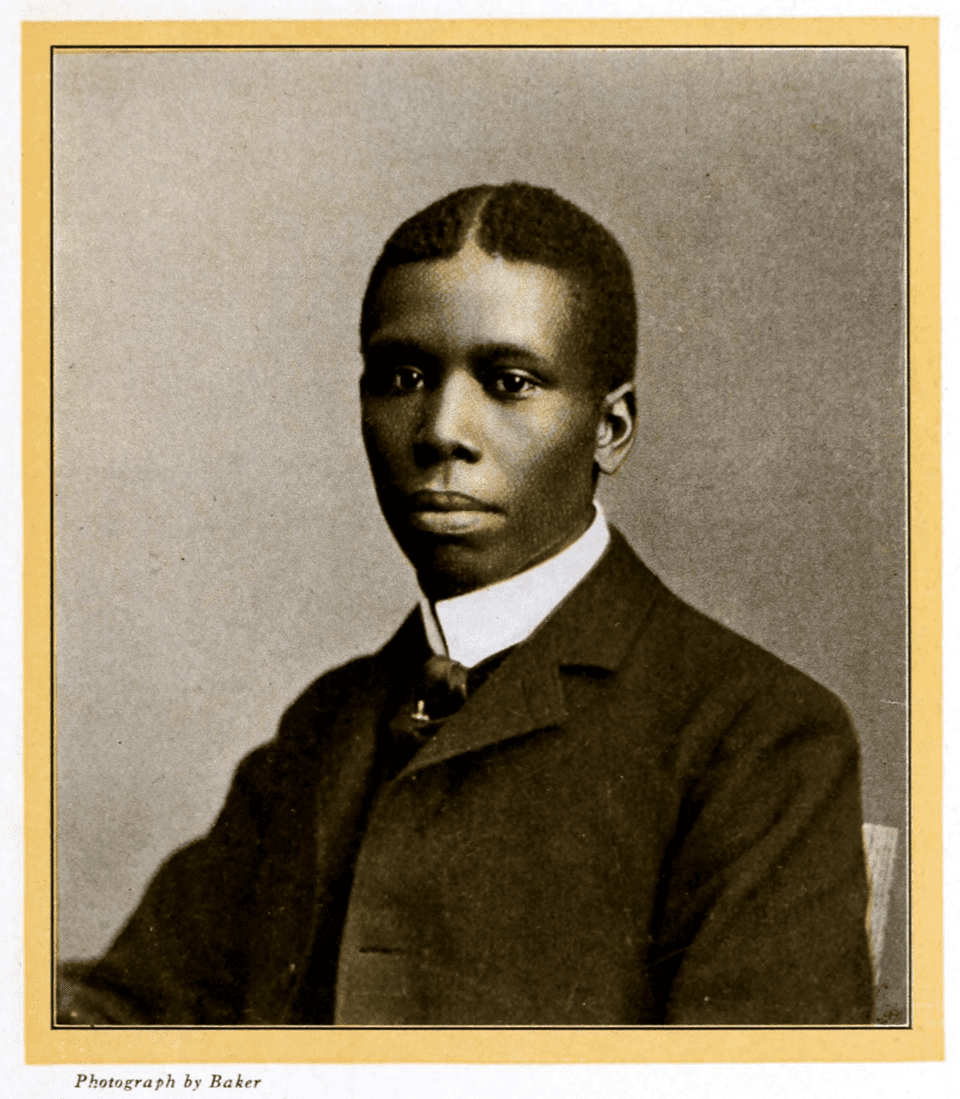
The son of formerly enslaved parents, Paul Laurence Dunbar became the first African American poet to win national and international fame, writing “We Wear the Mask” and “Sympathy” before his death at thirty-three.
Theme
43 poems
The son of formerly enslaved parents, Paul Laurence Dunbar became the first African American poet to win national and international fame, writing “We Wear the Mask” and “Sympathy” before his death at thirty-three.
Walt Whitman walks out of a star lecture to look up at the real night sky — eight lines weighing measured knowledge against pure wonder. Full poem and analysis.
The poem that gave Maya Angelou her memoir title. Dunbar’s caged bird — beating its wings, singing not for joy but as a prayer for freedom — became one of American poetry’s great images of oppression and longing.
In Carl Sandburg’s “Grass” (1918) the grass itself speaks, burying the dead of Austerlitz, Gettysburg, and Verdun until travelers forget the battles ever happened — a quiet, chilling anti-war poem.
Carl Sandburg’s six-line “Fog” (1916) likens a harbor mist to a cat that sits on silent haunches and then moves on — his most famous short poem and a touchstone of American imagism.
Carl Sandburg’s 1914 free-verse portrait of his adopted city hears every accusation against Chicago, grants them, and answers with fierce pride in its labor and rough, unbeatable vitality.
Twelve short lines of open desire. Dickinson casts longing as a storm to revel in and a harbor to reach, ending on a single wish: to moor, tonight, in thee.
Tell the whole truth, but tell it slant. Dickinson’s compact defense of indirection argues that truth too bright to bear must be eased in gradually or it blinds.
Two quatrains that make a boast out of self-erasure. Dickinson defends anonymity, recruits the reader into a secret club, and reduces fame to a frog in a bog.
A bird eats a worm raw, then rows off through the air like an oar through silent water. Dickinson’s most exact nature poem watches a wild thing right up to the moment it flees.
From a whole nation the soul chooses exactly one, ignores a kneeling emperor at her gate, then closes the valves of her attention “Like Stone” — Dickinson’s most absolute poem about choosing.
A particular angle of December light gives a hurt with no scar. Dickinson’s most precise poem about despair treats a winter mood as a message from God.