I Heard a Fly Buzz When I Died
Everyone in the room is braced for the sacred moment. What arrives is a fly. Dickinson’s most devastating poem is about what death looks like when the King doesn’t come.
Theme
43 poems
Everyone in the room is braced for the sacred moment. What arrives is a fly. Dickinson’s most devastating poem is about what death looks like when the King doesn’t come.
Dickinson’s twelve-line ars poetica builds poetry as a house with more windows than prose and the whole sky for a roof — then spreads two narrow hands wide to gather Paradise.
The nerves sit, the heart questions, the feet go round. Nobody’s home. Dickinson’s anatomy of shock is the most precise poem about aftermath in English.
A bird that sings without words, costs nothing, and gets louder in a storm. Dickinson’s most quoted poem is a hymn to hope that works better than it probably should.
It sounds like serene wisdom — all we see is a dream within a dream. But Poe’s poem dramatizes that thought failing: the calm statement becomes a desperate question, and the speaker ends on a shore, weeping, as the sand runs through his hands.
“Howl” is usually called a raw explosion of rage — but it’s carefully built, moving from the destroyed “best minds” to the machine-god Moloch to a vow of love for the institutionalized friend in “Rockland,” and finally to blessing. Its radical claim: the people society calls mad are its real visionaries — and the obscenity trial it provoked was its thesis tested in court.
Maya Angelou’s anthem of defiance turns insult into self-possession and one woman’s resilience into a whole people’s. An original analysis of its themes, voice, and legacy — with links to read the full poem.
The raven only ever says one word. The horror of Poe’s masterpiece is that the grieving narrator knows this — and keeps asking the questions guaranteed to make “Nevermore” hurt most.
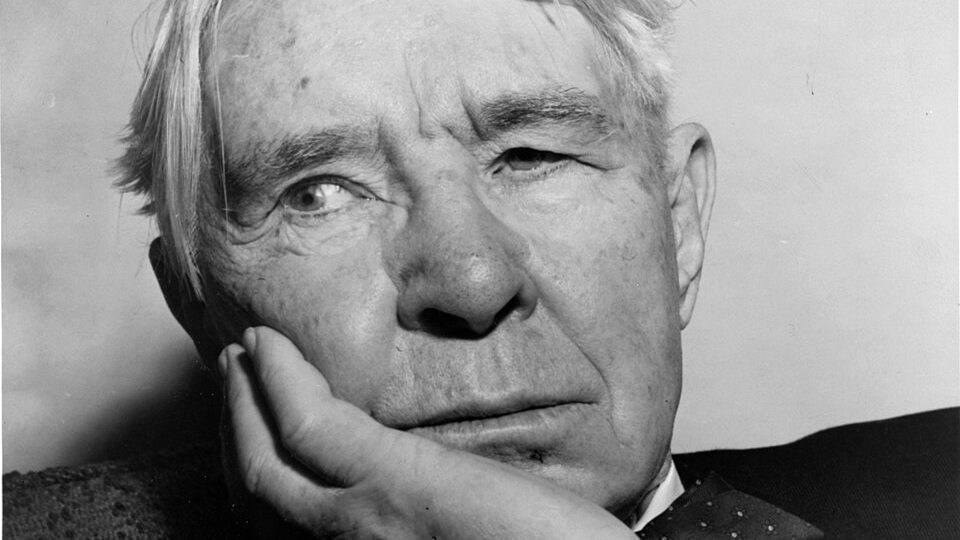
Carl Sandburg (1878–1967), the Pulitzer-winning poet of working-class America, made free verse a hymn to ordinary people — from “Chicago” to his monumental life of Lincoln.
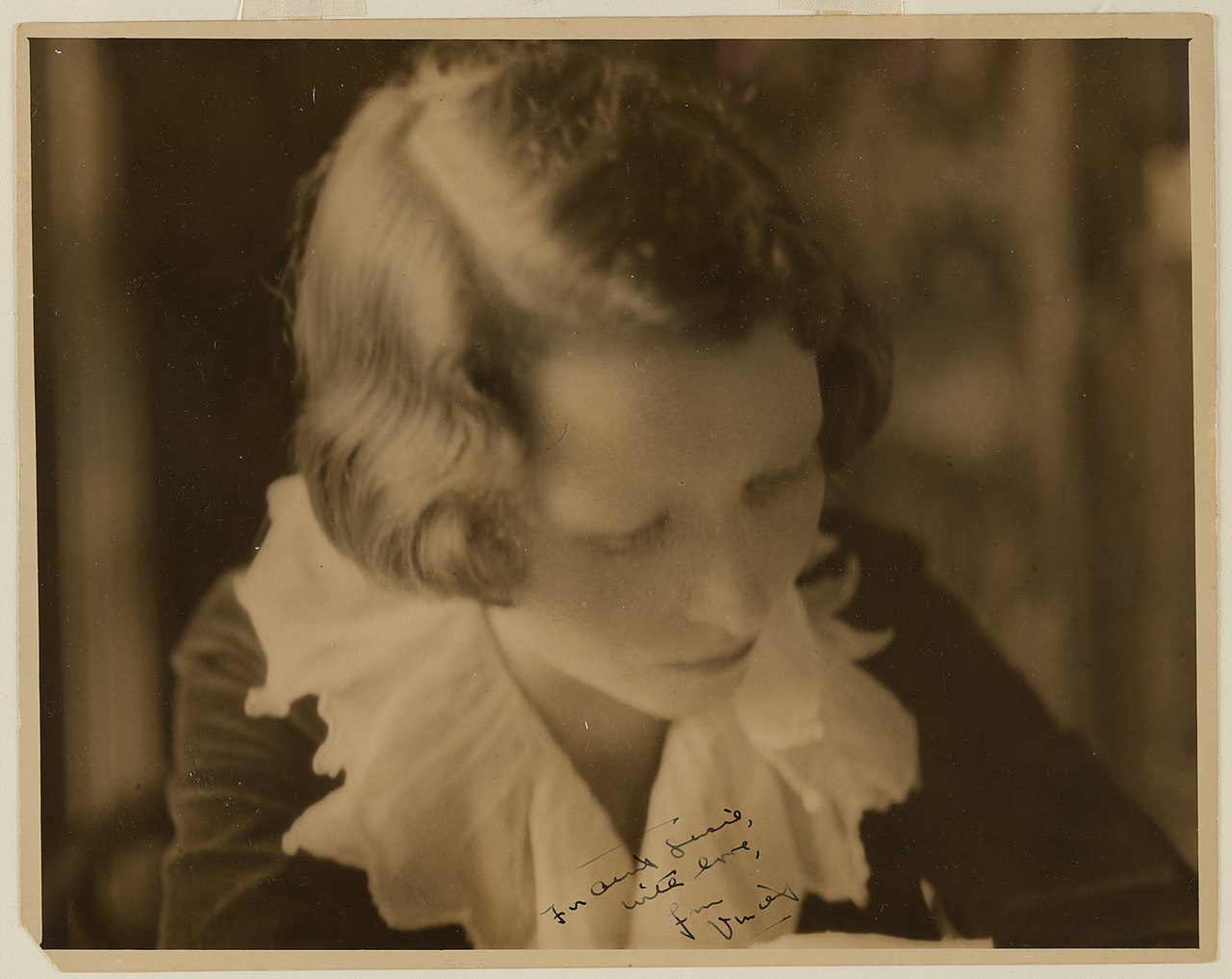
A Pulitzer-winning virtuoso of the sonnet and a symbol of the modern “New Woman,” Millay burned her candle at both ends — pouring love, desire, and fierce independence into some of the finest American verse of her century.
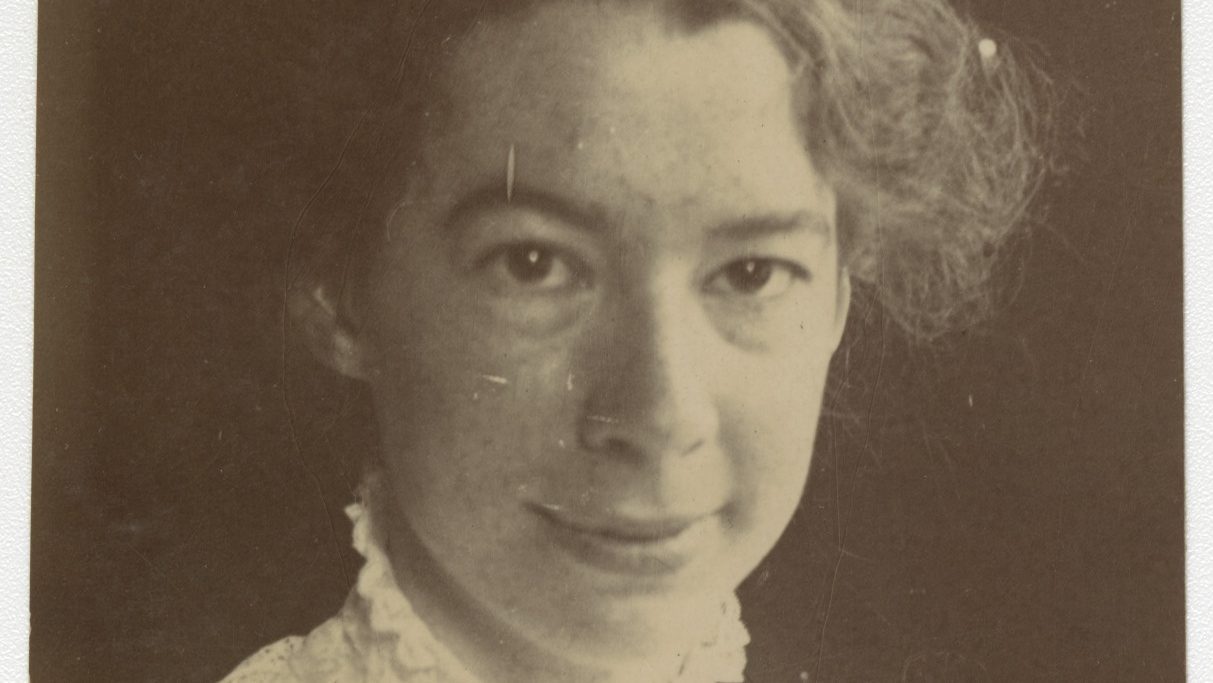
An American master of the short lyric, Teasdale won the prize that became the Pulitzer and wrote some of the most quietly haunting poems of her age — from “There Will Come Soft Rains” to “Barter” — on love, beauty, and loss.
Written as World War I raged, Sara Teasdale’s twelve-line lyric pictures nature carrying on in perfect indifference to human catastrophe — and asks how little our extinction would cost the spring.