Tithonus
Granted immortality but not eternal youth, Tithonus ages forever beside the ever-young dawn goddess who loves him — and begs to be allowed to die. Tennyson’s dark twin to “Ulysses” argues that death is not life’s enemy but its mercy.
Theme
26 poems
Granted immortality but not eternal youth, Tithonus ages forever beside the ever-young dawn goddess who loves him — and begs to be allowed to die. Tennyson’s dark twin to “Ulysses” argues that death is not life’s enemy but its mercy.
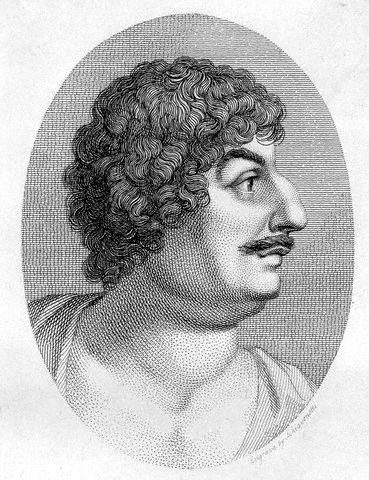
A country vicar and the most original of Ben Jonson’s followers, Robert Herrick packed his one book, Hesperides, with carpe diem lyrics like “Gather ye rosebuds while ye may” before fading from view for a century.
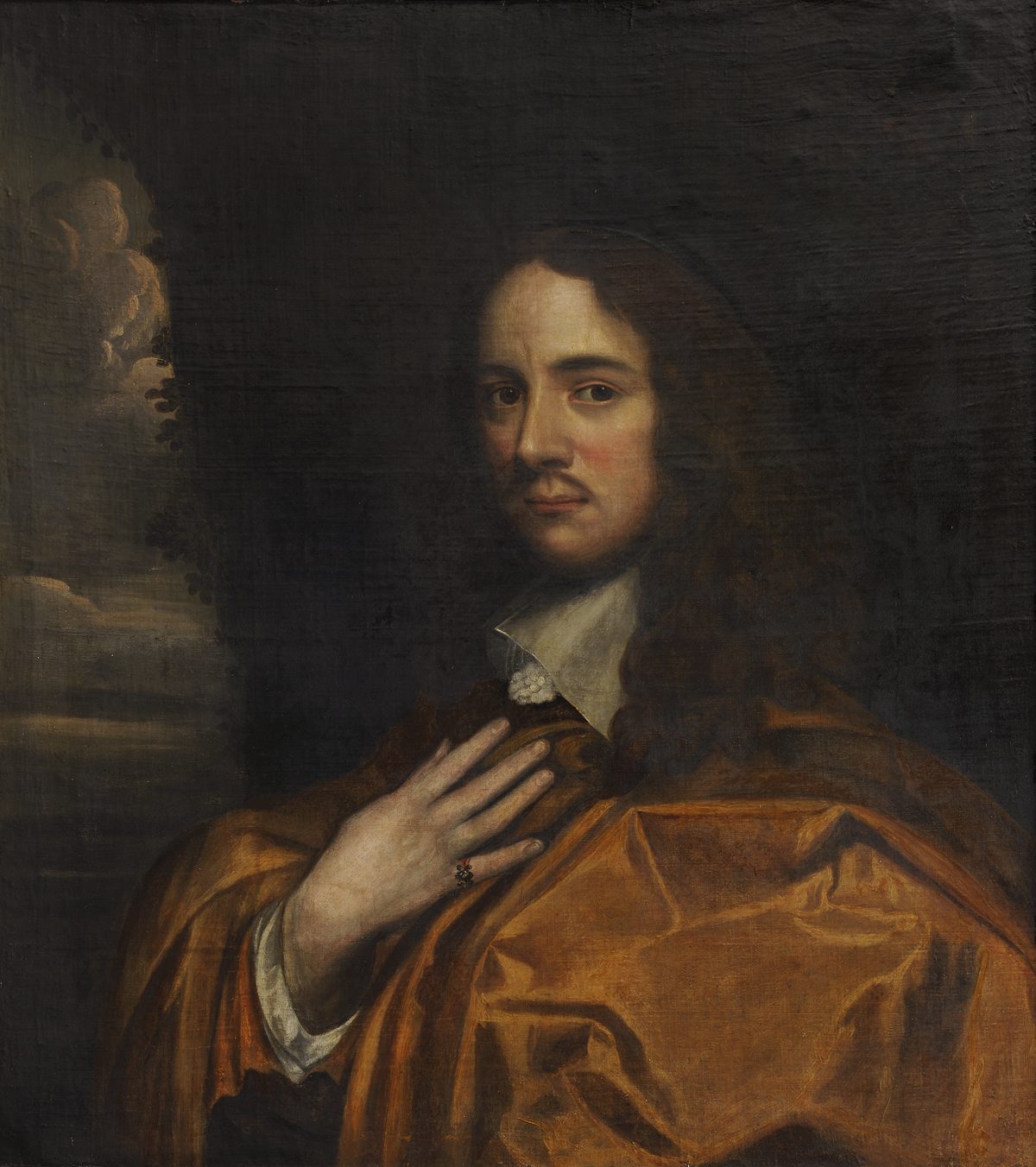
Poet, satirist, and MP for Hull, Andrew Marvell wrote some of English poetry’s wittiest lyrics — including “To His Coy Mistress” — yet his verse stayed in shadow for two centuries before its rediscovery.
A weary traveler asks whether the road climbs all the way to the end, and an unseen voice answers. Rossetti’s dialogue turns life into an uphill journey and death into a welcoming inn with beds for all who come.
Written when Rossetti was a teenager, this gentle “Song” asks a lover to skip the roses and sad songs — and grants him the freedom to remember her or forget. A serene, quietly radical meditation on death.
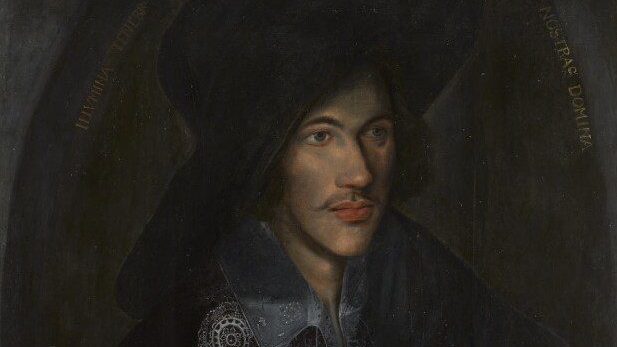
Foremost of the Metaphysical poets, John Donne fused intellect, passion, and faith — from audacious love lyrics to the Holy Sonnets and the sermons that made him Dean of St Paul’s.
Vegetable love, worms, and birds of prey — Marvell’s seduction poem is stranger and more aggressive than “seize the day” suggests, and the mistress never gets to answer.
Robert Herrick’s To the Virgins, to Make Much of Time is the classic “gather ye rosebuds” carpe diem lyric — a close reading of its imagery, its songlike common meter, and the warning hidden in its final line.
Edgar Allan Poe’s “Eldorado” tells of a knight’s lifelong search for a mythical city, symbolizing humanity’s eternal quest for meaning.
In “Sonnet 73,” Shakespeare reflects on aging, mortality, and the strength of love in the face of time’s decay.
It isn’t a poem, and it isn’t really about friendship. Donne wrote “No man is an island” as prose while gravely ill, and its subject is death — the funeral bell you hear for a stranger tolls for you too.
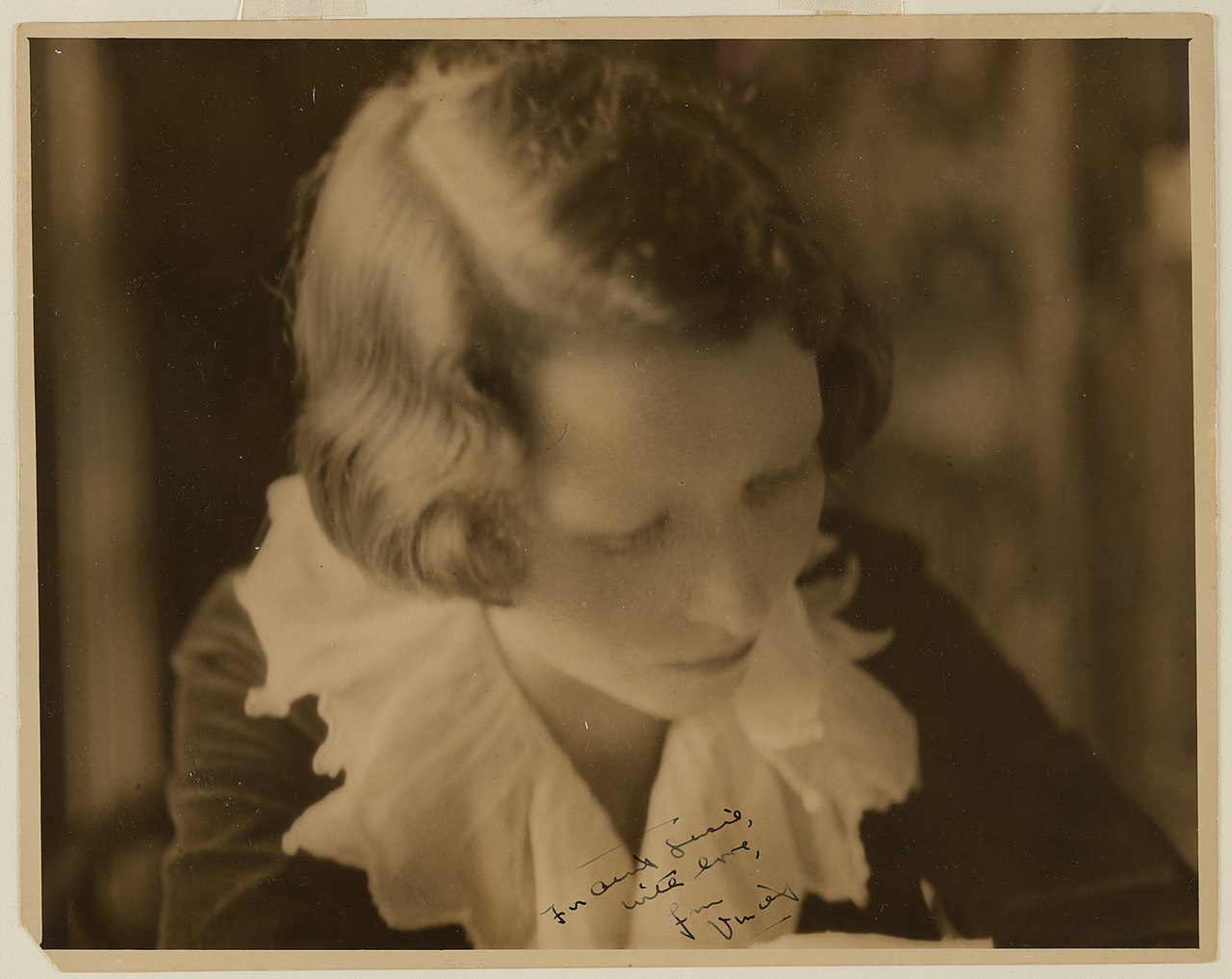
A Pulitzer-winning virtuoso of the sonnet and a symbol of the modern “New Woman,” Millay burned her candle at both ends — pouring love, desire, and fierce independence into some of the finest American verse of her century.