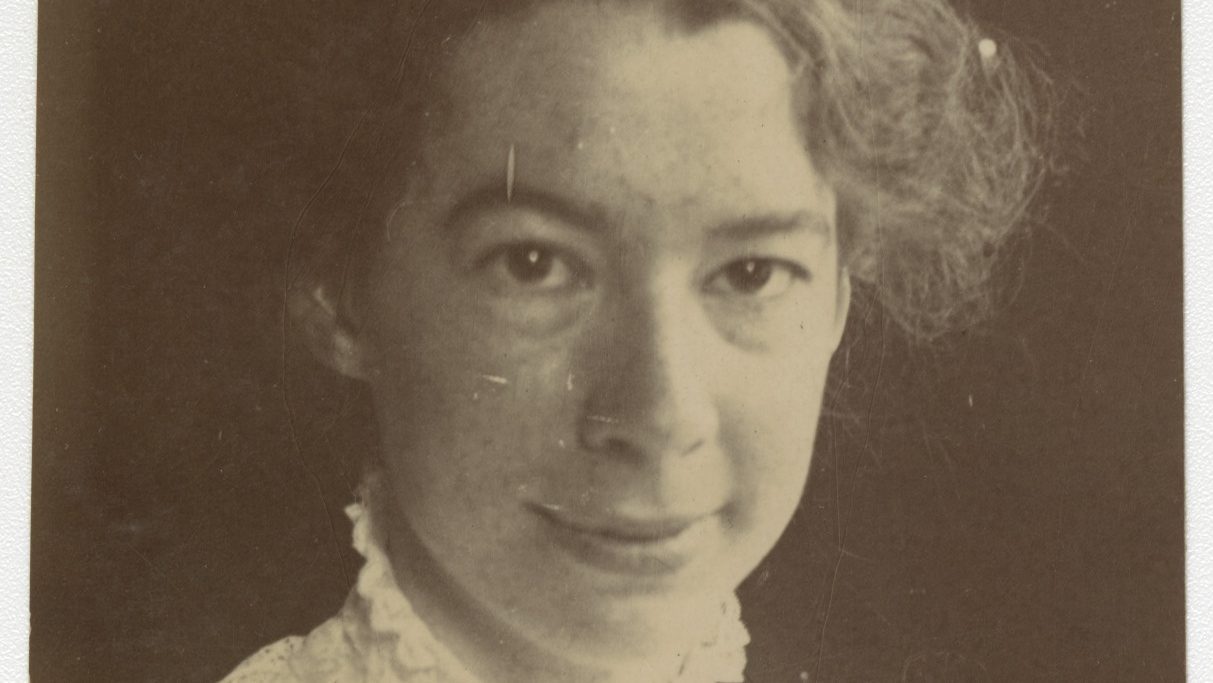
Sara Teasdale
An American master of the short lyric, Teasdale won the prize that became the Pulitzer and wrote some of the most quietly haunting poems of her age — from “There Will Come Soft Rains” to “Barter” — on love, beauty, and loss.
Theme
26 poems
An American master of the short lyric, Teasdale won the prize that became the Pulitzer and wrote some of the most quietly haunting poems of her age — from “There Will Come Soft Rains” to “Barter” — on love, beauty, and loss.
Written as World War I raged, Sara Teasdale’s twelve-line lyric pictures nature carrying on in perfect indifference to human catastrophe — and asks how little our extinction would cost the spring.
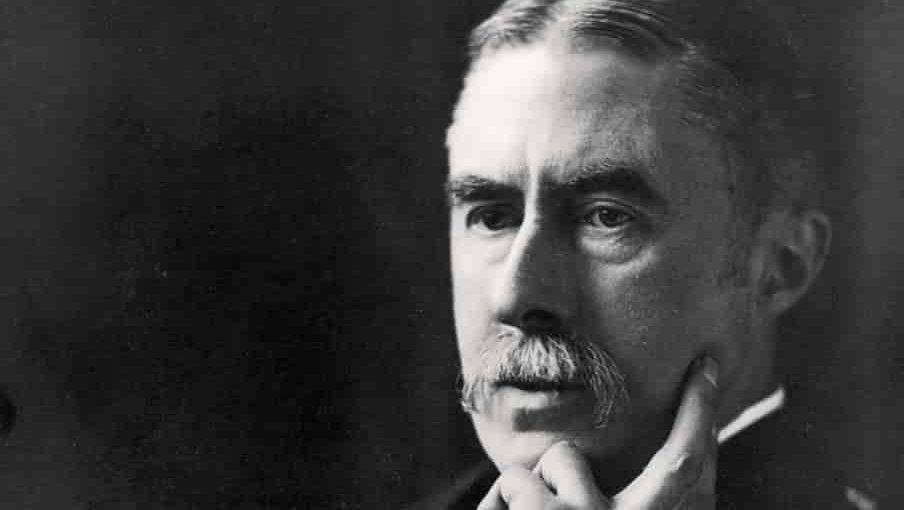
Classical scholar by day and lyric poet by vocation, Housman distilled youth, lost love, and mortality into the spare, unforgettable poems of A Shropshire Lad — beloved music made out of restraint and sorrow.
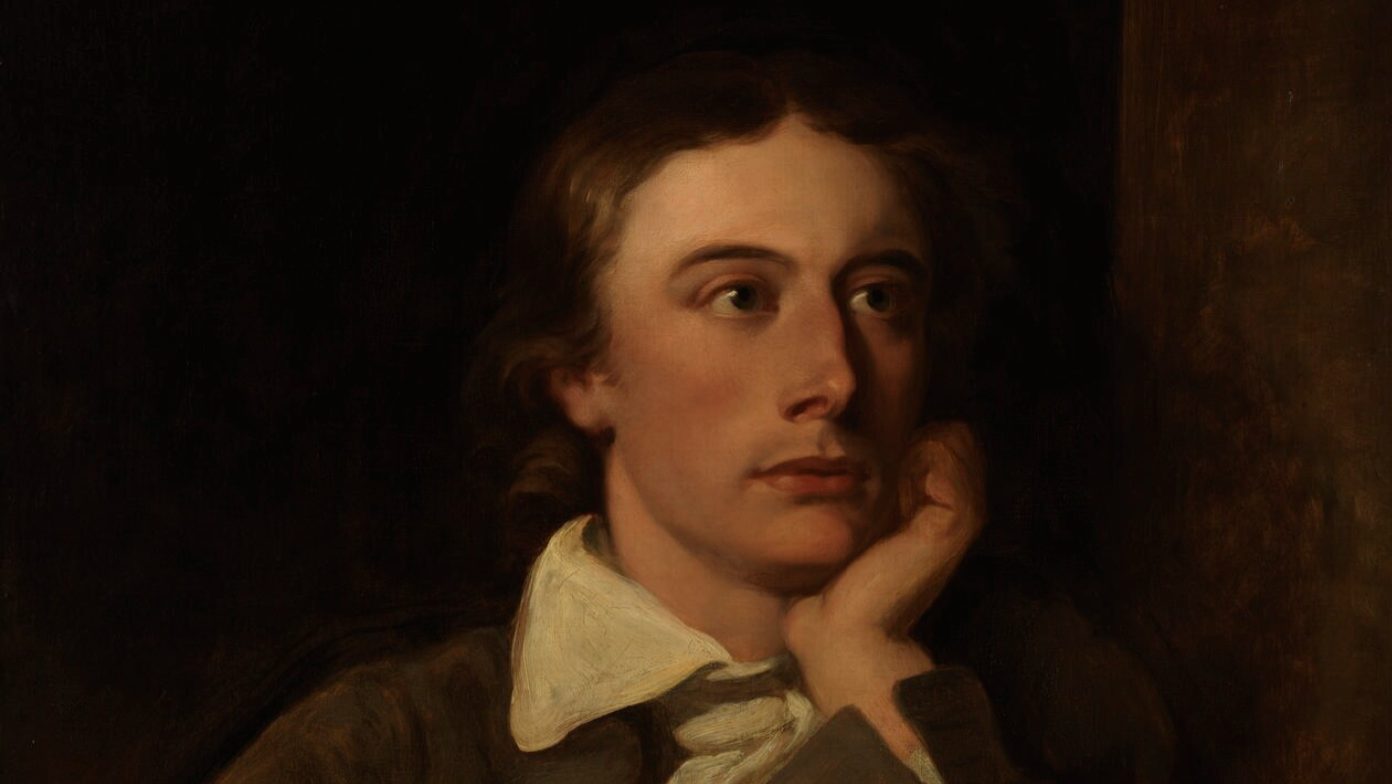
Dead at twenty-five after barely five years of writing, the English Romantic poured beauty and mortality into the great odes of 1819 — and became one of the most beloved poets in the language.
“To strive, to seek, to find, and not to yield” gets quoted as pure uplift. The poem around it is the speech of an old king walking out on his kingdom, his wife, and his son — and Tennyson never tells you whether to cheer.
It’s the most quoted love poem in English — but “How do I love thee?” is stranger and darker than its wedding-reading fame suggests. Barrett Browning sets out to count the ways she loves, only to show that love defeats counting — and she builds that love not from young romance but from old grief and the faith she thought she’d lost.
Everything about “To Autumn” says it should be sad — the end of the year, the coming of winter, written by a man who was dying. Instead Keats writes the least mournful of all autumn poems. He deliberately turns away from elegy (“Think not of them, thou hast thy music too”), erases himself almost entirely from the poem, and renders even the approach of winter as fullness and song.
It reads like the original femme-fatale story: a beautiful faery woman lures a knight, drains him, and leaves him to die where no birds sing. But Keats built the ballad to make that reading impossible to trust — every word about the lady comes from a dying, deluded knight, we never once hear her voice, and the ghosts who brand her “without mercy” are themselves ruined men. The real subject may be desire that idealizes a woman, consumes her, then blames her when the dream ends.
Keats’s “Bright Star” is usually read as choosing warm human love over cold cosmic eternity. But the sonnet is caught in a trap: a star is constant precisely because it is alone and detached, while human warmth is mortal and always in motion. Keats wants permanence without isolation — and the poem half-knows you can’t have both, which is why its last line splits open into “live ever — or else swoon to death.”
A shattered statue in an empty desert, and a tyrant’s boast — “Look on my Works, ye Mighty, and despair!” — turned inside out by time. Shelley’s sonnet is the supreme poem of power’s impermanence, and quietly a poem about art outlasting empire.
Robert Frost’s Birches turns ice-bent trees and a boy’s swinging game into a meditation on imagination, escape, and return, with a close reading of its blank verse and its hope that earth is the right place for love.
Robert Frost’s “After Apple-Picking” watches a weary farmer drift from the day’s harvest toward sleep, apples swimming behind his eyes — one of his great meditations on labor, satiety, and the sleep that may be death.