Endymion
Keats’s longest poem opens “A thing of beauty is a joy for ever.” A reading of his 1818 romance: the shepherd Endymion’s quest for the moon goddess, its lush couplets, and its harsh critical reception.
Theme
4 poems
Keats’s longest poem opens “A thing of beauty is a joy for ever.” A reading of his 1818 romance: the shepherd Endymion’s quest for the moon goddess, its lush couplets, and its harsh critical reception.
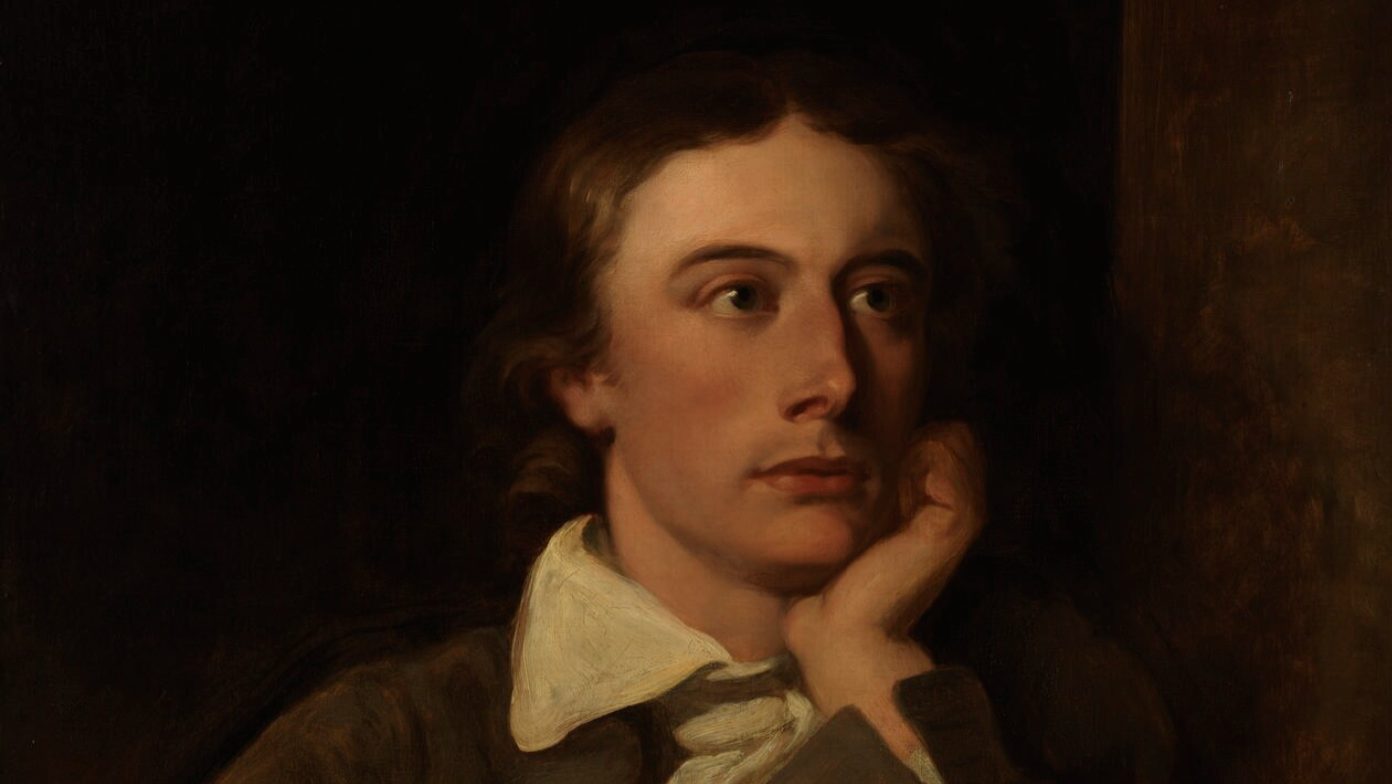
Dead at twenty-five after barely five years of writing, the English Romantic poured beauty and mortality into the great odes of 1819 — and became one of the most beloved poets in the language.
On a marble urn, a lover leans forever toward a kiss he can never complete and a song hangs forever unsung. Keats’s ode asks whether this frozen perfection is a blessing or a torment — and leaves its famous “Beauty is truth, truth beauty” to be weighed, not simply believed.
Byron’s most beloved lyric does something unexpected: it praises beauty by comparing it to night, not day — “all that’s best of dark and bright” meeting in a single face. And it was written not for a lover but for a cousin glimpsed across a ballroom in a black, spangled mourning gown.