Neutral Tones
Written in 1867 but unpublished for thirty years, Thomas Hardy’s “Neutral Tones” remembers the end of a love beside a frozen pond, where a white sun, gray leaves, and a dying smile fix disillusionment forever.
Theme
42 poems
Written in 1867 but unpublished for thirty years, Thomas Hardy’s “Neutral Tones” remembers the end of a love beside a frozen pond, where a white sun, gray leaves, and a dying smile fix disillusionment forever.
Just six lines, built like a coiled spring. Tennyson sets his eagle atop the world in monumental stillness — the sea far below merely “crawls” — then releases everything in one final plunge, on a verb that may mean a strike, or a death.
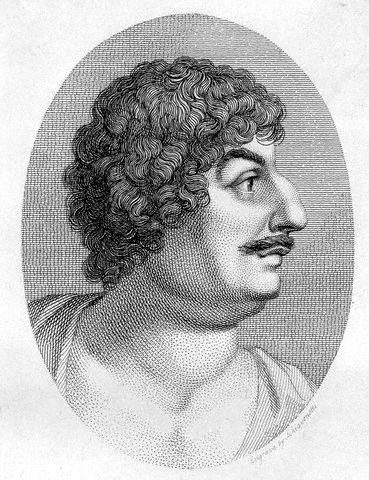
A country vicar and the most original of Ben Jonson’s followers, Robert Herrick packed his one book, Hesperides, with carpe diem lyrics like “Gather ye rosebuds while ye may” before fading from view for a century.
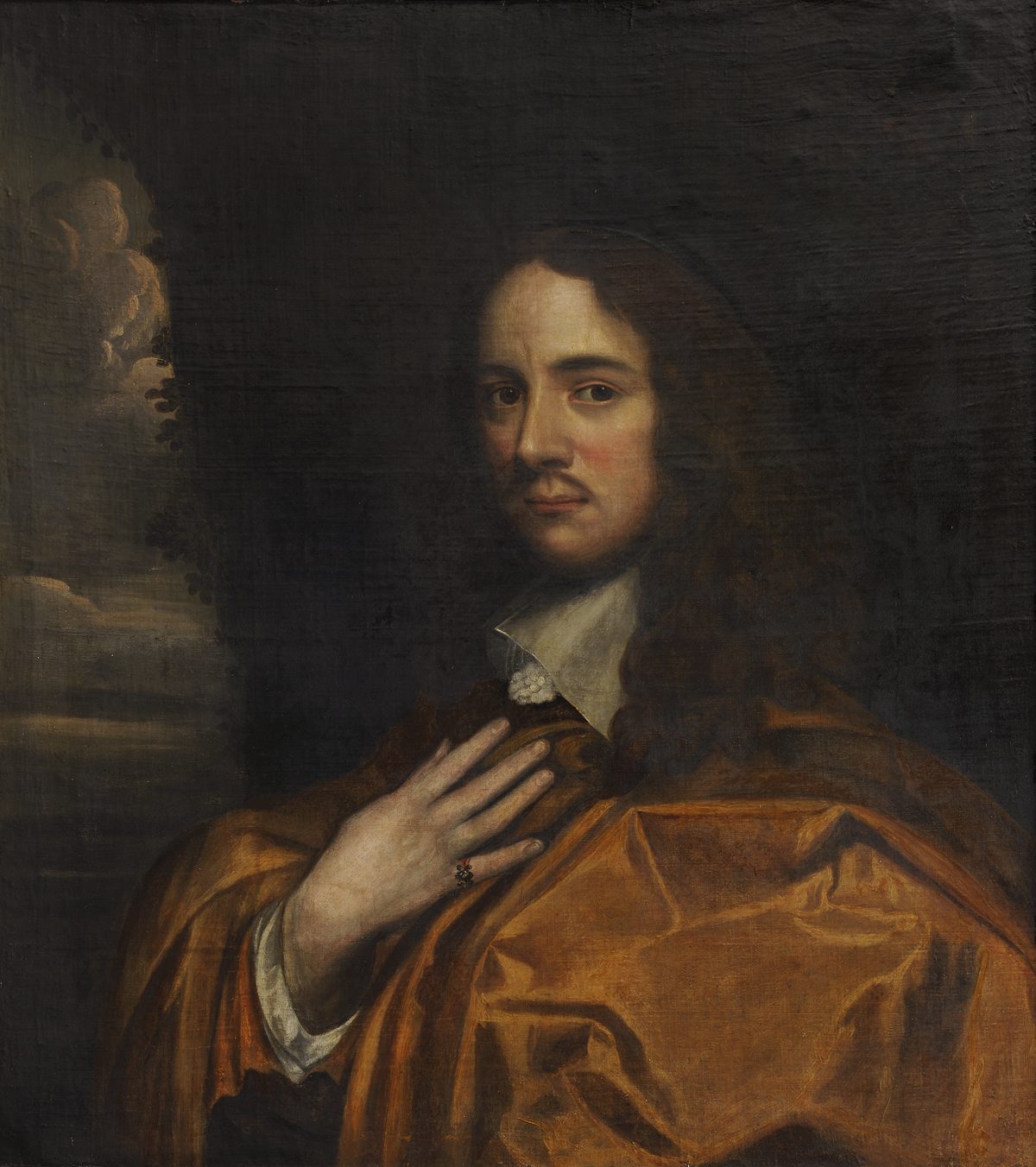
Poet, satirist, and MP for Hull, Andrew Marvell wrote some of English poetry’s wittiest lyrics — including “To His Coy Mistress” — yet his verse stayed in shadow for two centuries before its rediscovery.
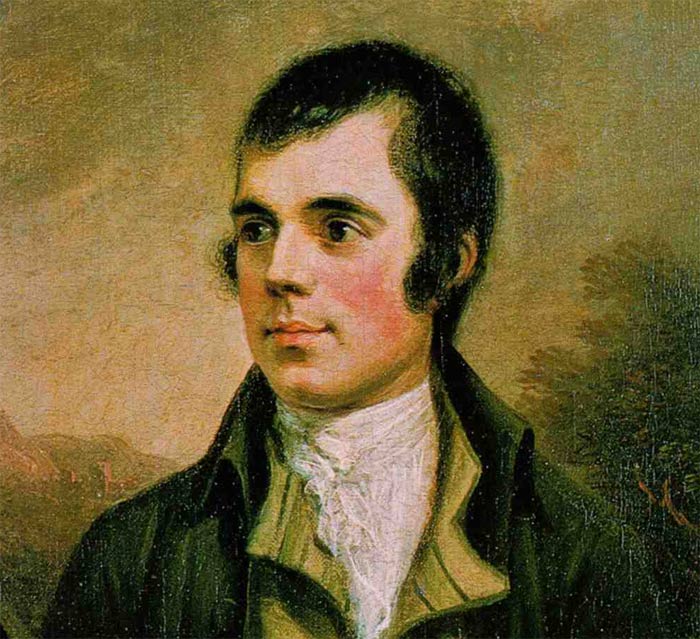
Scotland’s national poet, Robert Burns rose from a failing Ayrshire farm to literary fame, rescued the nation’s songs, and gave the world Auld Lang Syne before dying at thirty-seven.
Walt Whitman walks out of a star lecture to look up at the real night sky — eight lines weighing measured knowledge against pure wonder. Full poem and analysis.
John Keats’s sonnet captures the thrill of a great book opening like a new world — written overnight at twenty. Full poem, summary, and analysis.
Carl Sandburg’s six-line “Fog” (1916) likens a harbor mist to a cat that sits on silent haunches and then moves on — his most famous short poem and a touchstone of American imagism.
William Wordsworth’s “I Wandered Lonely as a Cloud” (1807), better known as “Daffodils” — full text plus summary, background, analysis of themes, form notes, notable lines, and a glossary of older terms.
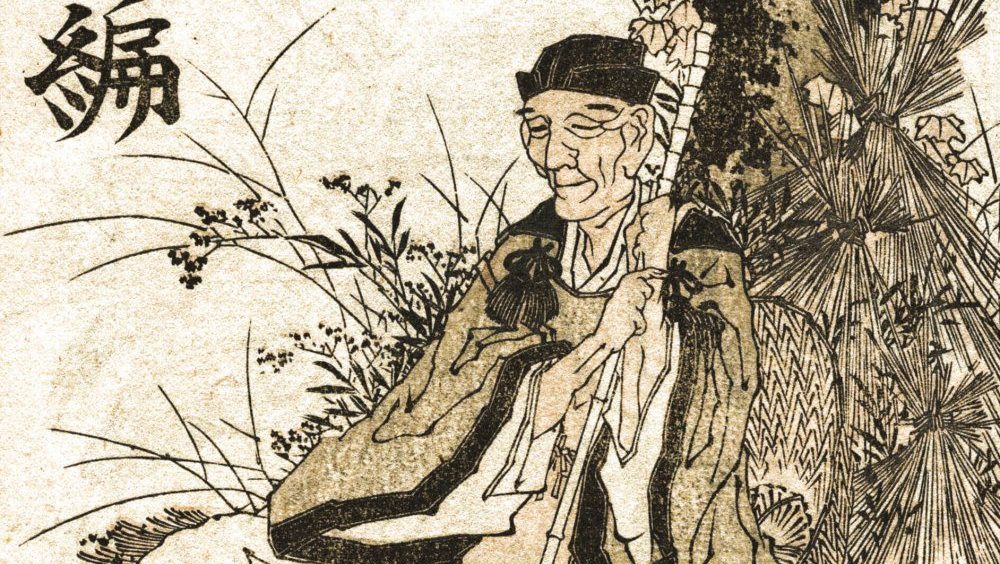
Japan’s supreme haiku master, Bashō turned solitary journeys on foot into poetry of startling clarity — from the famous frog and the old pond to The Narrow Road to the Deep North — finding eternity in the fleeting moment.
A bird eats a worm raw, then rows off through the air like an oar through silent water. Dickinson’s most exact nature poem watches a wild thing right up to the moment it flees.
Explore Wordsworth’s “Lines Written in Early Spring”, a reflective poem on nature, human folly, and moral insight. Discover its meaning, themes, and beauty.