Robert Herrick
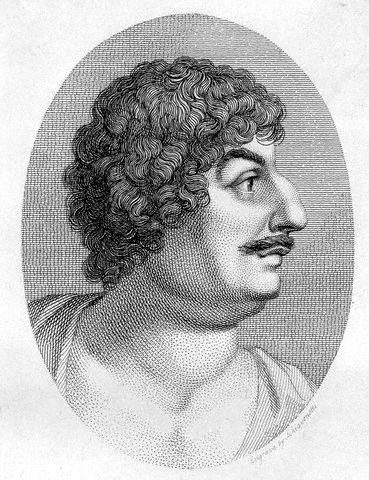
A country vicar and the most original of Ben Jonson’s followers, Robert Herrick packed his one book, Hesperides, with carpe diem lyrics like “Gather ye rosebuds while ye may” before fading from view for a century.
Theme
26 poems
A country vicar and the most original of Ben Jonson’s followers, Robert Herrick packed his one book, Hesperides, with carpe diem lyrics like “Gather ye rosebuds while ye may” before fading from view for a century.
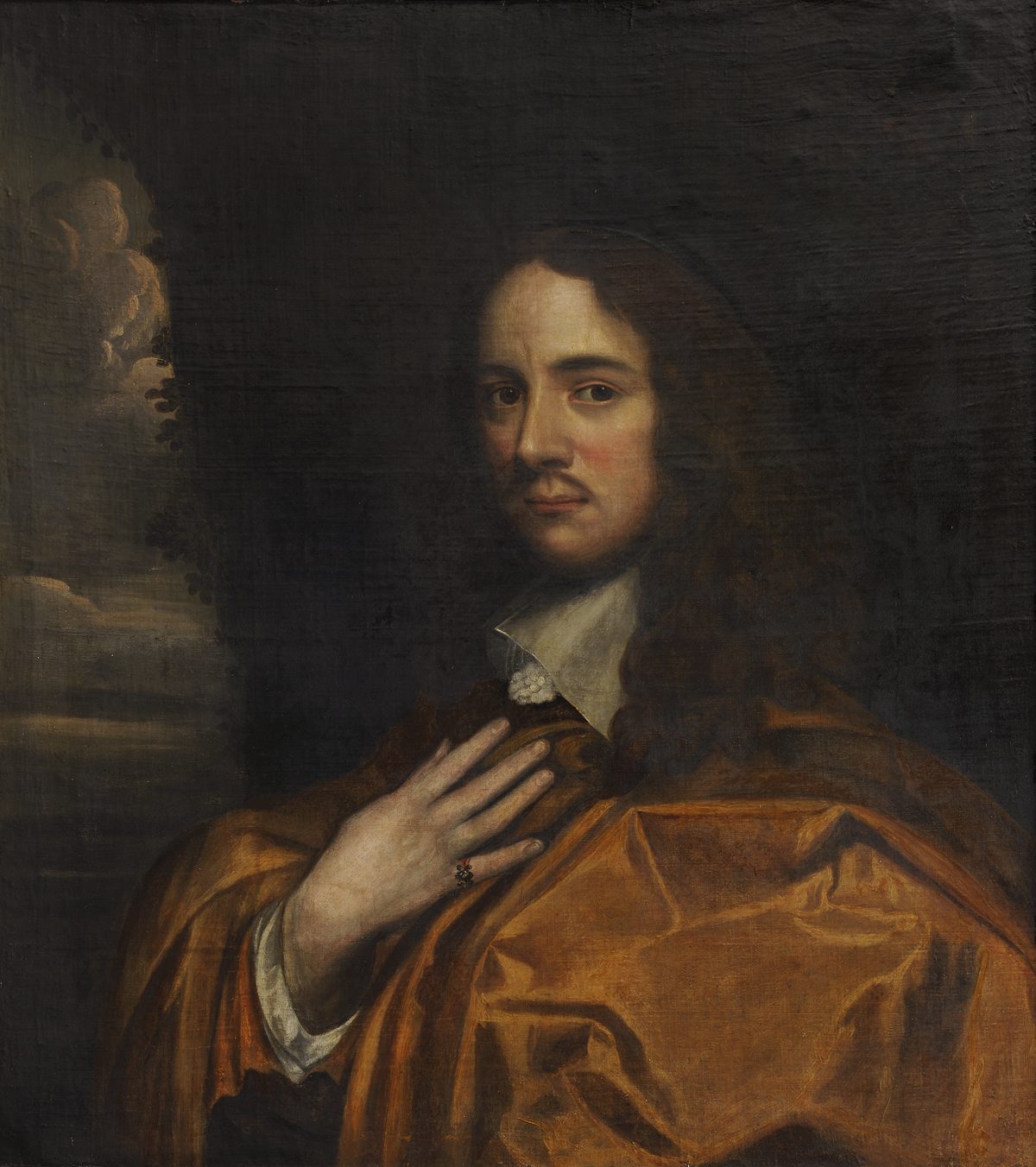
Poet, satirist, and MP for Hull, Andrew Marvell wrote some of English poetry’s wittiest lyrics — including “To His Coy Mistress” — yet his verse stayed in shadow for two centuries before its rediscovery.
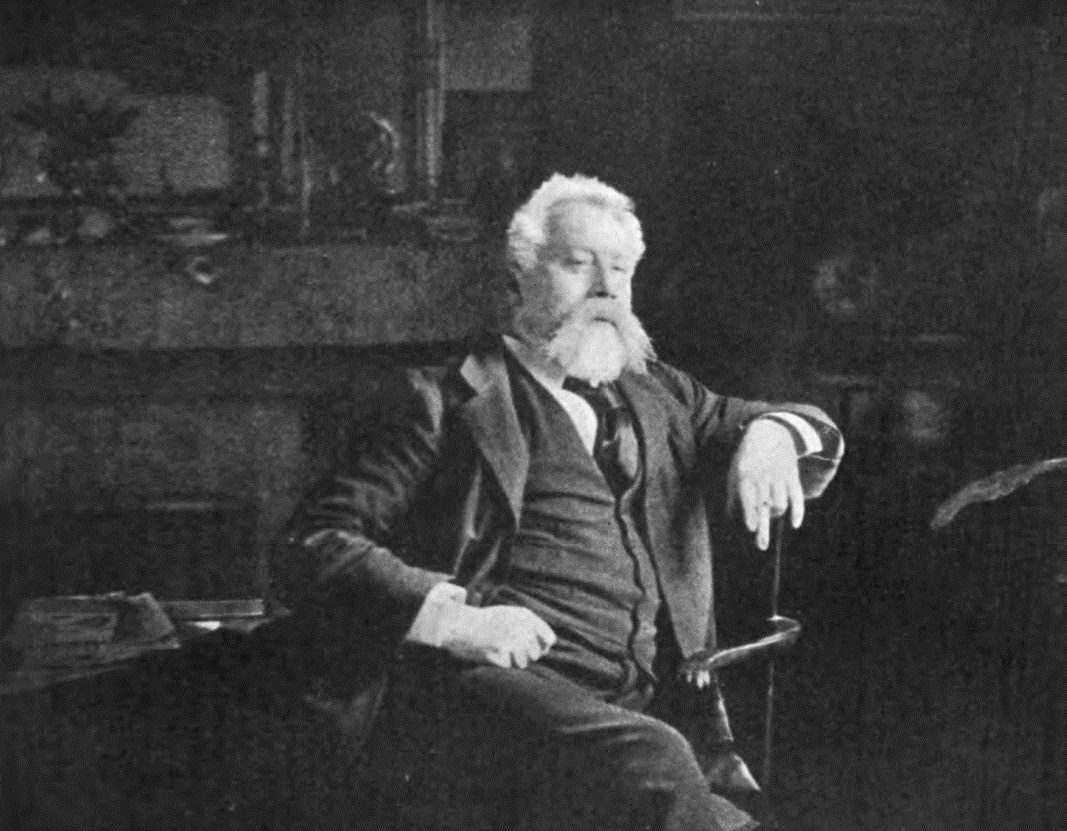
He lost a leg to tuberculosis, wrote Invictus from his sickbed, and edited the magazines that launched Kipling and Yeats. The defiant life of William Ernest Henley — poet, editor, and the model for Long John Silver.
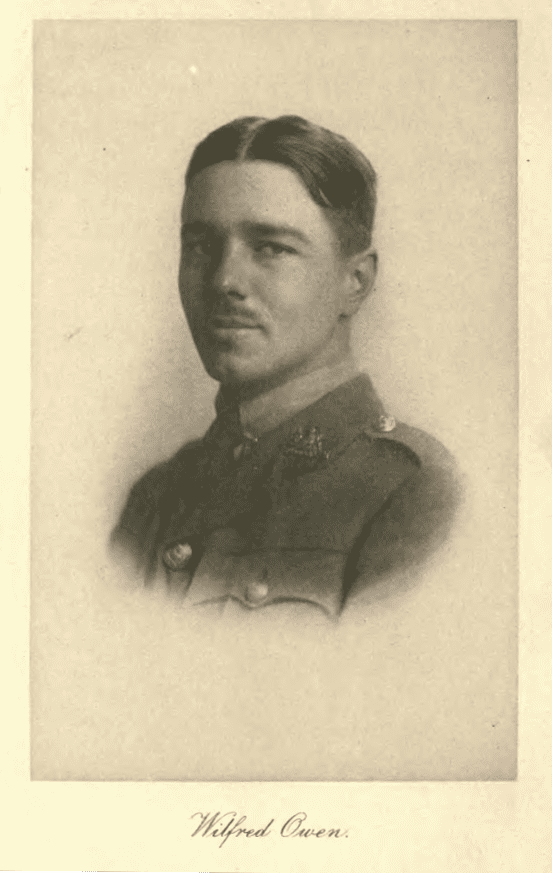
Killed a week before the Armistice at 25, Wilfred Owen left behind the most powerful poetry of the First World War — a look at his short life, his war, and the pity at the heart of his verse.
Wilfred Owen’s searing First World War poem forces the reader to witness a soldier’s death by gas — and calls patriotic glory “the old Lie.” Full poem and analysis.
John Keats’s sonnet captures the thrill of a great book opening like a new world — written overnight at twenty. Full poem, summary, and analysis.
One of Donne’s greatest love poems. Waking beside his beloved, the speaker calls everything before this love a childish sleep, and argues that their joined love makes one little room a whole world that cannot die.
A weary traveler asks whether the road climbs all the way to the end, and an unseen voice answers. Rossetti’s dialogue turns life into an uphill journey and death into a welcoming inn with beds for all who come.
Written when Rossetti was a teenager, this gentle “Song” asks a lover to skip the roses and sad songs — and grants him the freedom to remember her or forget. A serene, quietly radical meditation on death.
English poet Rupert Brooke (1887–1915) won fame for his idealistic 1914 war sonnets, above all “The Soldier,” and for his early death en route to Gallipoli. A look at his life, poems, style, and reputation.
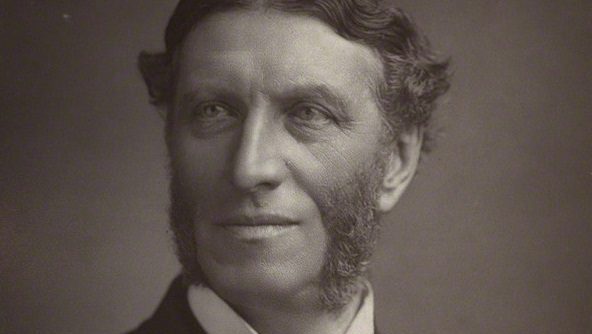
The Victorian poet and critic behind “Dover Beach”: a life spent bridging faith and doubt, Romantic feeling and classical restraint, poetry and the criticism that made him the “sage” of his age.
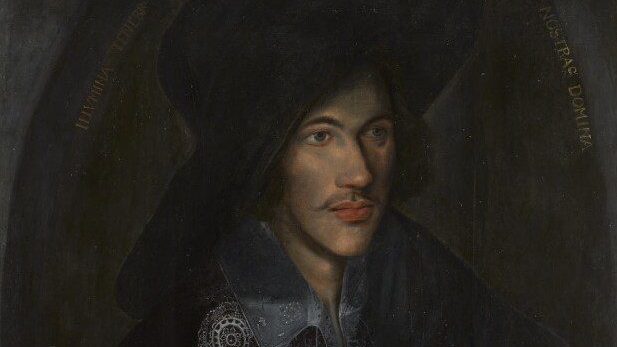
Foremost of the Metaphysical poets, John Donne fused intellect, passion, and faith — from audacious love lyrics to the Holy Sonnets and the sermons that made him Dean of St Paul’s.