A. E. Housman
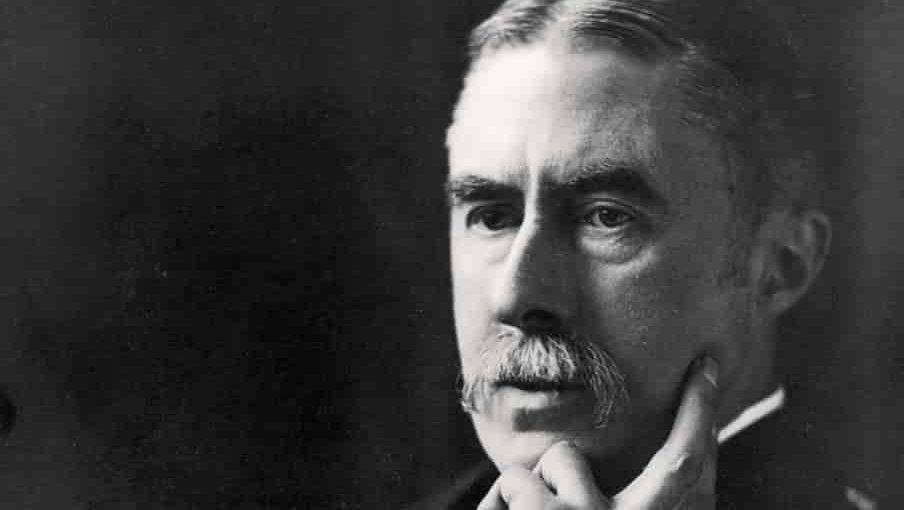
Classical scholar by day and lyric poet by vocation, Housman distilled youth, lost love, and mortality into the spare, unforgettable poems of A Shropshire Lad — beloved music made out of restraint and sorrow.
Theme
26 poems
Classical scholar by day and lyric poet by vocation, Housman distilled youth, lost love, and mortality into the spare, unforgettable poems of A Shropshire Lad — beloved music made out of restraint and sorrow.
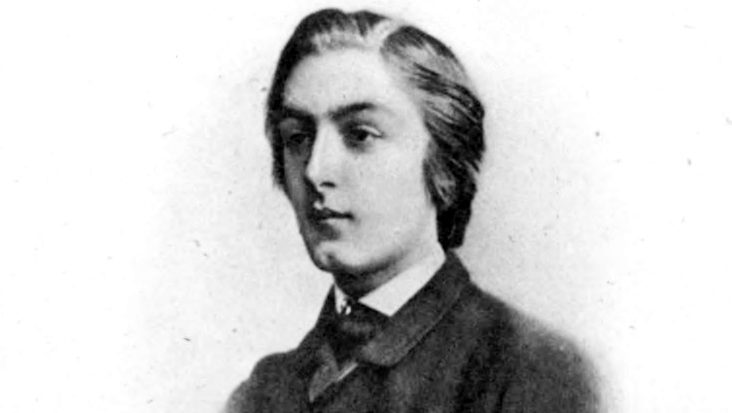
Gerard Manley Hopkins (1844–1889), a Jesuit priest and Victorian poet, wrote experimental, devotional nature poems that went unpublished in his lifetime and reshaped modern English verse after their 1918 release.
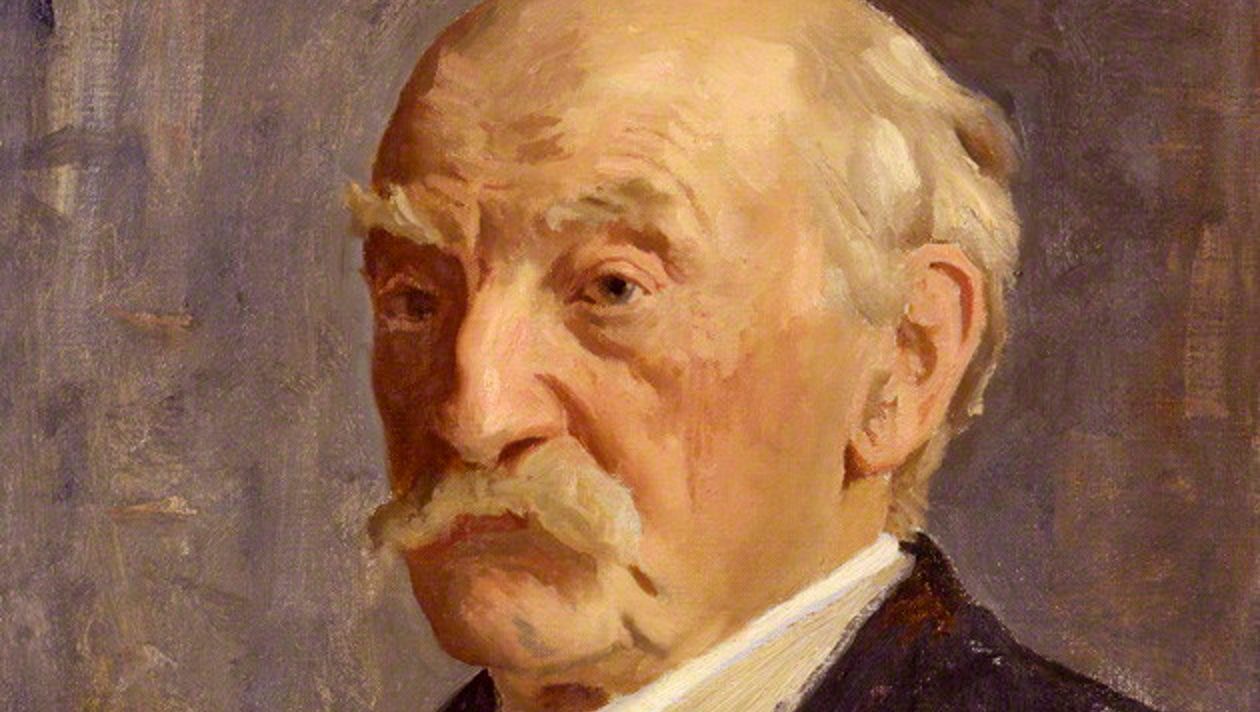
Famous first as a novelist, Hardy gave his last thirty years to the poetry he loved most — “The Darkling Thrush,” the haunting elegies for his wife Emma — facing time, chance, and loss with unflinching, tender honesty.
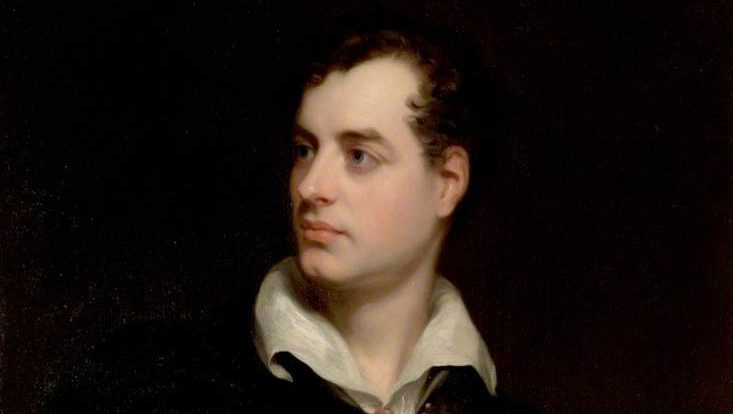
Poet, celebrity, exile, and creator of the Byronic hero: Byron lived as boldly as he wrote, from “She Walks in Beauty” to the satirical sweep of Don Juan, before dying at thirty-six in the cause of Greek freedom.
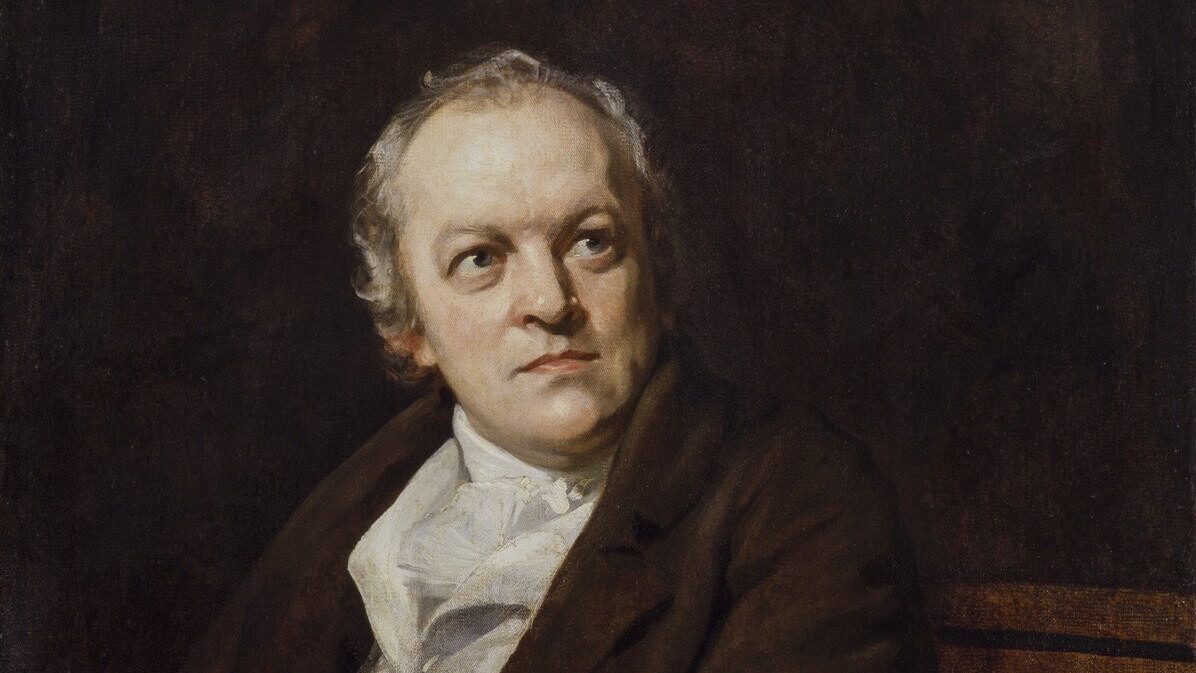
Poet, painter, and prophet, Blake hand-printed his own illuminated books and saw imagination as the deepest truth — from “The Tyger” to Songs of Innocence and of Experience. Dismissed in his day, now hailed as a singular genius.
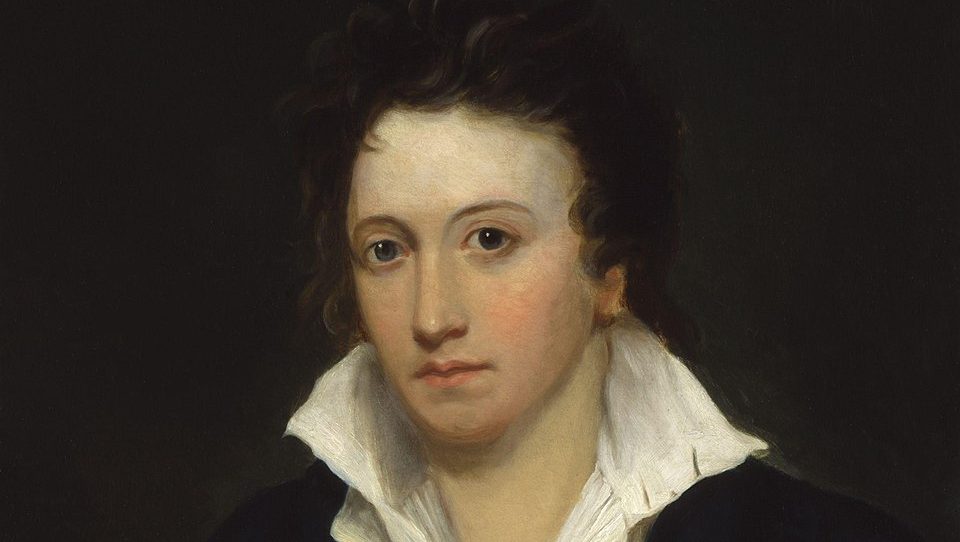
The most radical of the Romantics, dead at twenty-nine: Shelley fused lyrical beauty with political fire in “Ozymandias,” “Ode to the West Wind,” and Prometheus Unbound, certain that imagination could remake the world.
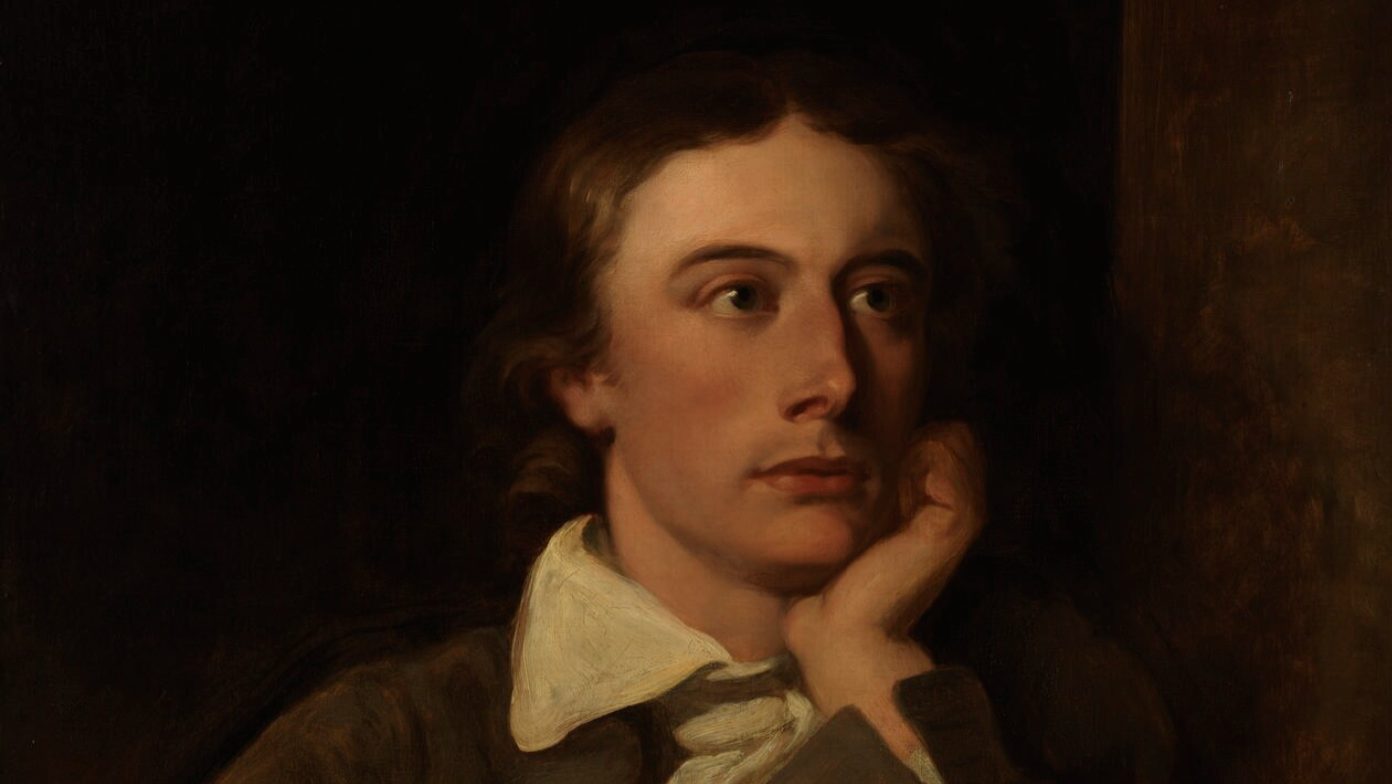
Dead at twenty-five after barely five years of writing, the English Romantic poured beauty and mortality into the great odes of 1819 — and became one of the most beloved poets in the language.
Lord Byron’s lyric of a secret love affair that ended in silence — and the grief that returns at the sound of a name. Full poem, summary, and analysis.
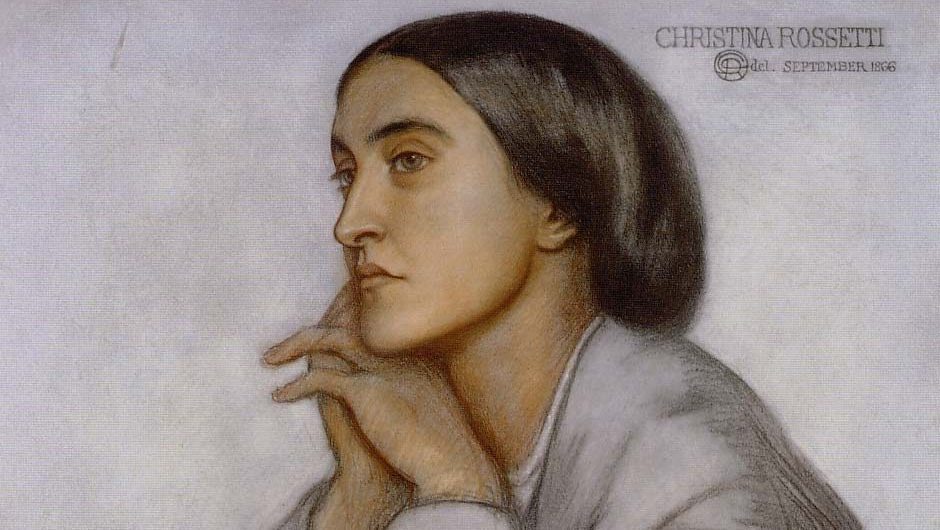
One of the finest lyric poets of the Victorian age: from the eerie fairy tale of “Goblin Market” to the carol “In the Bleak Midwinter,” Rossetti wove faith, love, and renunciation into unforgettable verse.
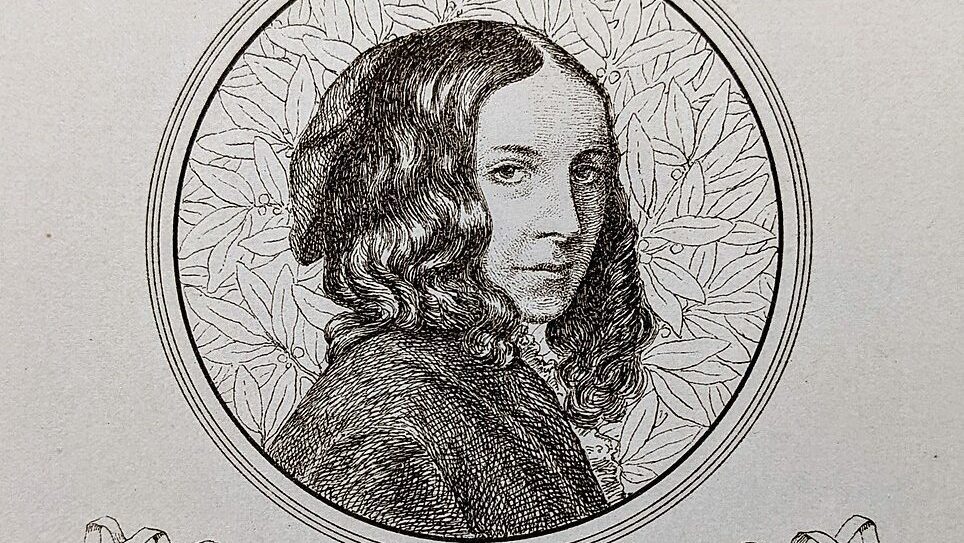
One of the most beloved Victorian poets: from “How do I love thee? Let me count the ways” to the feminist verse-novel Aurora Leigh, Barrett Browning fused passionate love with a fierce social conscience.
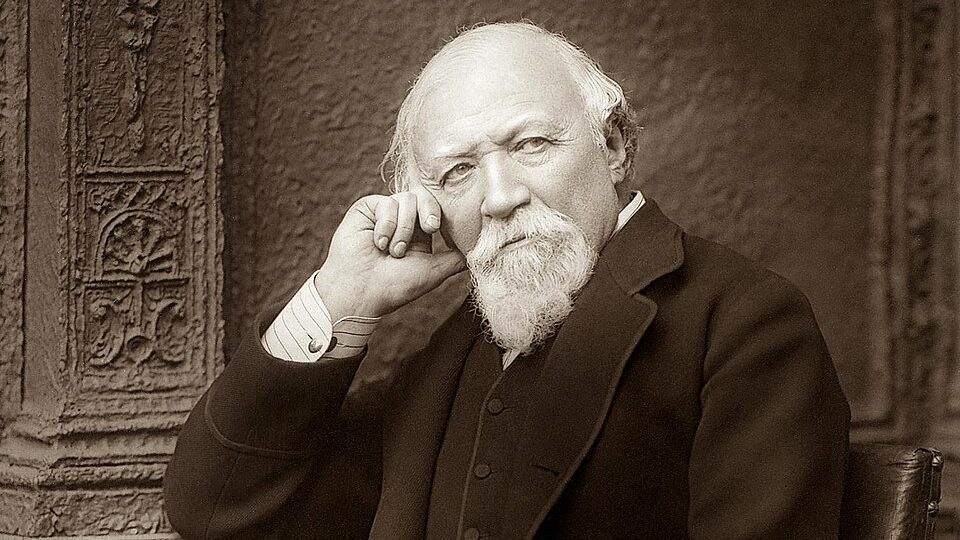
The Victorian master of the dramatic monologue: in “My Last Duchess,” “Porphyria’s Lover,” and The Ring and the Book, Browning let dukes, murderers, and saints expose their own minds — and pointed the way to modern poetry.
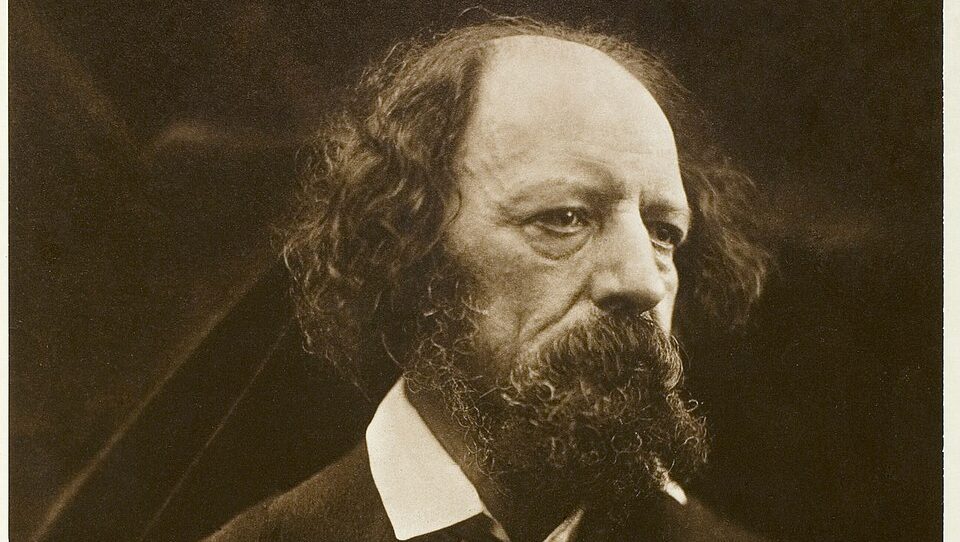
The defining poet of the Victorian age and its Poet Laureate for over forty years, Tennyson turned private grief and public occasion alike into some of the most musical, most quoted verse in English.