Era · 1900 – 1945
Modernist Poetry
Eliot, Pound, Yeats and Frost: fragmented forms, free verse and the modern city.
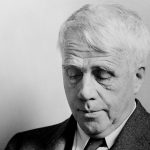 Frost
Frost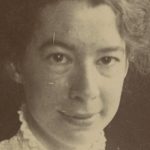 Teasdale
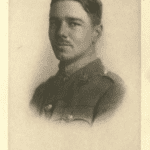 Owen
Owen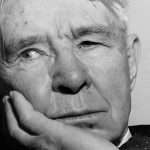 Sandburg
 Eliot
Eliot31 poems
Acquainted with the NightI have been one acquainted with the night.
Robert Frost
Sonnet
After Apple-PickingMy long two-pointed ladder’s sticking through a tree
Robert Frost
Lyric
Anthem for Doomed YouthWhat passing-bells for these who die as cattle?
Wilfred Owen
Sonnet
BirchesWhen I see birches bend to left and right
Robert Frost
Blueberries“You ought to have seen what I saw on my way
Robert Frost
ChicagoHog Butcher for the World,
Carl Sandburg
DesignI found a dimpled spider, fat and white,
Robert Frost
Sonnet
Do Not Go Gentle Into That Good Night
Villanelle
Dulce et Decorum EstBent double, like old beggars under sacks,
Wilfred Owen
Fire and IceSome say the world will end in fire,
Robert Frost
Lyric
FogThe fog comes
Carl Sandburg
For the FallenWith proud thanksgiving, a mother for her children,
Laurence Binyon
Elegy
GrassPile the bodies high at Austerlitz and Waterloo.
Carl Sandburg
I Am Not YoursI am not yours, not lost in you,
Sara Teasdale
Lyric
If—If you can keep your head when all about you
Rudyard Kipling
Journey of the Magi‘A cold coming we had of it,
T. S. Eliot
Dramatic Monologue
Mending WallSomething there is that doesn’t love a wall,
Robert Frost
Blank Verse
Nothing Gold Can StayNature’s first green is gold,
Robert Frost
Lyric
Stopping by Woods on a Snowy EveningWhose woods these are I think I know.
Robert Frost
Lyric
Strange MeetingIt seemed that out of the battle I escaped
Wilfred Owen
The KissI hoped that he would love me,
Sara Teasdale
Lyric
The LookStrephon kissed me in the spring,
Sara Teasdale
Lyric
The Love Song of J. Alfred PrufrockS’io credesse che mia risposta fosse
T. S. Eliot
Dramatic Monologue
The PastureI'm going out to clean the pasture spring;
Robert Frost
Lyric
The Red Wheelbarrowso much depends
William Carlos Williams
Free Verse
The Road Not TakenTwo roads diverged in a yellow wood,
Robert Frost
Lyric
The Second ComingTurning and turning in the widening gyre
W. B. Yeats
Blank Verse
The SoldierIf I should die, think only this of me:
Rupert Brooke
Sonnet
There Will Come Soft RainsThere will come soft rains and the smell of the ground,
Sara Teasdale
Lyric
What Lips My Lips Have Kissed, and Where, and WhyWhat lips my lips have kissed, and where, and why,
Edna St. Vincent Millay
Sonnet
When I Heard the Learn’d AstronomerWhen I heard the learn'd astronomer,
Walt Whitman
No poems match.