John McCrae
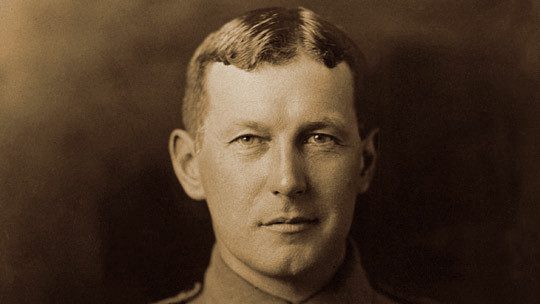
A Canadian army surgeon, John McCrae wrote In Flanders Fields after a friend’s death at Ypres — the poem that made the poppy a symbol of remembrance. His life, his war, and his legacy.
Theme
9 poems
A Canadian army surgeon, John McCrae wrote In Flanders Fields after a friend’s death at Ypres — the poem that made the poppy a symbol of remembrance. His life, his war, and his legacy.
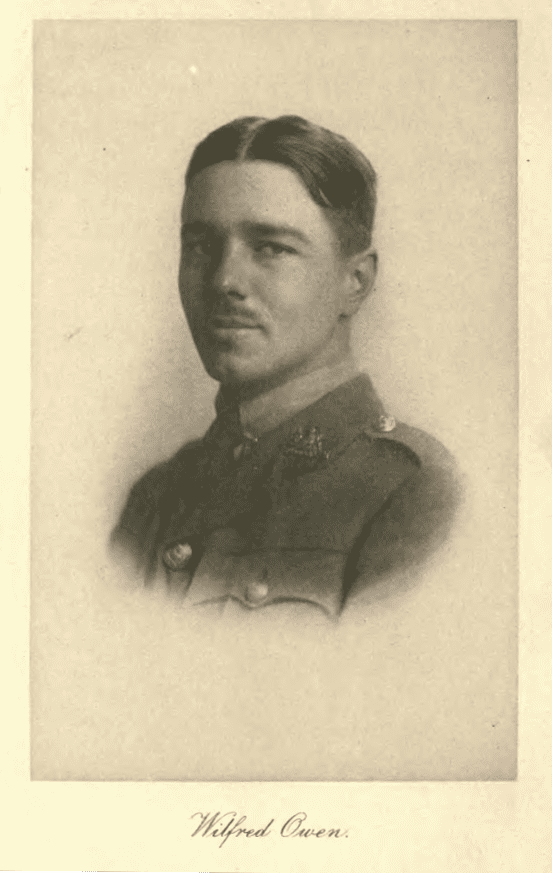
Killed a week before the Armistice at 25, Wilfred Owen left behind the most powerful poetry of the First World War — a look at his short life, his war, and the pity at the heart of his verse.
W. B. Yeats’s apocalyptic vision of a civilization spinning out of control — “things fall apart; the centre cannot hold.” Full poem, summary, and analysis.
Wilfred Owen’s searing First World War poem forces the reader to witness a soldier’s death by gas — and calls patriotic glory “the old Lie.” Full poem and analysis.
In Carl Sandburg’s “Grass” (1918) the grass itself speaks, burying the dead of Austerlitz, Gettysburg, and Verdun until travelers forget the battles ever happened — a quiet, chilling anti-war poem.
English poet Rupert Brooke (1887–1915) won fame for his idealistic 1914 war sonnets, above all “The Soldier,” and for his early death en route to Gallipoli. A look at his life, poems, style, and reputation.
Facing death in the First World War, a soldier imagines the foreign field where he might lie becoming “for ever England.” A reading of Brooke’s 1914 sonnet: its patriotism, form, and idealised vision of home.
It’s the poem of the poppy, recited at every Remembrance Day — but “In Flanders Fields” is not the gentle elegy its reputation suggests. After two stanzas of larks and poppies and the quiet voice of the dead, McCrae’s final stanza pivots into something far harder: a demand from the fallen that the living “take up our quarrel” and keep fighting. The most beloved remembrance poem in English is also a war poem, and that tension is the source of both its power and its long controversy.
Written as World War I raged, Sara Teasdale’s twelve-line lyric pictures nature carrying on in perfect indifference to human catastrophe — and asks how little our extinction would cost the spring.