Grass
In Carl Sandburg’s “Grass” (1918) the grass itself speaks, burying the dead of Austerlitz, Gettysburg, and Verdun until travelers forget the battles ever happened — a quiet, chilling anti-war poem.
Theme
4 poems
In Carl Sandburg’s “Grass” (1918) the grass itself speaks, burying the dead of Austerlitz, Gettysburg, and Verdun until travelers forget the battles ever happened — a quiet, chilling anti-war poem.
Carl Sandburg’s six-line “Fog” (1916) likens a harbor mist to a cat that sits on silent haunches and then moves on — his most famous short poem and a touchstone of American imagism.
Carl Sandburg’s 1914 free-verse portrait of his adopted city hears every accusation against Chicago, grants them, and answers with fierce pride in its labor and rough, unbeatable vitality.
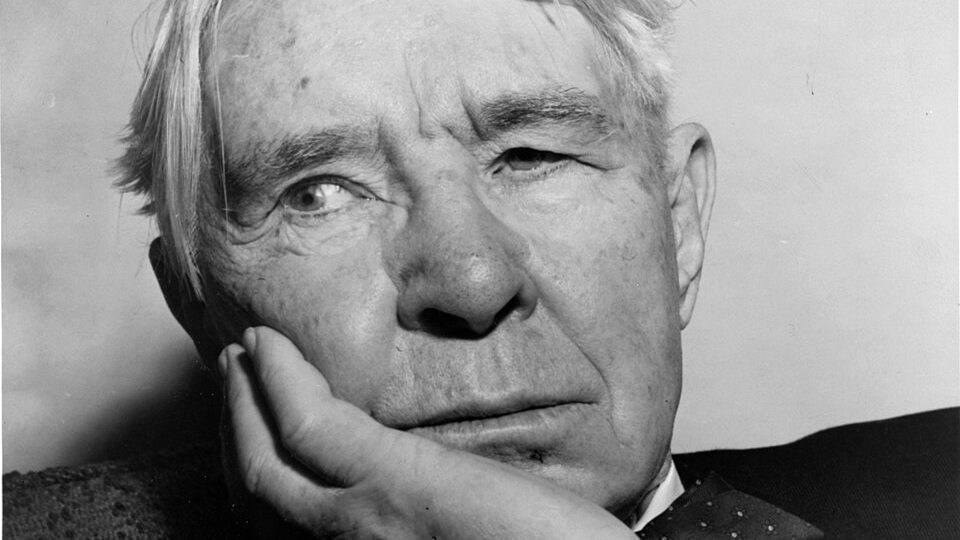
Carl Sandburg (1878–1967), the Pulitzer-winning poet of working-class America, made free verse a hymn to ordinary people — from “Chicago” to his monumental life of Lincoln.