Daffodils (I Wandered Lonely as a Cloud)
William Wordsworth’s “I Wandered Lonely as a Cloud” (1807), better known as “Daffodils” — full text plus summary, background, analysis of themes, form notes, notable lines, and a glossary of older terms.
Theme
5 poems
William Wordsworth’s “I Wandered Lonely as a Cloud” (1807), better known as “Daffodils” — full text plus summary, background, analysis of themes, form notes, notable lines, and a glossary of older terms.
Dickinson’s twelve-line ars poetica builds poetry as a house with more windows than prose and the whole sky for a roof — then spreads two narrow hands wide to gather Paradise.
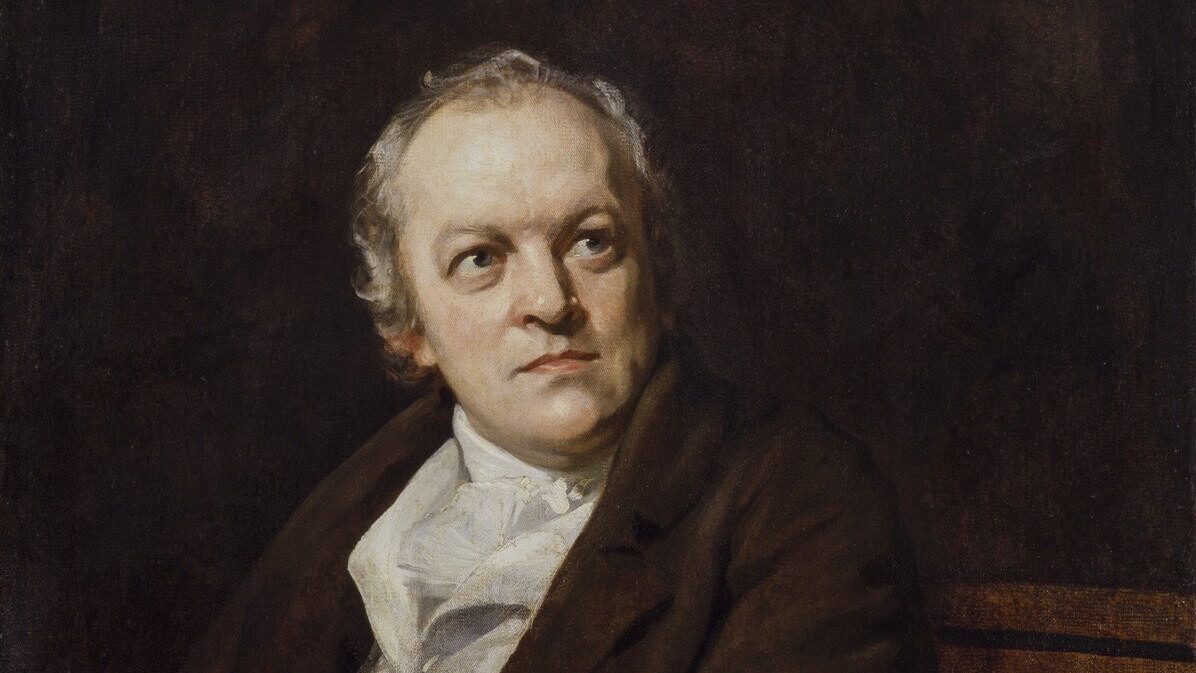
Poet, painter, and prophet, Blake hand-printed his own illuminated books and saw imagination as the deepest truth — from “The Tyger” to Songs of Innocence and of Experience. Dismissed in his day, now hailed as a singular genius.
Robert Frost’s Birches turns ice-bent trees and a boy’s swinging game into a meditation on imagination, escape, and return, with a close reading of its blank verse and its hope that earth is the right place for love.
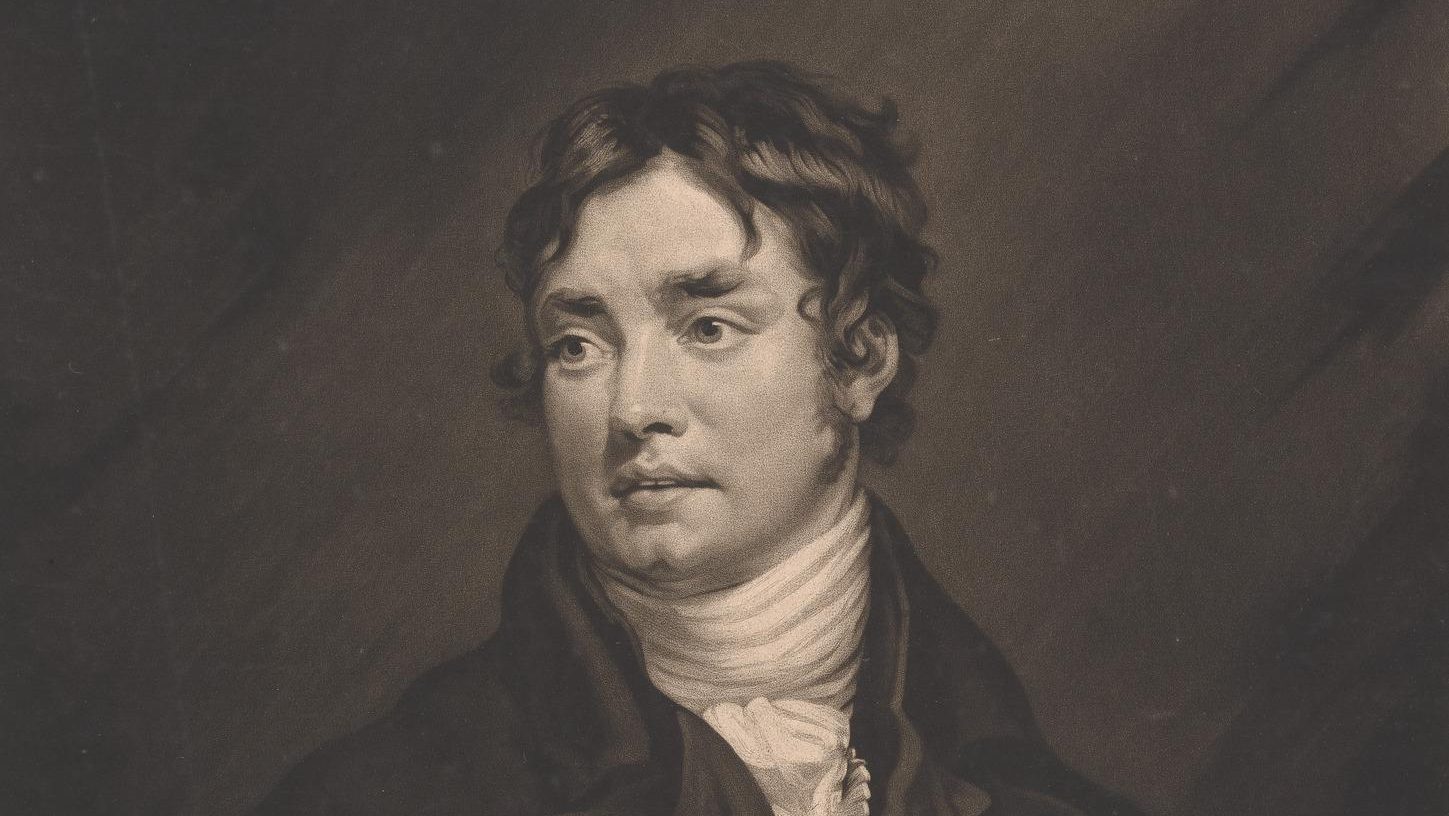
Co-founder of English Romanticism, Coleridge gave us the haunted “Rime of the Ancient Mariner,” the opium dream of “Kubla Khan,” and a theory of imagination that shaped criticism for a century.