QUICK FACTS
Born: October 21, 1772 · Ottery St Mary, Devon, England
Died: July 25, 1834 · Highgate, London, England (aged 61)
Era: Romanticism
Occupation: Poet; critic; philosopher
Education: Jesus College, Cambridge
Known for: “The Rime of the Ancient Mariner,” “Kubla Khan,” Biographia Literaria
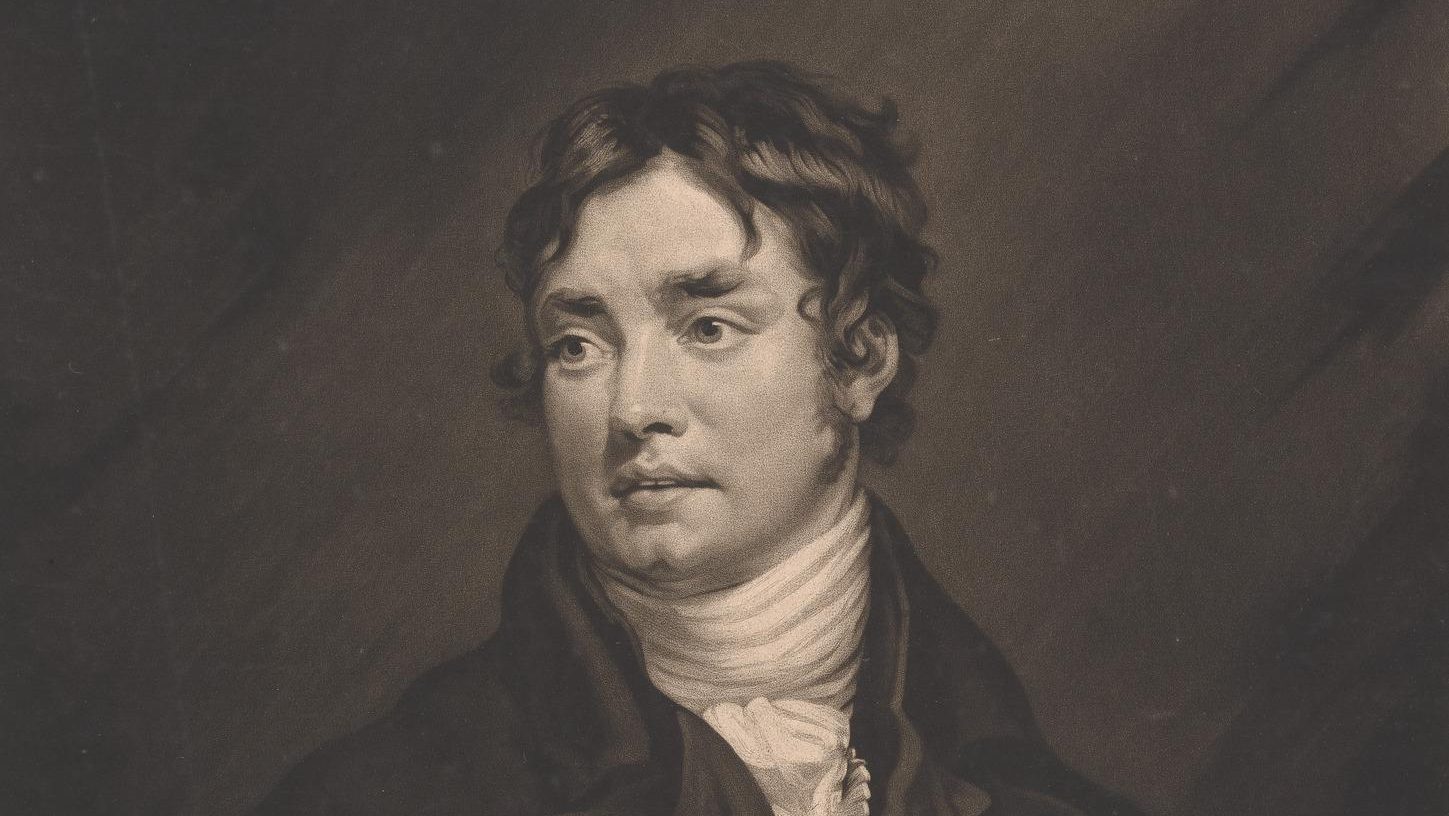
Samuel Taylor Coleridge (1772–1834) was an English poet, critic, and philosopher — one of the founders of the Romantic movement and one of its most original minds. With William Wordsworth he launched English Romanticism, and in a handful of visionary poems he opened English verse to dream, the supernatural, and the workings of the unconscious.
Coleridge wrote relatively little great poetry, but what he wrote is unforgettable: the haunted sea voyage of “The Rime of the Ancient Mariner,” the opium-dream fragment of “Kubla Khan.” As a critic and thinker — above all in Biographia Literaria — he shaped how the generations after him understood imagination itself.
On This Page: Early Life and Education · Literary Career and Major Works · Style and Themes · Later Life and Legacy · Notable Poems · Frequently Asked Questions · Related Poets
Early Life and Education
Coleridge was born on October 21, 1772, in the Devon town of Ottery St Mary, the youngest of a clergyman’s ten children.
A precocious, dreamy boy, he was sent after his father’s death to Christ’s Hospital in London, and from there to Jesus College, Cambridge. Brilliant but restless, he left without a degree, swept up in the radical idealism of the age.
With his friend Robert Southey, he hatched a scheme for “Pantisocracy” — a utopian community to be founded in America on principles of equality. The plan came to nothing, but it captured the hopeful, visionary cast of mind that would define his life.
Literary Career and Major Works
Coleridge’s great year was bound up with a great friendship. His move to the West Country brought him close to William Wordsworth, and out of that intense collaboration came Lyrical Ballads (1798) — the book usually taken to mark the start of English Romanticism.
Coleridge’s contributions included “The Rime of the Ancient Mariner,” his masterpiece, a spellbinding ballad of crime, punishment, and penance at sea. To the same brief, astonishing period belong “Kubla Khan,” the famous fragment said to have come to him in an opium dream, and the unfinished gothic romance “Christabel.”
His later energies turned increasingly to criticism and philosophy, culminating in Biographia Literaria (1817), where he drew his influential distinction between mechanical “fancy” and the truly creative “imagination.”
Style and Themes
Coleridge brought dream and intellect together as no English poet had before.
His finest poems are built from dreamlike imagery and a hypnotic music, and they reach into territory other Romantics avoided: guilt, the supernatural, the hidden movements of the mind. He fused Christian belief with philosophical and psychological inquiry, so that a poem can feel at once like a sermon, a nightmare, and a study of the soul.
It was Coleridge who coined the phrase “willing suspension of disbelief” to describe what poetry asks of its readers — and his ideas about symbol and imagination shaped literary thought for more than a century.
Later Life and Legacy
Coleridge’s later life was a long struggle against his own frailty.
An addiction to opium — begun as relief from chronic pain — shadowed his middle and later years, straining his friendships and his health and leaving many projects unfinished. Yet he never stopped writing, lecturing, and inspiring younger writers; his home in Highgate, where he lived under a doctor’s care, became a famous gathering place for disciples who came to hear him talk. He died there in 1834.
His legacy is double: a small body of incomparable poems, and a body of criticism and philosophy so original that writers from the Victorians to T. S. Eliot looked back to him as a master of poetic thought.
Notable Poems
These are the Coleridge poems most worth starting with:
- The Rime of the Ancient Mariner: His masterpiece — a hypnotic ballad of a sailor who kills an albatross and is doomed to wander, telling his tale of guilt and penance.
- Kubla Khan: The celebrated fragment of an opium dream, conjuring the pleasure-dome of Xanadu in lush, incantatory verse.
- Frost at Midnight: A tender meditation, written by a quiet winter fire, on childhood, nature, and hopes for his sleeping infant son.
- Christabel: An unfinished gothic romance of innocence and sinister enchantment, famous for its eerie atmosphere and supple meter.
- Dejection: An Ode: A searching poem on the loss of joy and imaginative power, written out of personal despair.
- This Lime-Tree Bower My Prison: A conversation poem in which confinement in a garden bower opens into gratitude and imaginative release.
Frequently Asked Questions
Quick answers to the questions readers most often ask about Samuel Taylor Coleridge.
What is Samuel Taylor Coleridge best known for?
His visionary Romantic poems “The Rime of the Ancient Mariner” and “Kubla Khan,” for co-founding English Romanticism with Wordsworth in Lyrical Ballads, and for his criticism in Biographia Literaria.
What is “Kubla Khan” about?
A dreamlike, unfinished poem describing the pleasure-dome of the Mongol emperor Kubla Khan in Xanadu. Coleridge claimed it came to him whole in an opium-induced sleep and was largely lost when a visitor interrupted him.
What is the “willing suspension of disbelief”?
A famous phrase Coleridge coined in Biographia Literaria for the reader’s agreement to accept the fantastic or supernatural in a poem or story long enough to be moved by it.
Did Coleridge use opium?
Yes. He became addicted to opium, taken as laudanum and originally used for pain relief; the addiction troubled his health, relationships, and work for much of his later life.
What are the main themes in Coleridge’s poetry?
Imagination and creativity, the supernatural, guilt and redemption, nature, and the mysterious workings of the unconscious mind.
Related Poets
Readers who admire Coleridge often turn to these poets:
- William Wordsworth: His closest collaborator, co-author of Lyrical Ballads and joint founder of English Romanticism.
- Robert Southey: His early friend and fellow dreamer of “Pantisocracy,” later Poet Laureate.
- Percy Bysshe Shelley: A second-generation Romantic whose visionary idealism built on the ground Coleridge broke.
- Lord Byron: A younger Romantic who admired “Christabel” and helped bring Coleridge’s later work into print.
- William Blake: A fellow visionary of the Romantic age, equally drawn to symbol, prophecy, and the imagination.