Theme
Poems About Immortality
Classic poems about immortality, each in full with a plain summary and an original analysis.
 Donne
Donne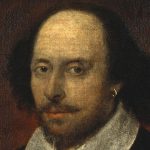 Shakespeare
 Dickinson
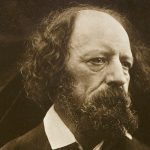 Tennyson
6 poems
Because I Could Not Stop for DeathBecause I could not stop for Death,
Emily Dickinson
Lyric
Death Be Not Proud (Holy Sonnet 10)Death, be not proud, though some have called thee
John Donne
Sonnet
Sonnet 18Shall I compare thee to a summer’s day?
William Shakespeare
Sonnet
Sonnet 9Is it for fear to wet a widow’s eye,
William Shakespeare
Sonnet
The Good-MorrowI wonder, by my troth, what thou and I
John Donne
Lyric
TithonusThe woods decay, the woods decay and fall,
Alfred Tennyson
No poems match.