My Heart Leaps Up
Explore Wordsworth’s “My Heart Leaps Up”, a short poem celebrating the joy of nature, continuity from childhood to adulthood, and the enduring power of wonder.
Theme
42 poems
Explore Wordsworth’s “My Heart Leaps Up”, a short poem celebrating the joy of nature, continuity from childhood to adulthood, and the enduring power of wonder.
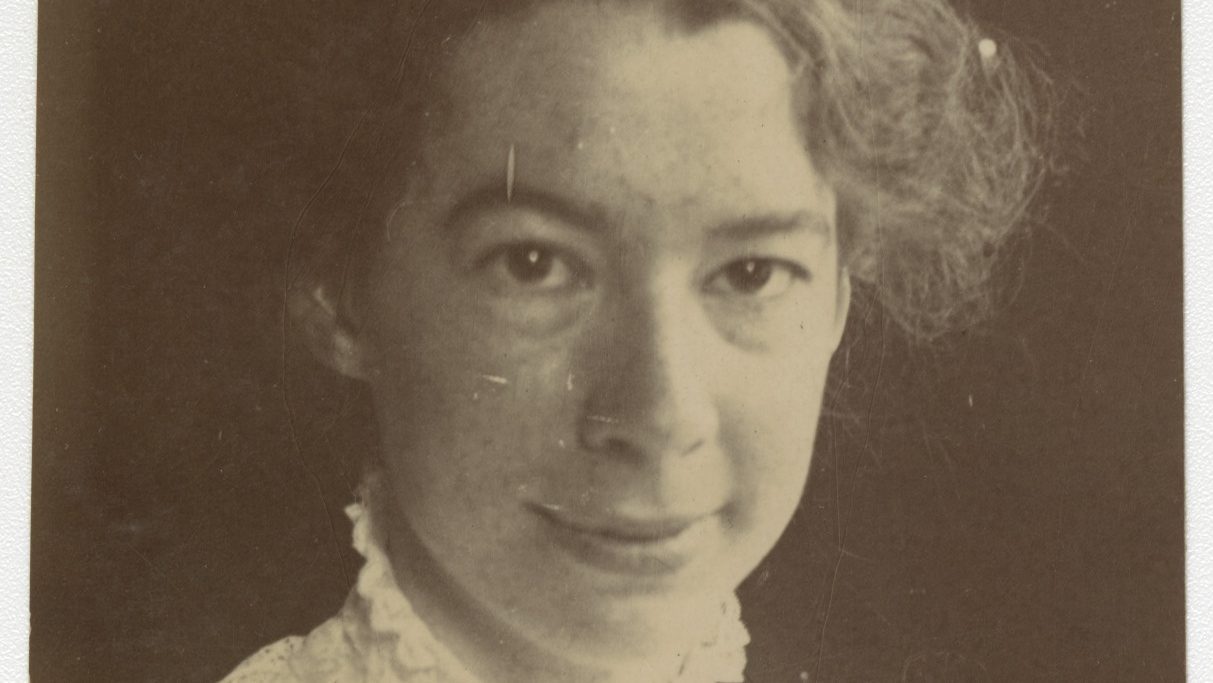
An American master of the short lyric, Teasdale won the prize that became the Pulitzer and wrote some of the most quietly haunting poems of her age — from “There Will Come Soft Rains” to “Barter” — on love, beauty, and loss.
Written as World War I raged, Sara Teasdale’s twelve-line lyric pictures nature carrying on in perfect indifference to human catastrophe — and asks how little our extinction would cost the spring.
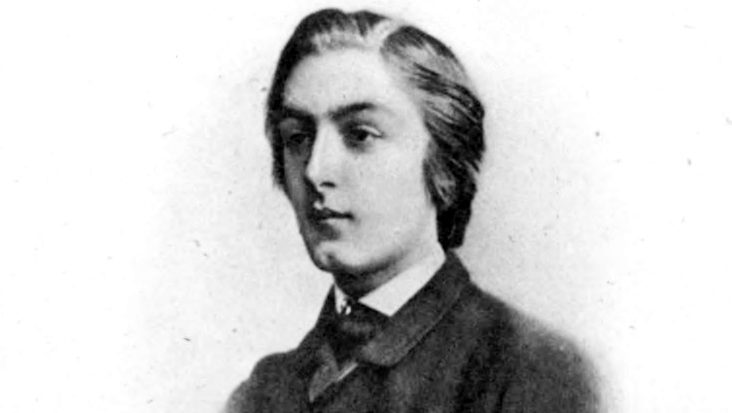
Gerard Manley Hopkins (1844–1889), a Jesuit priest and Victorian poet, wrote experimental, devotional nature poems that went unpublished in his lifetime and reshaped modern English verse after their 1918 release.
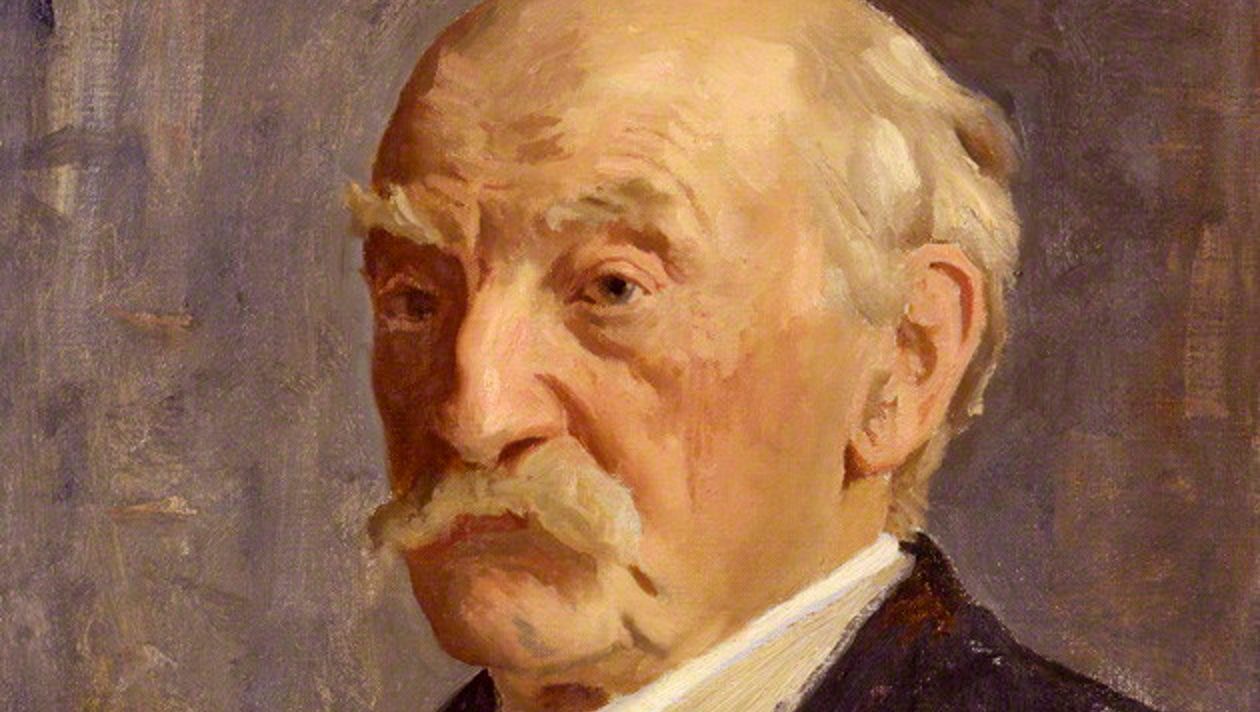
Famous first as a novelist, Hardy gave his last thirty years to the poetry he loved most — “The Darkling Thrush,” the haunting elegies for his wife Emma — facing time, chance, and loss with unflinching, tender honesty.
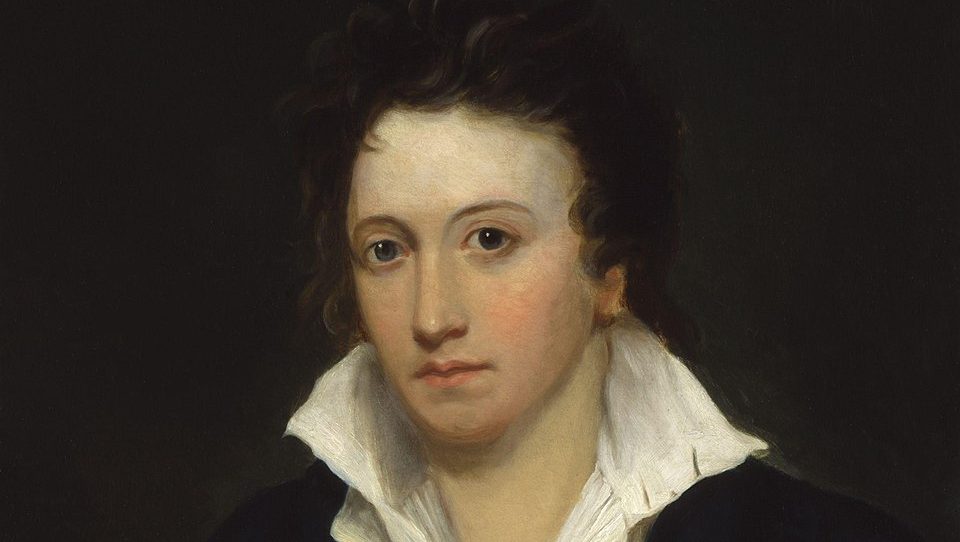
The most radical of the Romantics, dead at twenty-nine: Shelley fused lyrical beauty with political fire in “Ozymandias,” “Ode to the West Wind,” and Prometheus Unbound, certain that imagination could remake the world.
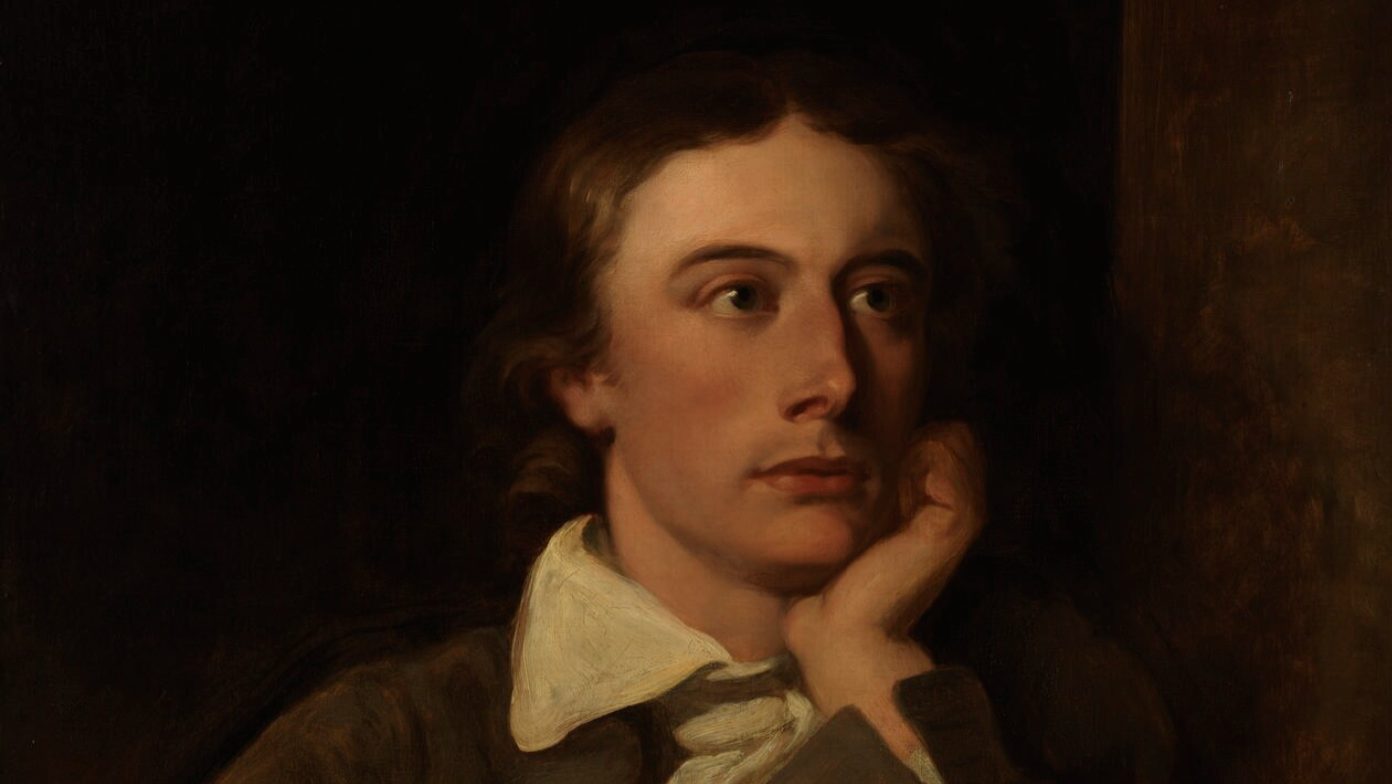
Dead at twenty-five after barely five years of writing, the English Romantic poured beauty and mortality into the great odes of 1819 — and became one of the most beloved poets in the language.
A bracing sonnet against distraction and commerce — Wordsworth pleads for a restored capacity to see the world as sacred.
Everything about “To Autumn” says it should be sad — the end of the year, the coming of winter, written by a man who was dying. Instead Keats writes the least mournful of all autumn poems. He deliberately turns away from elegy (“Think not of them, thou hast thy music too”), erases himself almost entirely from the poem, and renders even the approach of winter as fullness and song.
Exile becomes self-fashioning in Byron’s Canto III, where Spenserian stanzas join spectacle to inward pilgrimage.
An apocalyptic lyric from 1816, “Darkness” imagines a sunless world — grandeur without comfort, entropy without appeal.
Walt Whitman’s vast act of self-celebration, where a single “I” absorbs the whole world and waits “somewhere” for every future reader. Selected text and analysis.