The Bells
A sound-symphony of life turning to alarm and elegy—an analysis of Poe’s metrics, refrain, and the psychology of noise.
Theme
22 poems
A sound-symphony of life turning to alarm and elegy—an analysis of Poe’s metrics, refrain, and the psychology of noise.
Everyone quotes “rage, rage” as pure defiance. But this is a son begging his dying father not to surrender, and the villanelle’s helpless circling enacts the very death it rages against.
The same gesture carries two meanings: shouldered in victory, shouldered to the grave. Housman’s elegy makes a case for early death it doesn’t quite trust.
It sounds like “remember me forever.” But Rossetti’s sonnet talks itself out of the demand, ending by preferring that you forget and smile than remember and be sad.
Poe’s last poem sounds like the tenderest of love songs. Look closer and its speaker blames Heaven for murder and sleeps each night in a tomb — a beautiful elegy that is also a study in grief turned to obsession.
Death is polite, the ride is unhurried, and the speaker has been dead for centuries by the time she tells the story. Dickinson’s most famous poem is calmer than it has any right to be.
It’s the poem everyone knows by Whitman and the one he came to resent: a rhymed, sentimental elegy for the assassinated Lincoln from the man who invented American free verse. Here’s why it works, and what it cost him.
Robert Frost’s Stopping by Woods on a Snowy Evening turns a quiet roadside halt into a meditation on beauty, duty, and the deep pull of rest, with a close reading of its imagery, chain rhyme, and famous closing repetition.

Orphaned, impoverished, and haunted by loss, the American master of the macabre gave us “The Raven,” the detective story, and a body of verse and tales that still defines Gothic literature.
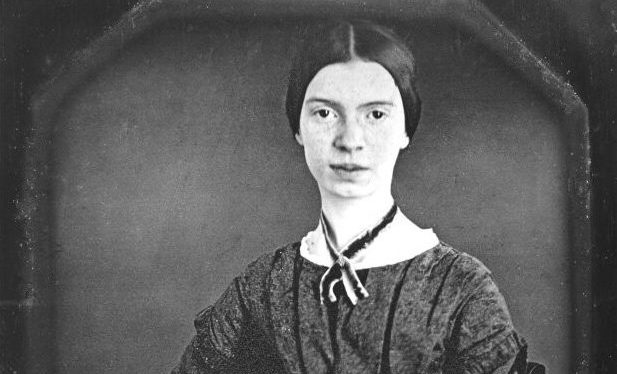
The reclusive genius of Amherst who wrote nearly 1,800 poems in near-total privacy — and, decades after her death, became one of the founders of modern American poetry.