Percy Bysshe Shelley
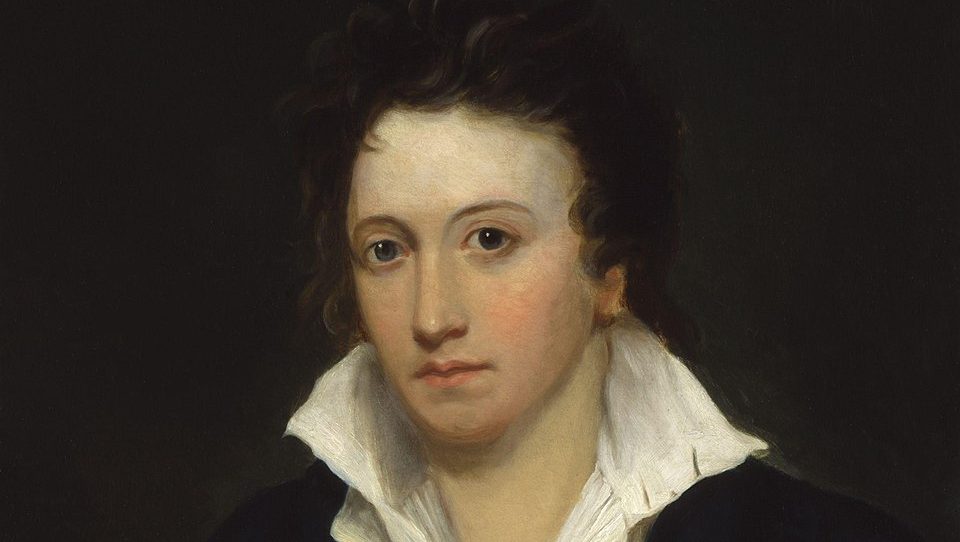
The most radical of the Romantics, dead at twenty-nine: Shelley fused lyrical beauty with political fire in “Ozymandias,” “Ode to the West Wind,” and Prometheus Unbound, certain that imagination could remake the world.
Era
46 poems
The most radical of the Romantics, dead at twenty-nine: Shelley fused lyrical beauty with political fire in “Ozymandias,” “Ode to the West Wind,” and Prometheus Unbound, certain that imagination could remake the world.
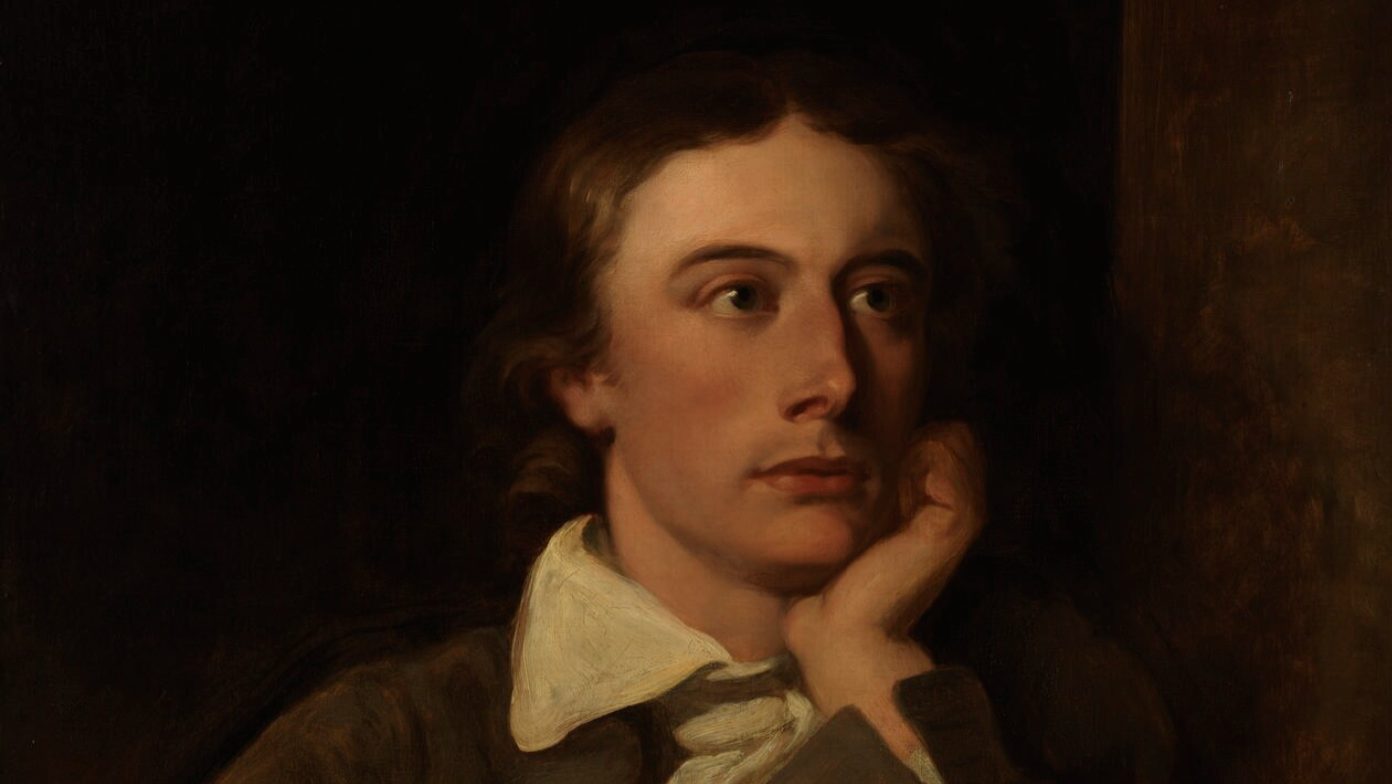
Dead at twenty-five after barely five years of writing, the English Romantic poured beauty and mortality into the great odes of 1819 — and became one of the most beloved poets in the language.
Poe’s last poem sounds like the tenderest of love songs. Look closer and its speaker blames Heaven for murder and sleeps each night in a tomb — a beautiful elegy that is also a study in grief turned to obsession.
Wordsworth’s “Tintern Abbey” transforms remembered nature into moral vision — attention ripened by time becomes wisdom.
A singer in a field teaches Wordsworth an ethics of listening — mystery honored, music carried inward as lasting solace.
A bracing sonnet against distraction and commerce — Wordsworth pleads for a restored capacity to see the world as sacred.
An urgent apostrophe to Milton — Wordsworth critiques national selfishness and calls for humble, star-like virtue.
A winter romance in Spenserian stanzas, “The Eve of St. Agnes” stages desire at the threshold of ritual and risk.
On a marble urn, a lover leans forever toward a kiss he can never complete and a song hangs forever unsung. Keats’s ode asks whether this frozen perfection is a blessing or a torment — and leaves its famous “Beauty is truth, truth beauty” to be weighed, not simply believed.
Everything about “To Autumn” says it should be sad — the end of the year, the coming of winter, written by a man who was dying. Instead Keats writes the least mournful of all autumn poems. He deliberately turns away from elegy (“Think not of them, thou hast thy music too”), erases himself almost entirely from the poem, and renders even the approach of winter as fullness and song.
It reads like the original femme-fatale story: a beautiful faery woman lures a knight, drains him, and leaves him to die where no birds sing. But Keats built the ballad to make that reading impossible to trust — every word about the lady comes from a dying, deluded knight, we never once hear her voice, and the ghosts who brand her “without mercy” are themselves ruined men. The real subject may be desire that idealizes a woman, consumes her, then blames her when the dream ends.
Keats’s “Bright Star” is usually read as choosing warm human love over cold cosmic eternity. But the sonnet is caught in a trap: a star is constant precisely because it is alone and detached, while human warmth is mortal and always in motion. Keats wants permanence without isolation — and the poem half-knows you can’t have both, which is why its last line splits open into “live ever — or else swoon to death.”