Gerard Manley Hopkins
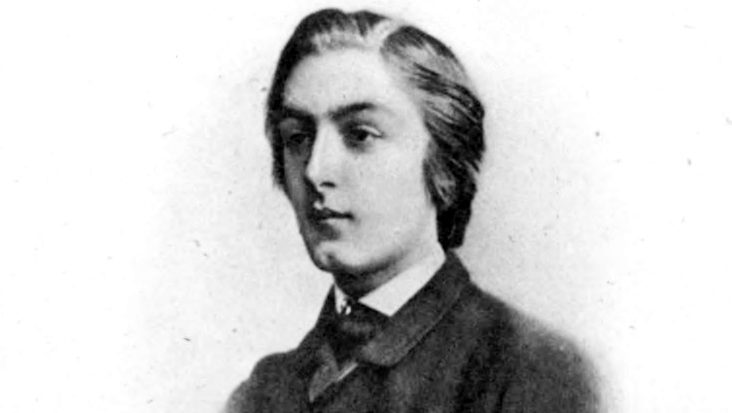
Gerard Manley Hopkins (1844–1889), a Jesuit priest and Victorian poet, wrote experimental, devotional nature poems that went unpublished in his lifetime and reshaped modern English verse after their 1918 release.
 maximus
Gerard Manley Hopkins (1844–1889), a Jesuit priest and Victorian poet, wrote experimental, devotional nature poems that went unpublished in his lifetime and reshaped modern English verse after their 1918 release.
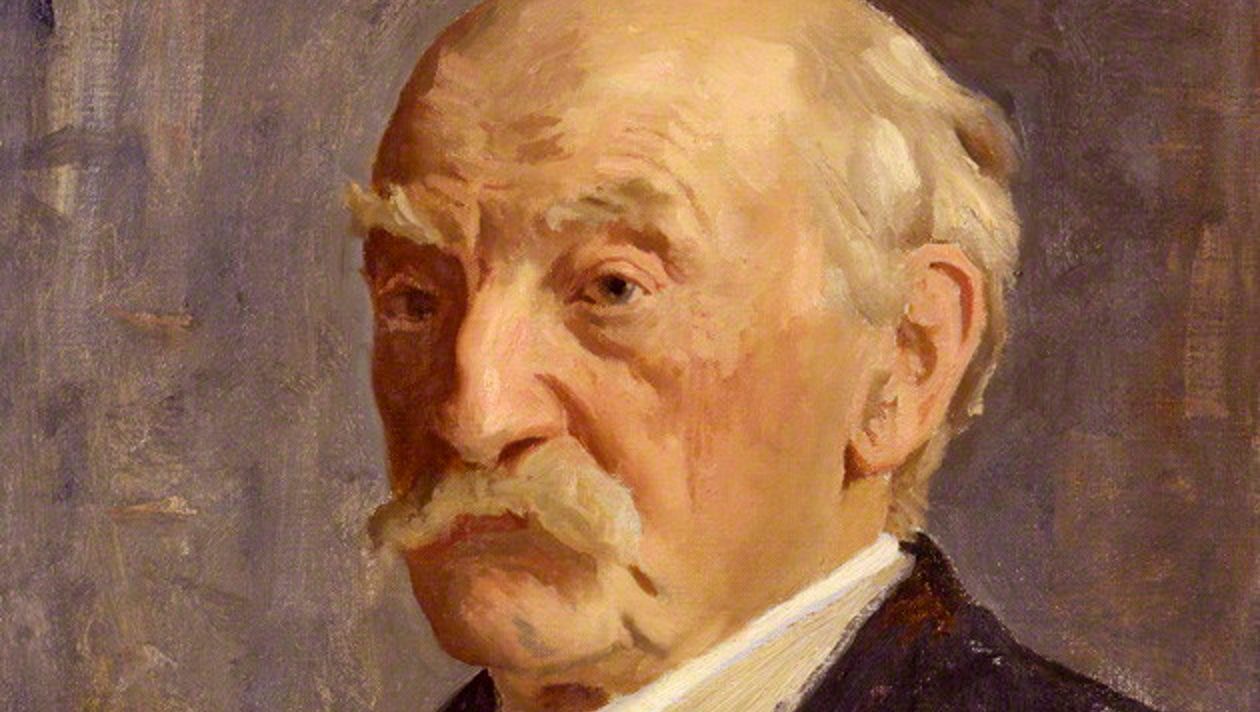
Famous first as a novelist, Hardy gave his last thirty years to the poetry he loved most — “The Darkling Thrush,” the haunting elegies for his wife Emma — facing time, chance, and loss with unflinching, tender honesty.
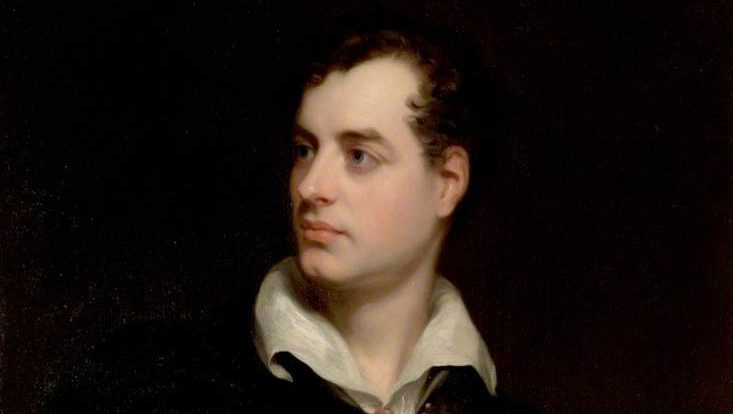
Poet, celebrity, exile, and creator of the Byronic hero: Byron lived as boldly as he wrote, from “She Walks in Beauty” to the satirical sweep of Don Juan, before dying at thirty-six in the cause of Greek freedom.
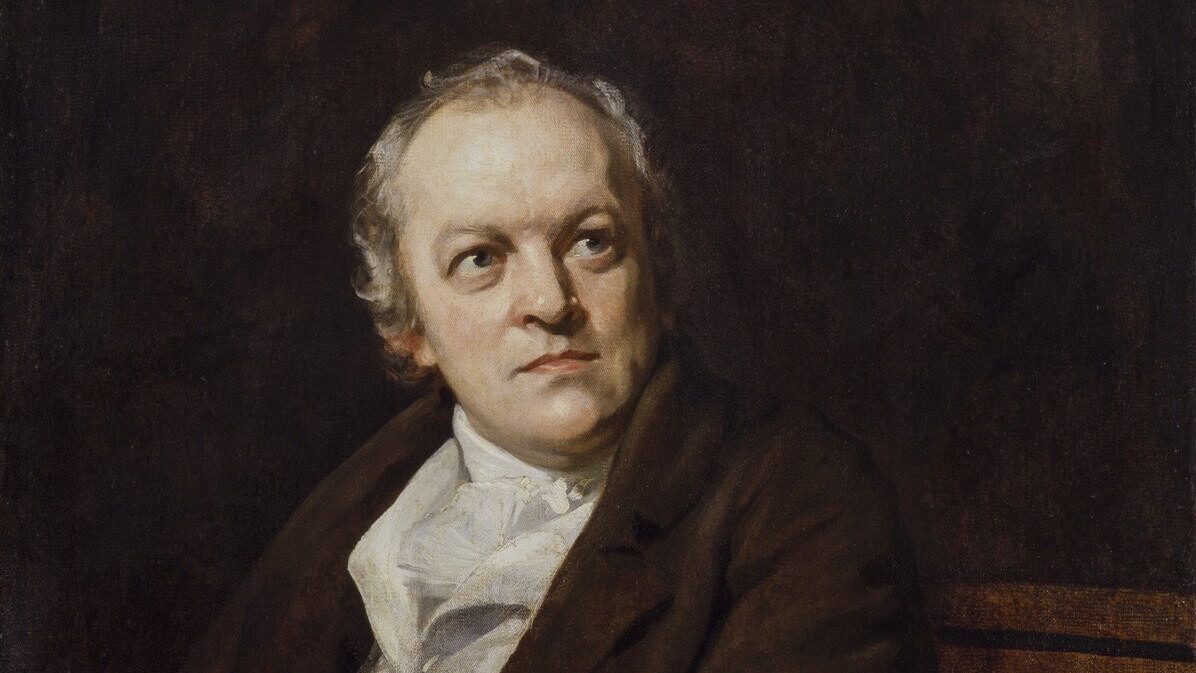
Poet, painter, and prophet, Blake hand-printed his own illuminated books and saw imagination as the deepest truth — from “The Tyger” to Songs of Innocence and of Experience. Dismissed in his day, now hailed as a singular genius.
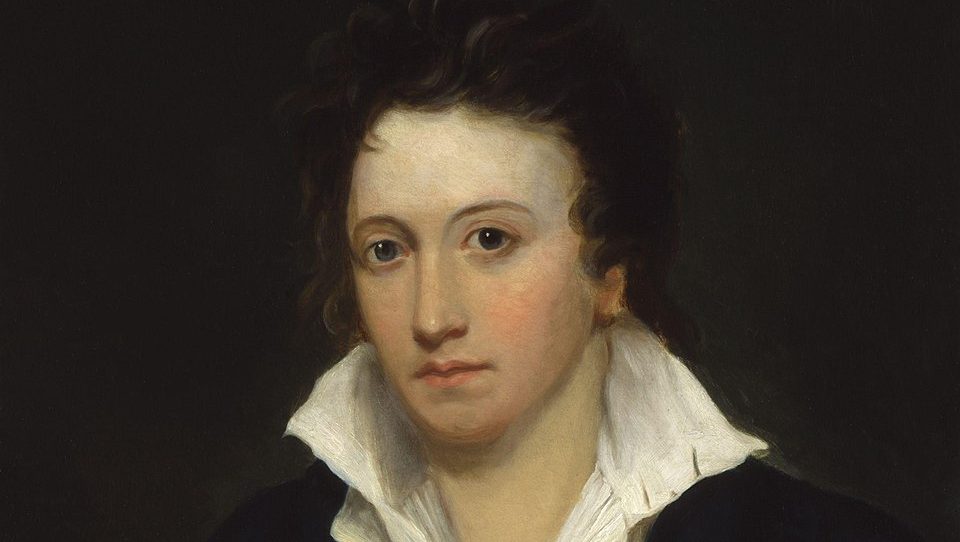
The most radical of the Romantics, dead at twenty-nine: Shelley fused lyrical beauty with political fire in “Ozymandias,” “Ode to the West Wind,” and Prometheus Unbound, certain that imagination could remake the world.
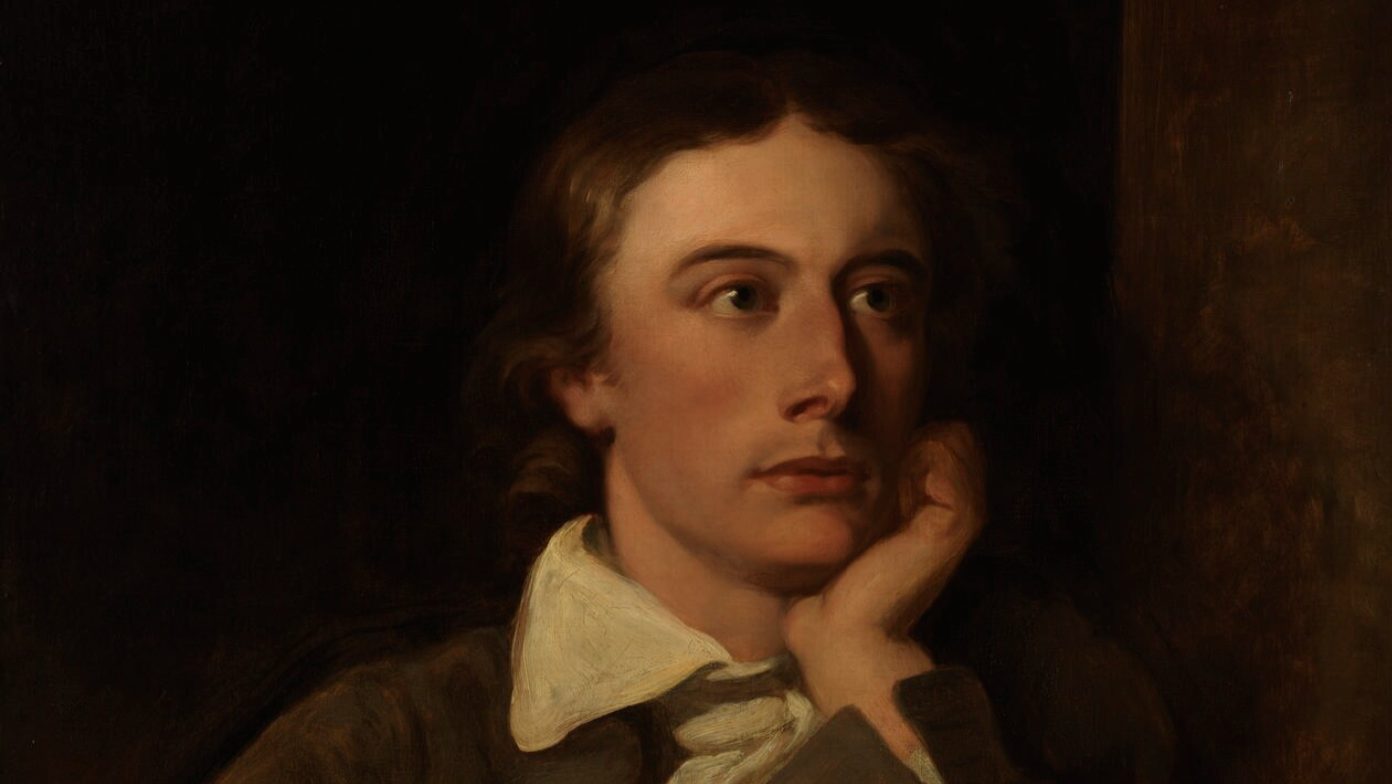
Dead at twenty-five after barely five years of writing, the English Romantic poured beauty and mortality into the great odes of 1819 — and became one of the most beloved poets in the language.
It sounds like “remember me forever.” But Rossetti’s sonnet talks itself out of the demand, ending by preferring that you forget and smile than remember and be sad.
“To strive, to seek, to find, and not to yield” gets quoted as pure uplift. The poem around it is the speech of an old king walking out on his kingdom, his wife, and his son — and Tennyson never tells you whether to cheer.
A Duke’s refined monologue reveals jealousy, control, and a chilling confession.
Poe’s last poem sounds like the tenderest of love songs. Look closer and its speaker blames Heaven for murder and sleeps each night in a tomb — a beautiful elegy that is also a study in grief turned to obsession.
Death is polite, the ride is unhurried, and the speaker has been dead for centuries by the time she tells the story. Dickinson’s most famous poem is calmer than it has any right to be.
It’s the most quoted love poem in English — but “How do I love thee?” is stranger and darker than its wedding-reading fame suggests. Barrett Browning sets out to count the ways she loves, only to show that love defeats counting — and she builds that love not from young romance but from old grief and the faith she thought she’d lost.