The Look
Strephon and Robin kissed her in jest and play, and both are gone. Colin only looked, and that look stays. Teasdale’s tiny song makes the unspoken glance outweigh two real kisses.
 maximus
 Strephon and Robin kissed her in jest and play, and both are gone. Colin only looked, and that look stays. Teasdale’s tiny song makes the unspoken glance outweigh two real kisses.
Written as World War I raged, Sara Teasdale’s twelve-line lyric pictures nature carrying on in perfect indifference to human catastrophe — and asks how little our extinction would cost the spring.
An imperial‑era exhortation whose persuasive craft and racial assumptions make it a central text for contextual study.
Everyone knows it as the great inspirational poem of keeping your head and treating triumph and disaster the same. But “If—” is one unbroken sentence that withholds its reward to the final line, and beneath the calm runs a startlingly severe code of self-mastery.
The same gesture carries two meanings: shouldered in victory, shouldered to the grave. Housman’s elegy makes a case for early death it doesn’t quite trust.
A lyrical vision of retreat, where remembered waters guide the heart toward quiet and self-sufficiency.
A wintry century’s despair meets a thrush’s song of inexplicable hope.
War’s rehearsal rattles the dead as Hardy exposes modern militarism’s empty thunder.
Rossetti’s narrative poem of temptation and sisterly sacrifice, where desire, commerce, and redemption collide in richly musical Victorian verse.
Matthew Arnold’s “Dover Beach” contrasts beauty and despair, exploring lost faith and the enduring need for love in a changing world.
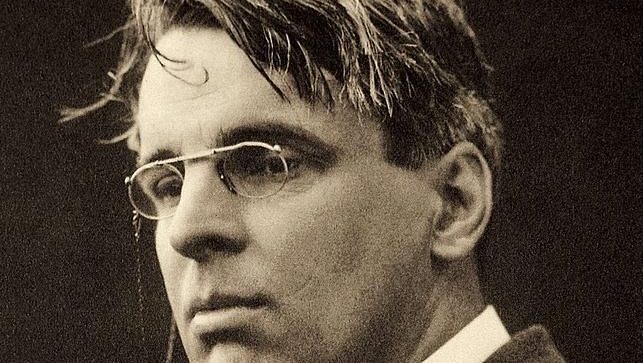
Discover W. B. Yeats, the Irish poet whose mystical vision and modernist craft reshaped twentieth-century poetry.
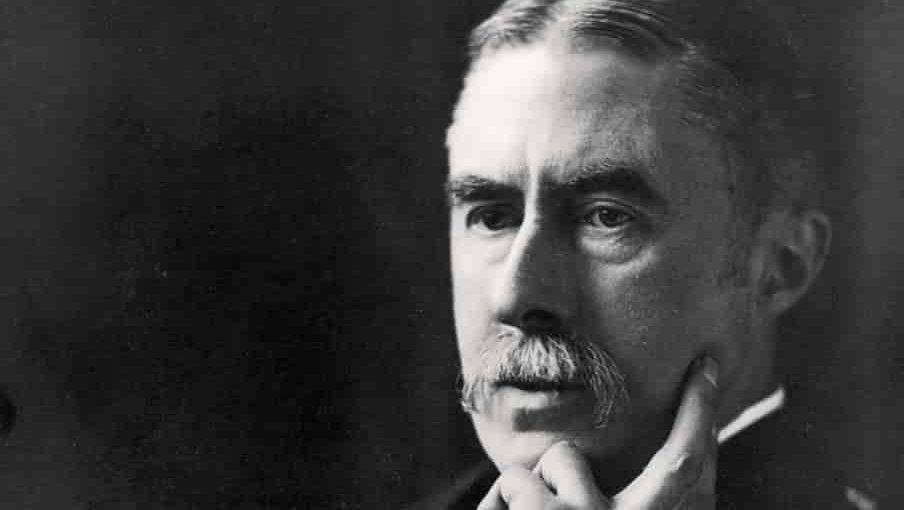
Classical scholar by day and lyric poet by vocation, Housman distilled youth, lost love, and mortality into the spare, unforgettable poems of A Shropshire Lad — beloved music made out of restraint and sorrow.