Invictus
“I am the master of my fate, / I am the captain of my soul.” Henley wrote it from a hospital bed, one leg already amputated — a defiance not abstract but physical, and a bold claim of the human will against fate, judgment, and the dark.
 maximus
 “I am the master of my fate, / I am the captain of my soul.” Henley wrote it from a hospital bed, one leg already amputated — a defiance not abstract but physical, and a bold claim of the human will against fate, judgment, and the dark.
The raven only ever says one word. The horror of Poe’s masterpiece is that the grieving narrator knows this — and keeps asking the questions guaranteed to make “Nevermore” hurt most.
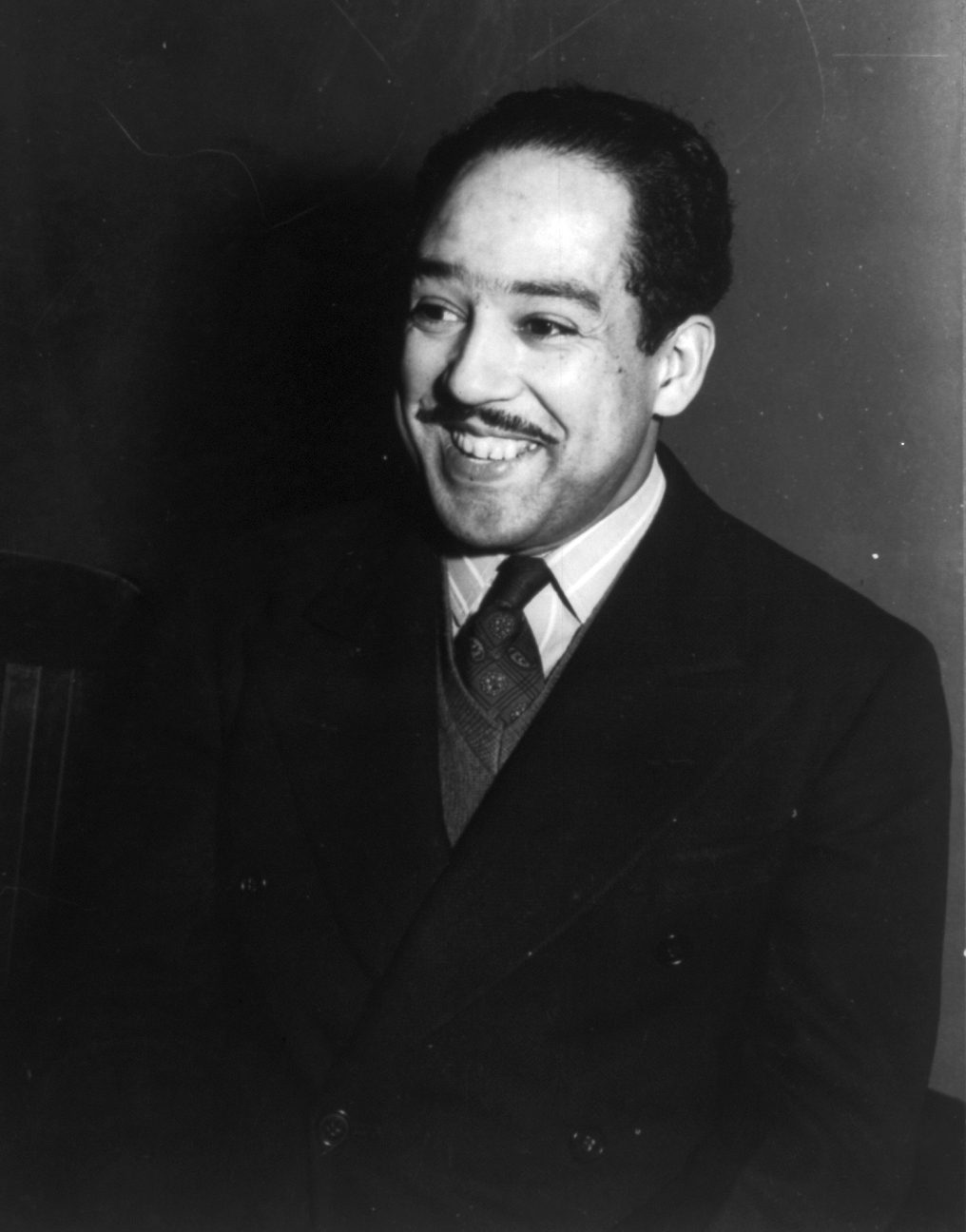
Explore the life and legacy of Langston Hughes, the poet and social visionary who gave voice to African American identity and the rhythms of modern life.
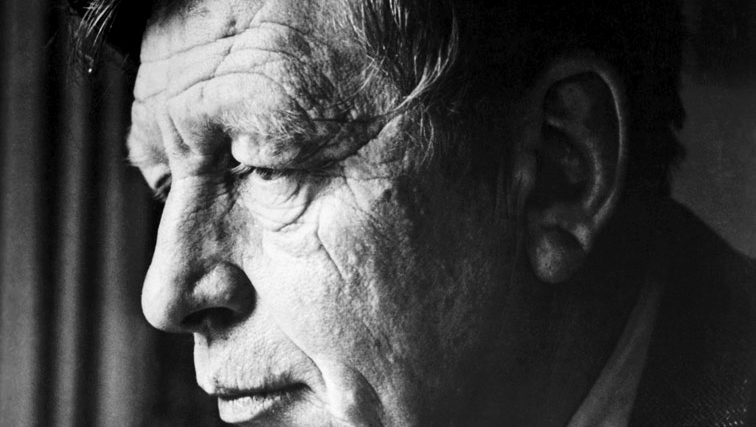
Explore the life and work of W. H. Auden, the modernist poet whose wit and moral insight captured the anxieties and aspirations of the twentieth century.
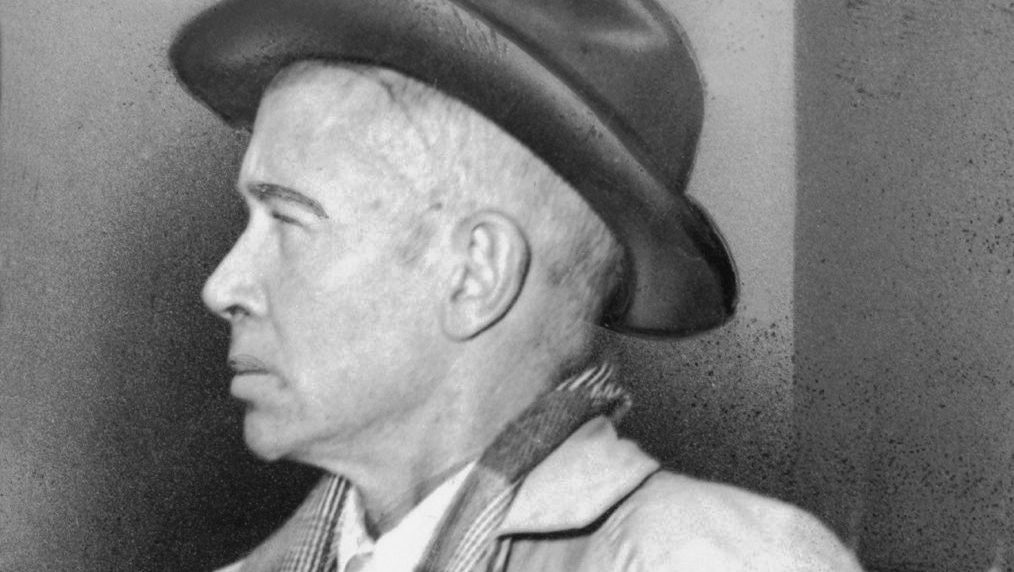
Discover the life and art of E. E. Cummings, the innovative poet who broke conventions with his unique style and celebration of individuality.
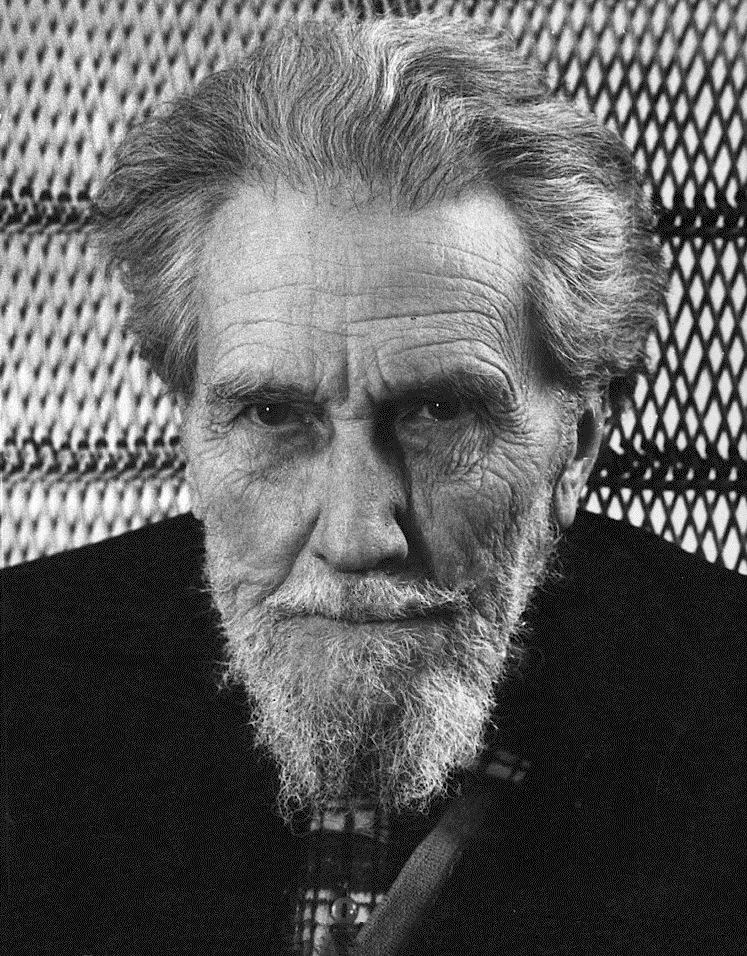
Explore the life and influence of Ezra Pound, the revolutionary poet and critic who shaped modern literature through innovation and mentorship.
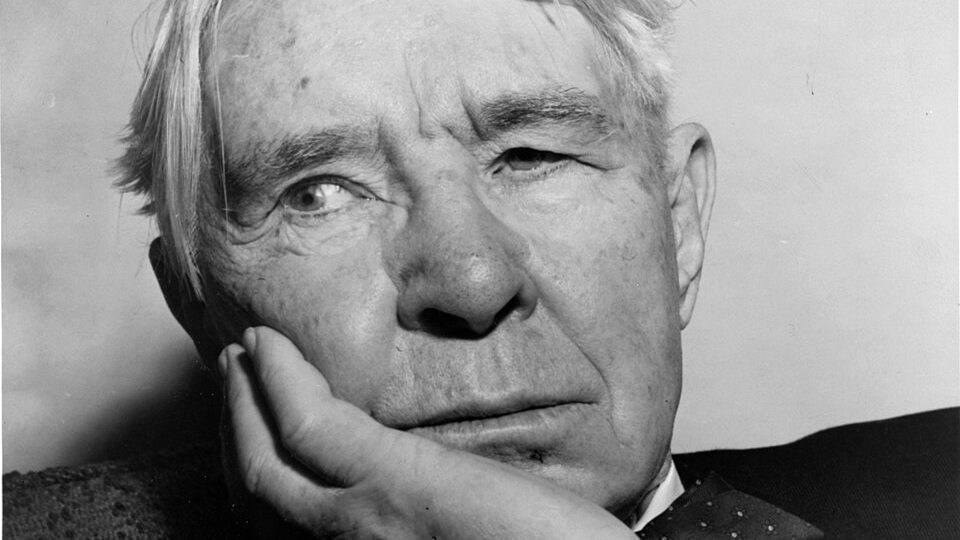
Carl Sandburg (1878–1967), the Pulitzer-winning poet of working-class America, made free verse a hymn to ordinary people — from “Chicago” to his monumental life of Lincoln.
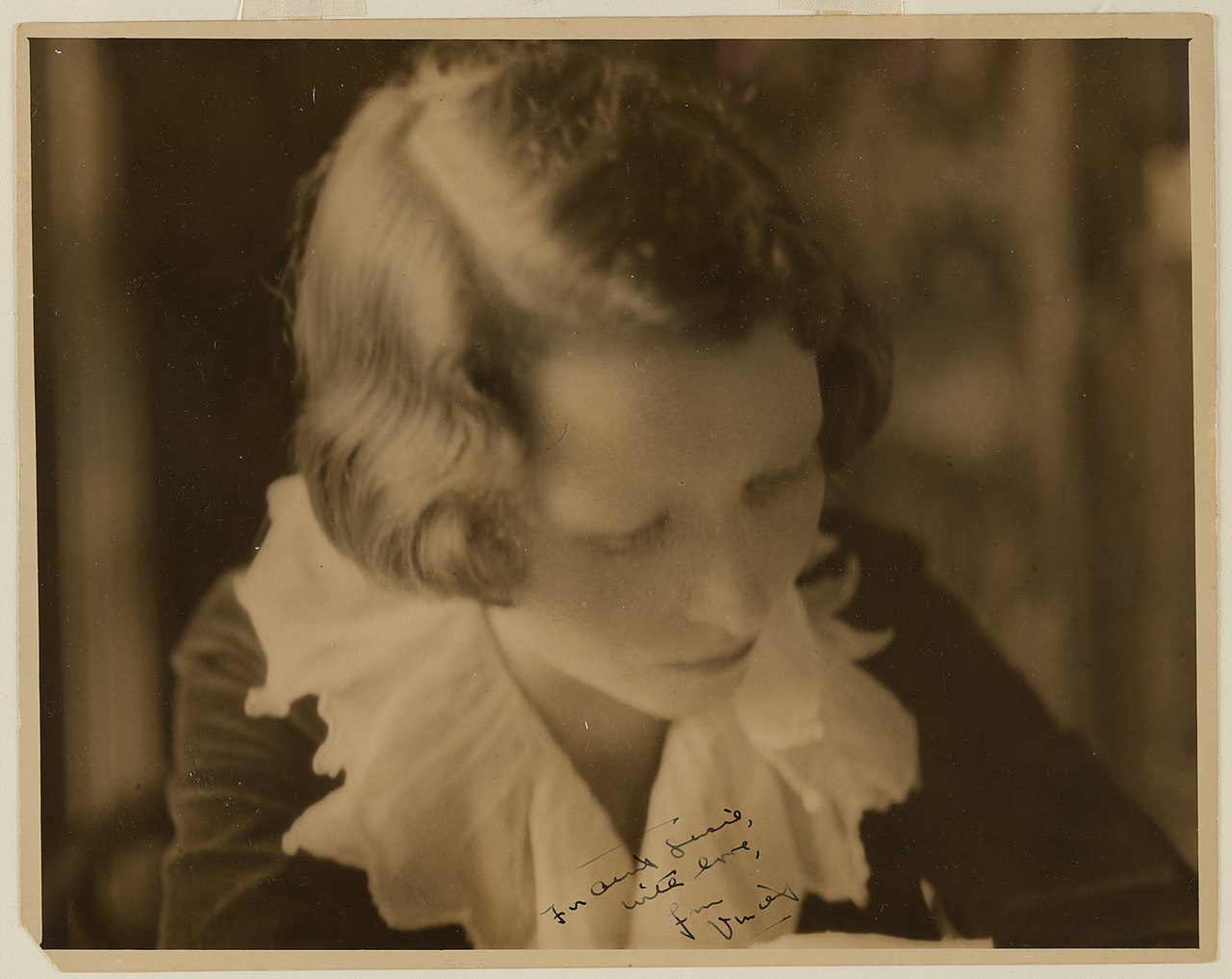
A Pulitzer-winning virtuoso of the sonnet and a symbol of the modern “New Woman,” Millay burned her candle at both ends — pouring love, desire, and fierce independence into some of the finest American verse of her century.
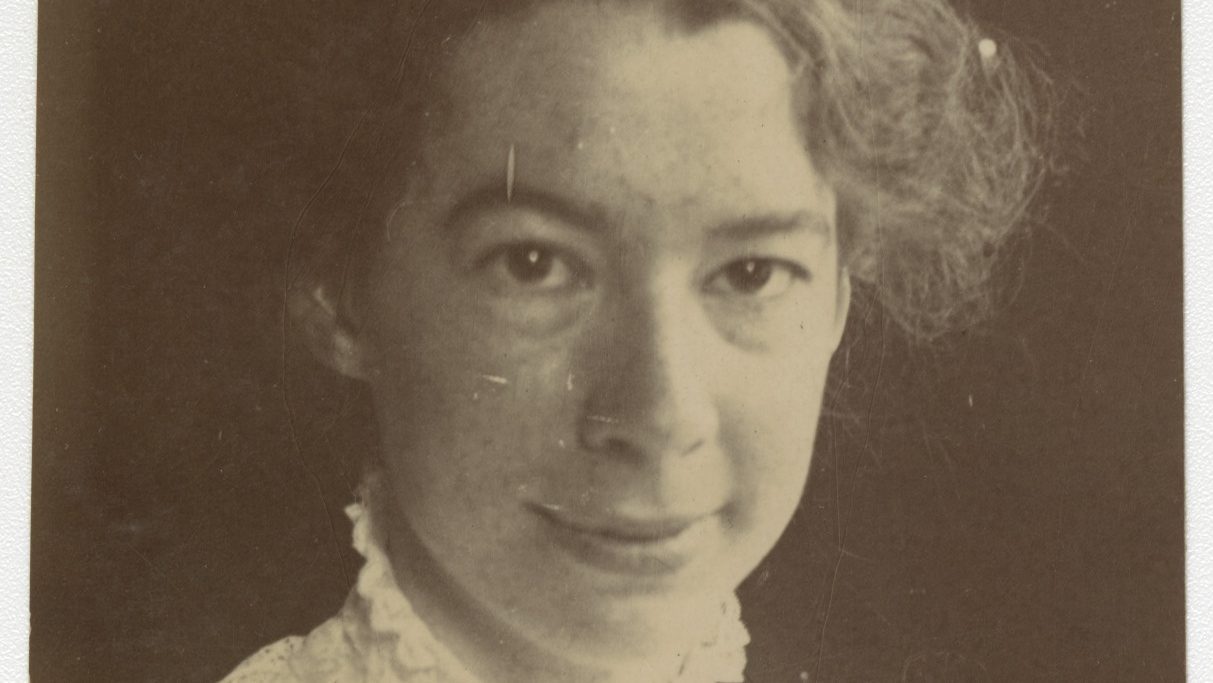
An American master of the short lyric, Teasdale won the prize that became the Pulitzer and wrote some of the most quietly haunting poems of her age — from “There Will Come Soft Rains” to “Barter” — on love, beauty, and loss.
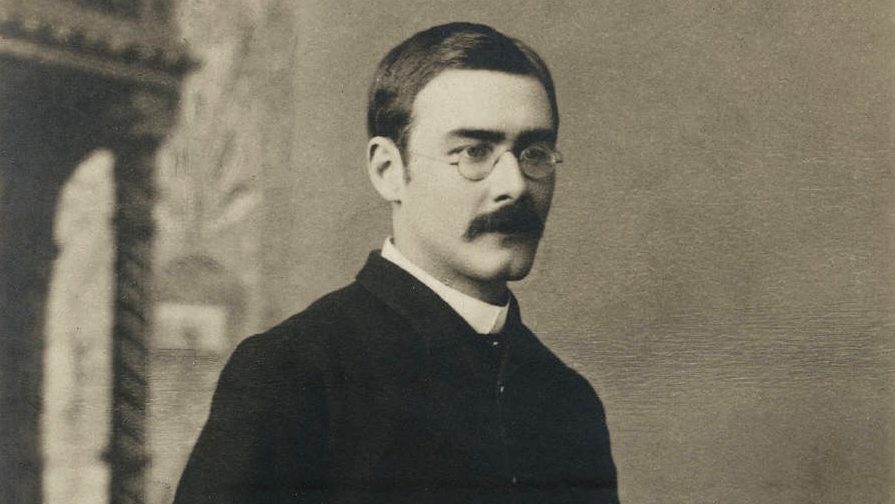
Explore the life and legacy of Rudyard Kipling, Nobel laureate and master storyteller who captured the moral complexities of the British Empire.
Strephon and Robin kissed her in jest and play, and both are gone. Colin only looked, and that look stays. Teasdale’s tiny song makes the unspoken glance outweigh two real kisses.
Teasdale’s classic love lyric balancing the hunger to yield with the need to remain oneself.