Because I Could Not Stop for Death
Death is polite, the ride is unhurried, and the speaker has been dead for centuries by the time she tells the story. Dickinson’s most famous poem is calmer than it has any right to be.
Era
43 poems
Death is polite, the ride is unhurried, and the speaker has been dead for centuries by the time she tells the story. Dickinson’s most famous poem is calmer than it has any right to be.
It’s the most quoted love poem in English — but “How do I love thee?” is stranger and darker than its wedding-reading fame suggests. Barrett Browning sets out to count the ways she loves, only to show that love defeats counting — and she builds that love not from young romance but from old grief and the faith she thought she’d lost.
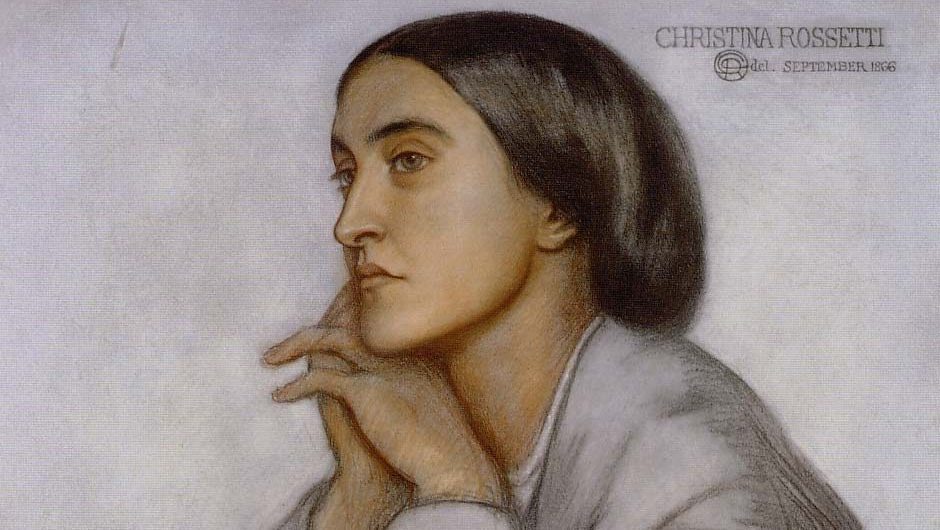
One of the finest lyric poets of the Victorian age: from the eerie fairy tale of “Goblin Market” to the carol “In the Bleak Midwinter,” Rossetti wove faith, love, and renunciation into unforgettable verse.
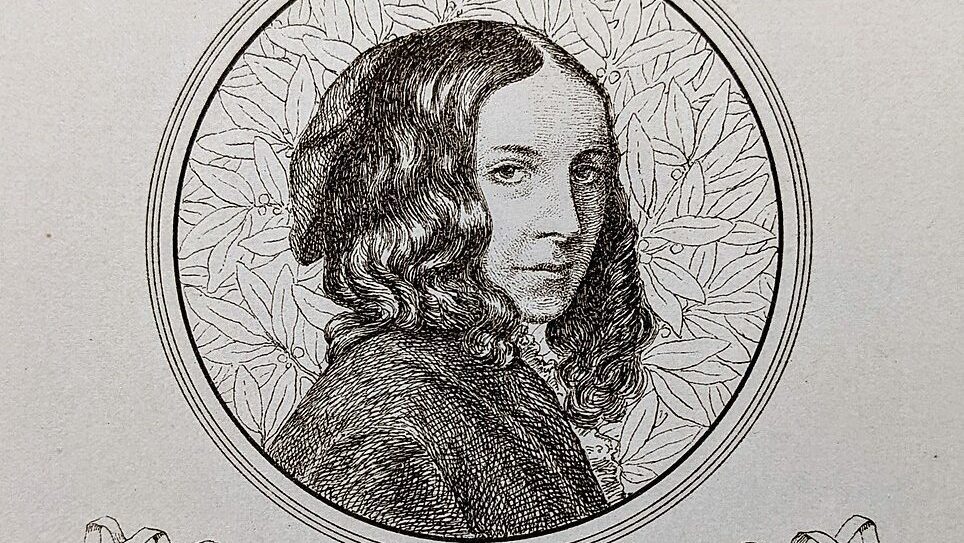
One of the most beloved Victorian poets: from “How do I love thee? Let me count the ways” to the feminist verse-novel Aurora Leigh, Barrett Browning fused passionate love with a fierce social conscience.
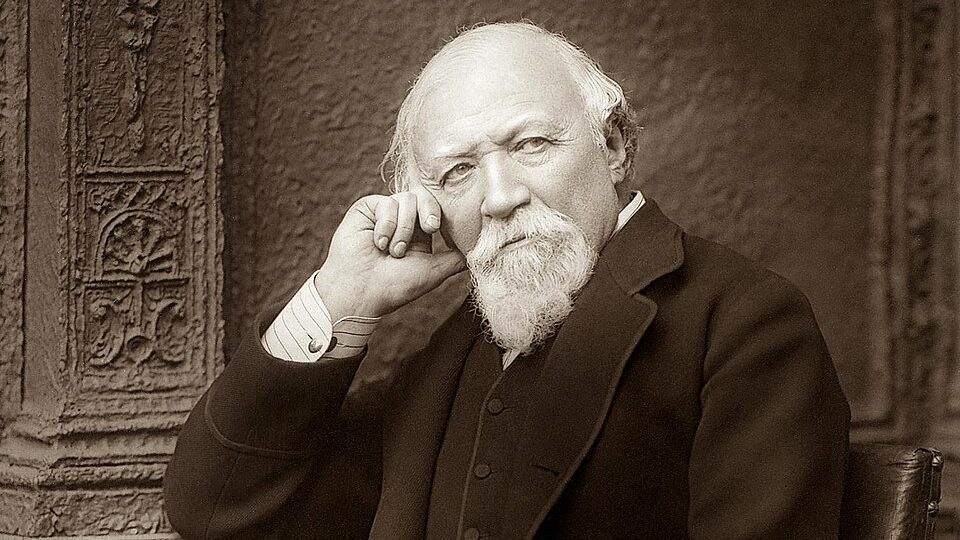
The Victorian master of the dramatic monologue: in “My Last Duchess,” “Porphyria’s Lover,” and The Ring and the Book, Browning let dukes, murderers, and saints expose their own minds — and pointed the way to modern poetry.
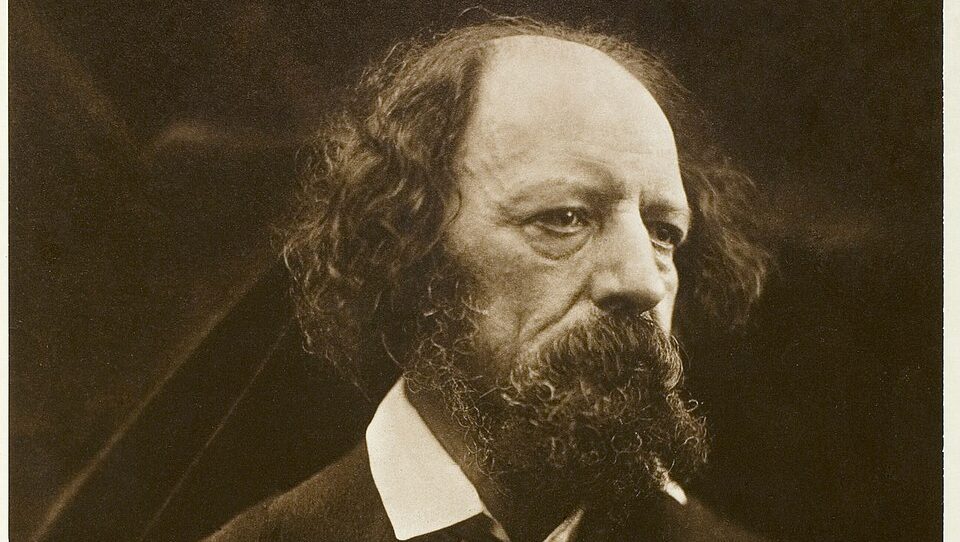
The defining poet of the Victorian age and its Poet Laureate for over forty years, Tennyson turned private grief and public occasion alike into some of the most musical, most quoted verse in English.
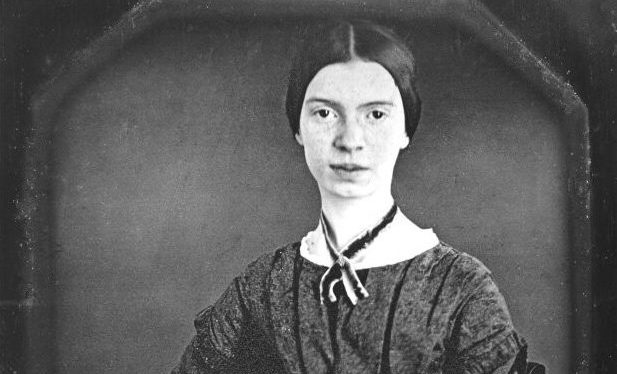
The reclusive genius of Amherst who wrote nearly 1,800 poems in near-total privacy — and, decades after her death, became one of the founders of modern American poetry.