I Dwell in Possibility
Dickinson’s twelve-line ars poetica builds poetry as a house with more windows than prose and the whole sky for a roof — then spreads two narrow hands wide to gather Paradise.
Era
43 poems
Dickinson’s twelve-line ars poetica builds poetry as a house with more windows than prose and the whole sky for a roof — then spreads two narrow hands wide to gather Paradise.
The nerves sit, the heart questions, the feet go round. Nobody’s home. Dickinson’s anatomy of shock is the most precise poem about aftermath in English.
A bird that sings without words, costs nothing, and gets louder in a storm. Dickinson’s most quoted poem is a hymn to hope that works better than it probably should.
Tennyson’s famous cavalry poem is not only a tribute to courage. Its rhythm keeps the riders moving long after the poem has admitted that “some one had blunder’d.”
“I am the master of my fate, / I am the captain of my soul.” Henley wrote it from a hospital bed, one leg already amputated — a defiance not abstract but physical, and a bold claim of the human will against fate, judgment, and the dark.
Everyone knows it as the great inspirational poem of keeping your head and treating triumph and disaster the same. But “If—” is one unbroken sentence that withholds its reward to the final line, and beneath the calm runs a startlingly severe code of self-mastery.
The same gesture carries two meanings: shouldered in victory, shouldered to the grave. Housman’s elegy makes a case for early death it doesn’t quite trust.
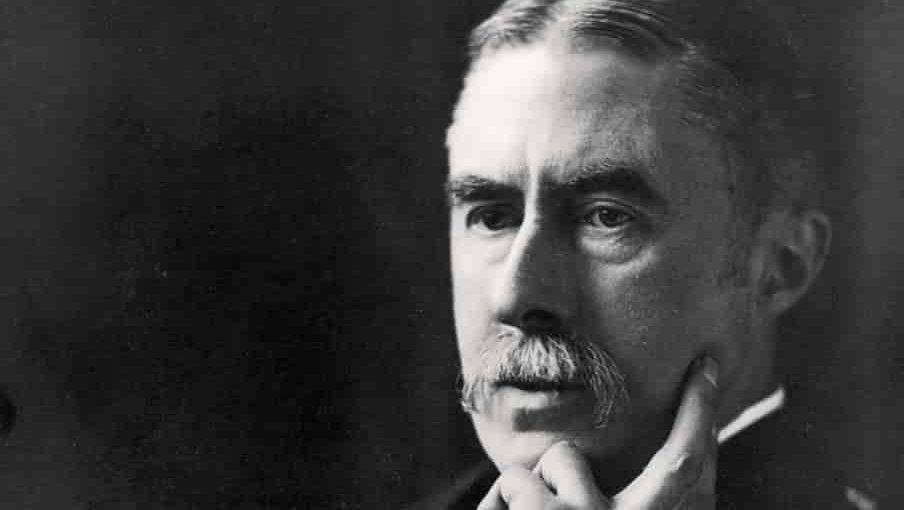
Classical scholar by day and lyric poet by vocation, Housman distilled youth, lost love, and mortality into the spare, unforgettable poems of A Shropshire Lad — beloved music made out of restraint and sorrow.
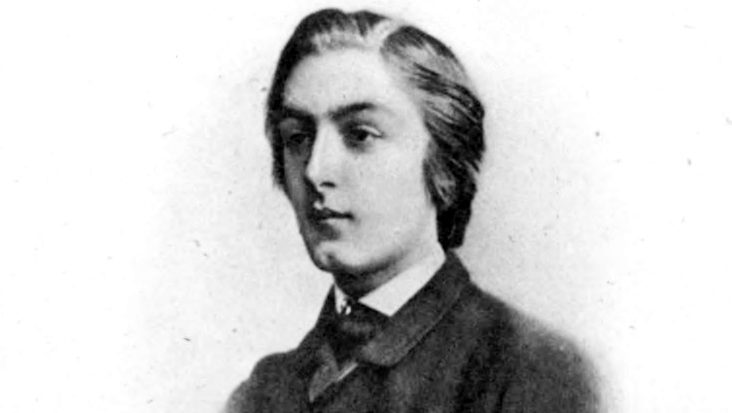
Gerard Manley Hopkins (1844–1889), a Jesuit priest and Victorian poet, wrote experimental, devotional nature poems that went unpublished in his lifetime and reshaped modern English verse after their 1918 release.
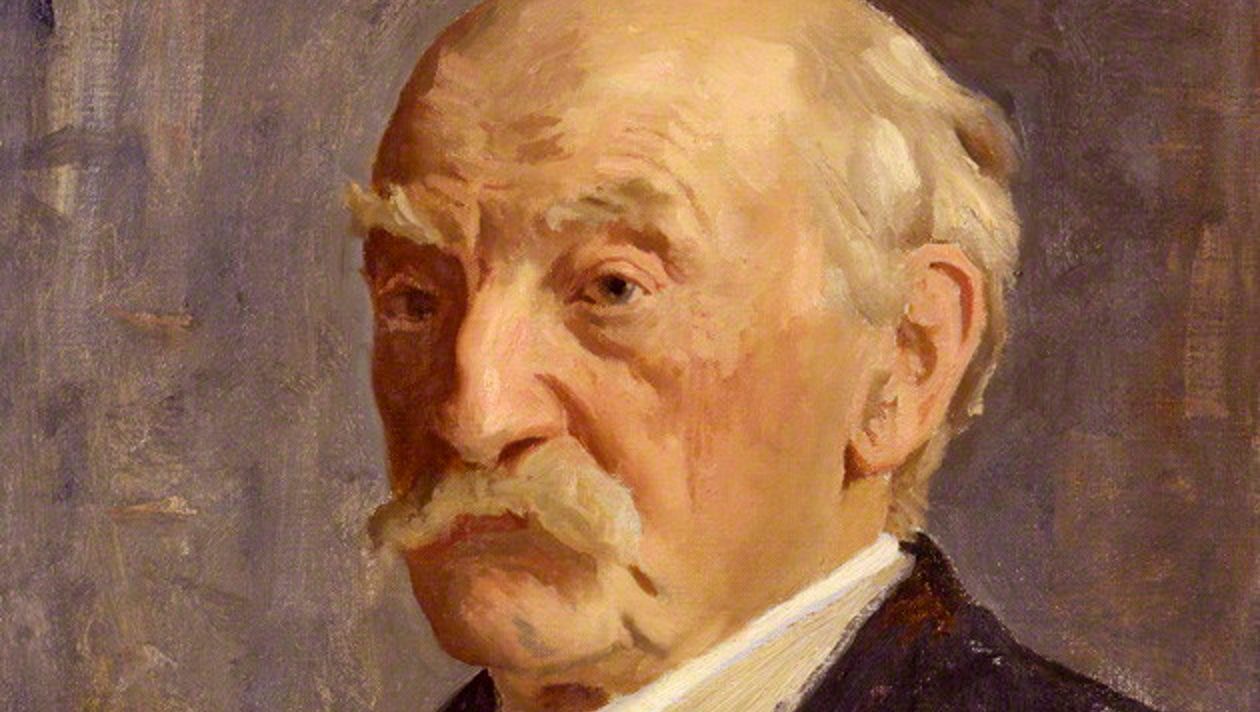
Famous first as a novelist, Hardy gave his last thirty years to the poetry he loved most — “The Darkling Thrush,” the haunting elegies for his wife Emma — facing time, chance, and loss with unflinching, tender honesty.
It sounds like “remember me forever.” But Rossetti’s sonnet talks itself out of the demand, ending by preferring that you forget and smile than remember and be sad.
“To strive, to seek, to find, and not to yield” gets quoted as pure uplift. The poem around it is the speech of an old king walking out on his kingdom, his wife, and his son — and Tennyson never tells you whether to cheer.