Samuel Taylor Coleridge
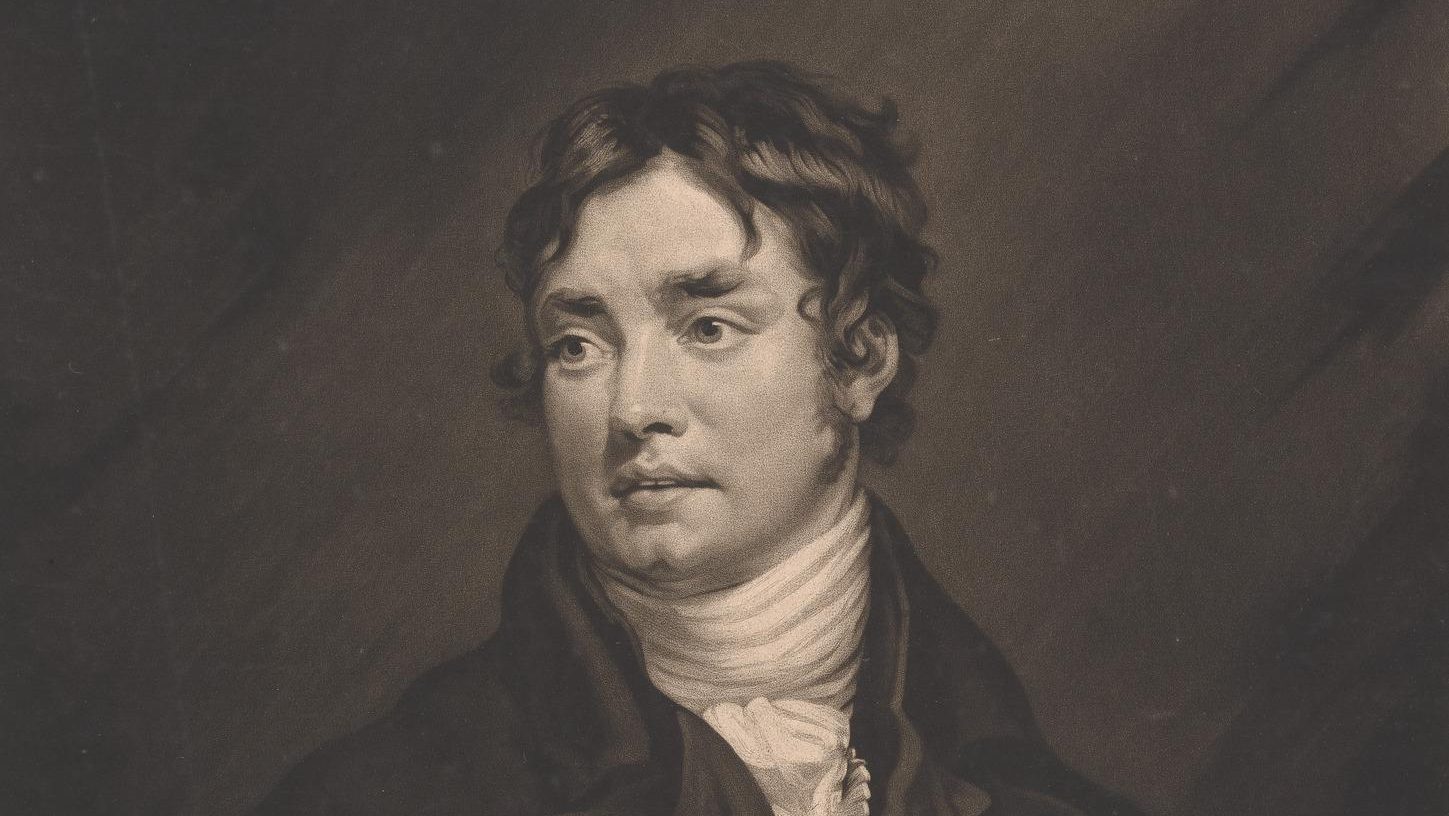
Co-founder of English Romanticism, Coleridge gave us the haunted “Rime of the Ancient Mariner,” the opium dream of “Kubla Khan,” and a theory of imagination that shaped criticism for a century.
Category
Discover the lives and legacies of history’s most influential poets. Each biography traces a writer’s creative journey — their themes, style, and place in the evolving tradition of poetry. From ancient masters to modern innovators, explore how their words continue to inspire, challenge, and illuminate the art of expression.
44 poems
Discover the lives and legacies of history’s most influential poets. Each biography traces a writer’s creative journey — their themes, style, and place in the evolving tradition of poetry. From ancient masters to modern innovators, explore how their words continue to inspire, challenge, and illuminate the art of expression.
Co-founder of English Romanticism, Coleridge gave us the haunted “Rime of the Ancient Mariner,” the opium dream of “Kubla Khan,” and a theory of imagination that shaped criticism for a century.
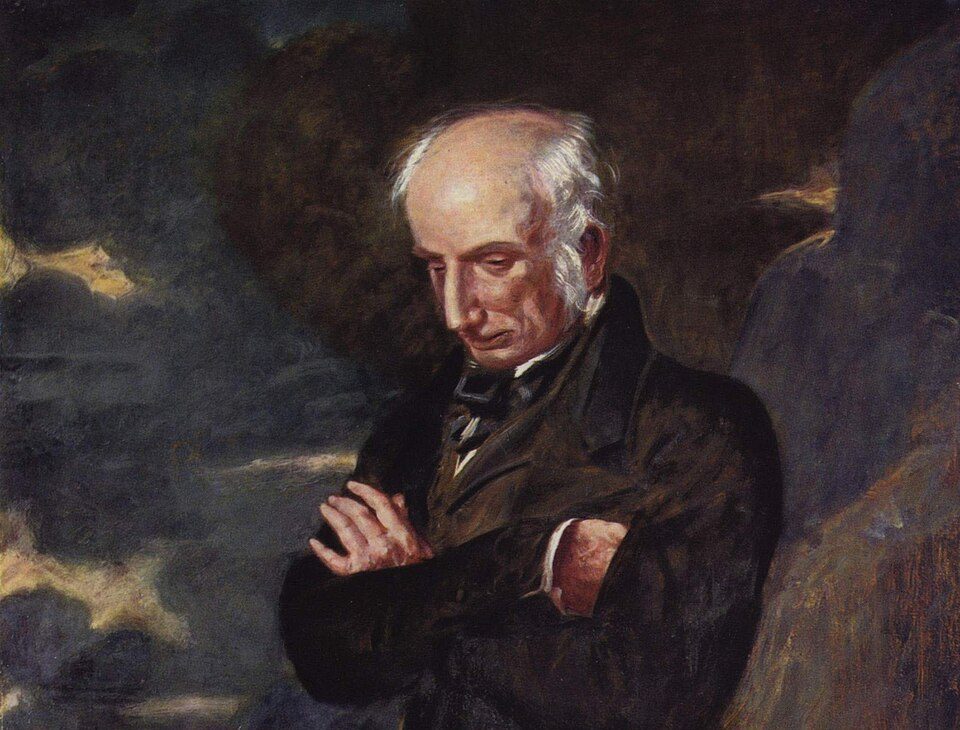
The Lake District poet who launched English Romanticism: with Lyrical Ballads he gave poetry the plain speech of ordinary life and made nature, memory, and childhood its central subjects.
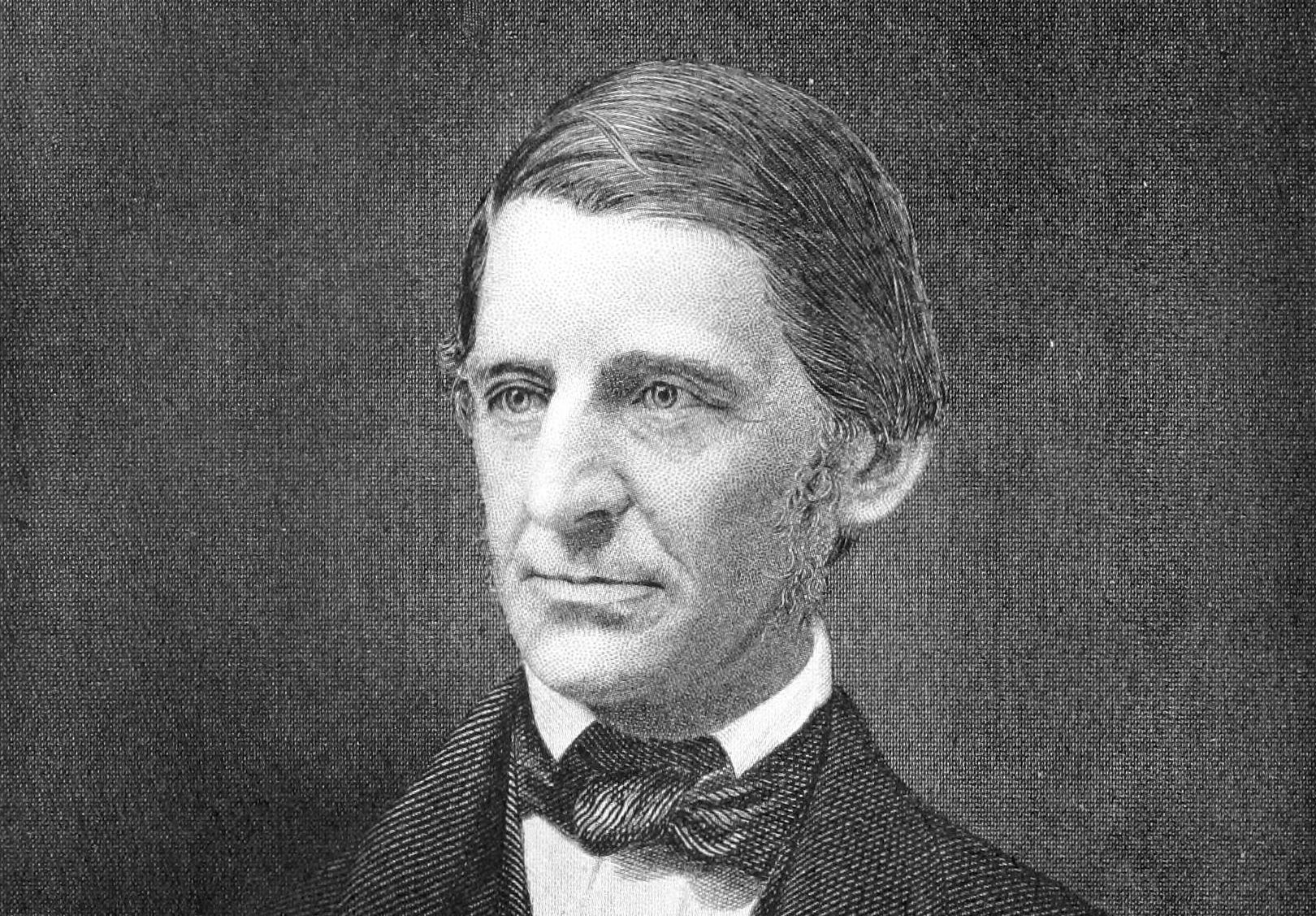
Ralph Waldo Emerson was an American poet and thinker whose Transcendentalist philosophy celebrated individuality, nature, and spiritual freedom.
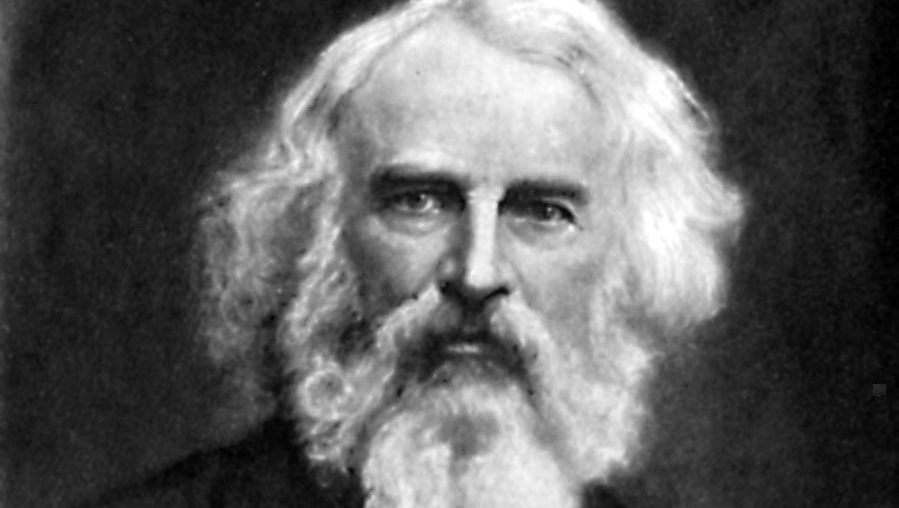
Henry Wadsworth Longfellow was an American poet whose lyrical storytelling and moral vision made him one of the most beloved voices of the 19th century.

Orphaned, impoverished, and haunted by loss, the American master of the macabre gave us “The Raven,” the detective story, and a body of verse and tales that still defines Gothic literature.
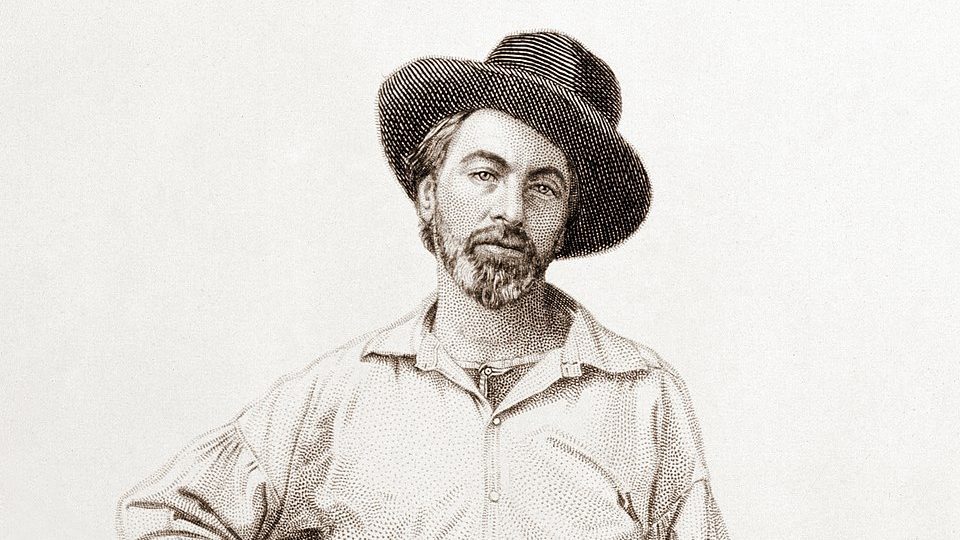
The Brooklyn printer who reinvented poetry: across forty years and a single ever-growing book, Leaves of Grass, Whitman pioneered free verse and gave America its most expansive voice.
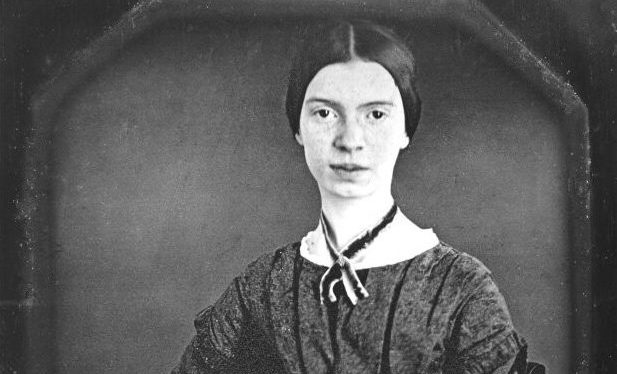
The reclusive genius of Amherst who wrote nearly 1,800 poems in near-total privacy — and, decades after her death, became one of the founders of modern American poetry.
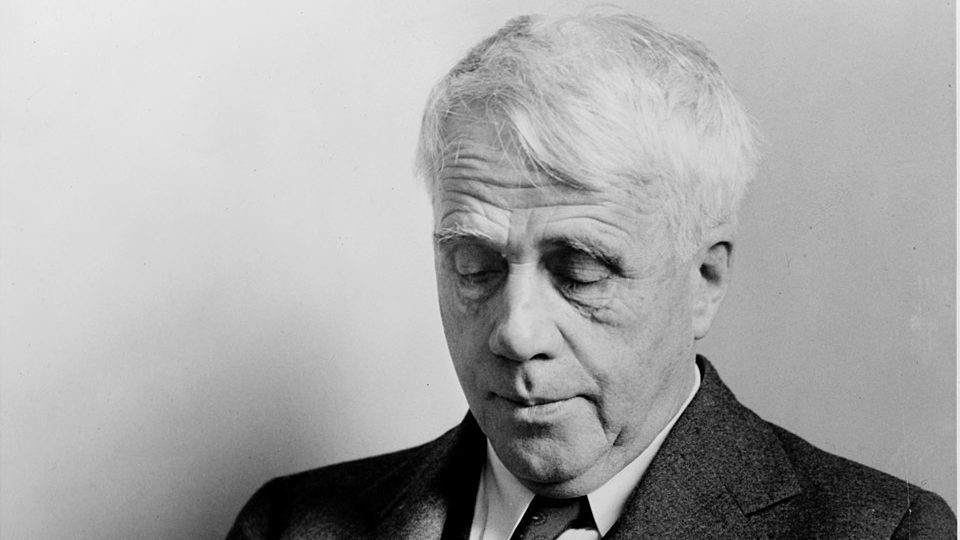
Robert Frost (1874–1963), the four-time Pulitzer winner who kept traditional form alive in the modernist age, found whole worlds in stone walls, snowy woods, and forking roads.