William Ernest Henley
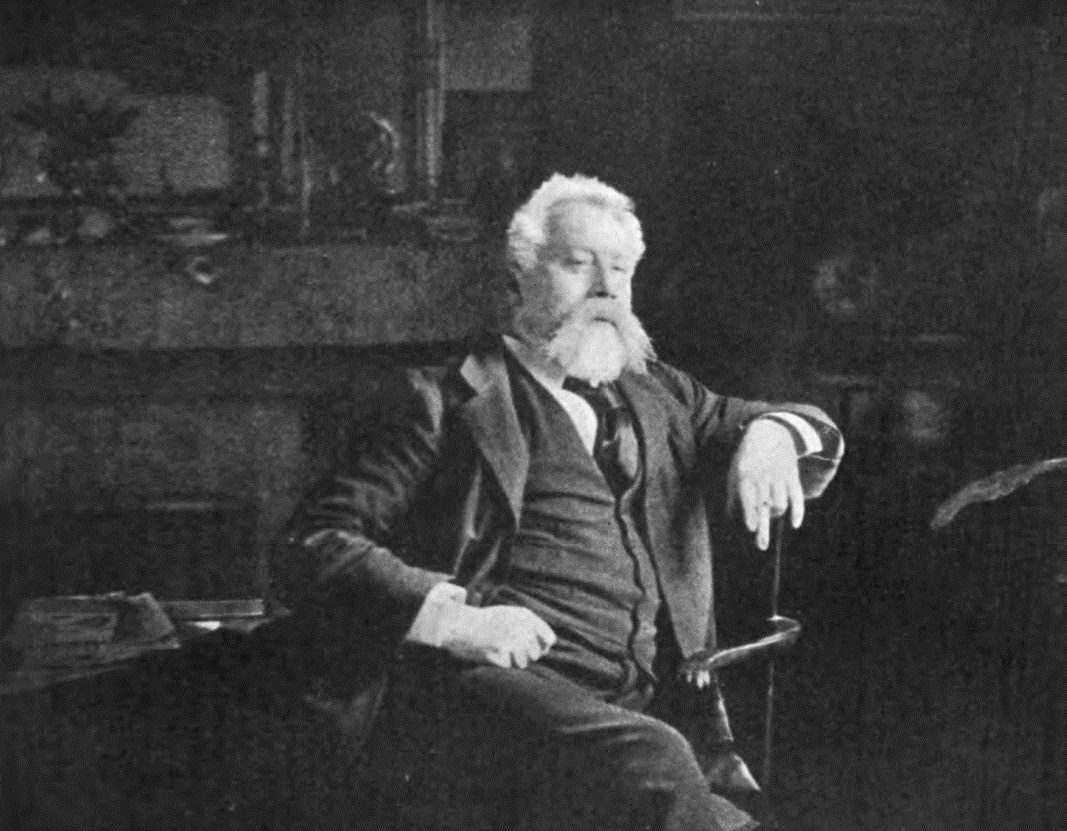
He lost a leg to tuberculosis, wrote Invictus from his sickbed, and edited the magazines that launched Kipling and Yeats. The defiant life of William Ernest Henley — poet, editor, and the model for Long John Silver.
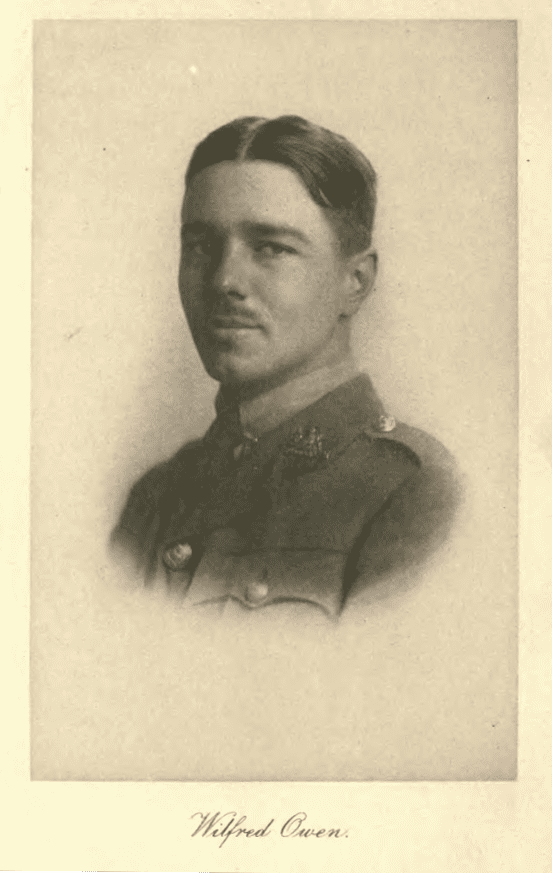
Killed a week before the Armistice at 25, Wilfred Owen left behind the most powerful poetry of the First World War — a look at his short life, his war, and the pity at the heart of his verse.
W. B. Yeats’s apocalyptic vision of a civilization spinning out of control — “things fall apart; the centre cannot hold.” Full poem, summary, and analysis.
Wilfred Owen’s searing First World War poem forces the reader to witness a soldier’s death by gas — and calls patriotic glory “the old Lie.” Full poem and analysis.
Walt Whitman walks out of a star lecture to look up at the real night sky — eight lines weighing measured knowledge against pure wonder. Full poem and analysis.
John Keats’s sonnet captures the thrill of a great book opening like a new world — written overnight at twenty. Full poem, summary, and analysis.
Gerard Manley Hopkins’s 1877 sonnet sees the world charged with God’s grandeur, laments how trade and toil wear it bare, then finds hope in nature’s renewal and the Holy Ghost brooding over a bent world.
Tennyson’s chosen last word — the poem he asked be placed last in every edition of his work. Death becomes a ship crossing the harbour bar into the open sea, faced not with rage but with calm, hard-won hope.
One of Donne’s greatest love poems. Waking beside his beloved, the speaker calls everything before this love a childish sleep, and argues that their joined love makes one little room a whole world that cannot die.
A weary traveler asks whether the road climbs all the way to the end, and an unseen voice answers. Rossetti’s dialogue turns life into an uphill journey and death into a welcoming inn with beds for all who come.
The poem that gave Maya Angelou her memoir title. Dunbar’s caged bird — beating its wings, singing not for joy but as a prayer for freedom — became one of American poetry’s great images of oppression and longing.
The poet of renunciation wrote one great burst of joy. “A Birthday” overflows with similes, then demands a jewelled throne — and its imagery is so sacred that the love who “is come” may be earthly, divine, or both.