When I Was One-and-Twenty
At twenty-one, the speaker ignores a wise man’s warning not to give his heart away. A year later, heartbroken, he admits the advice was right. A reading of Housman’s folk-song lyric on love, youth, and regret.
Theme
27 poems
At twenty-one, the speaker ignores a wise man’s warning not to give his heart away. A year later, heartbroken, he admits the advice was right. A reading of Housman’s folk-song lyric on love, youth, and regret.
Written for Maud Gonne when Yeats was in his twenties, this three-quatrain lyric asks the beloved to picture herself old by the fire — and to see, too late, that one man loved her soul rather than her beauty.
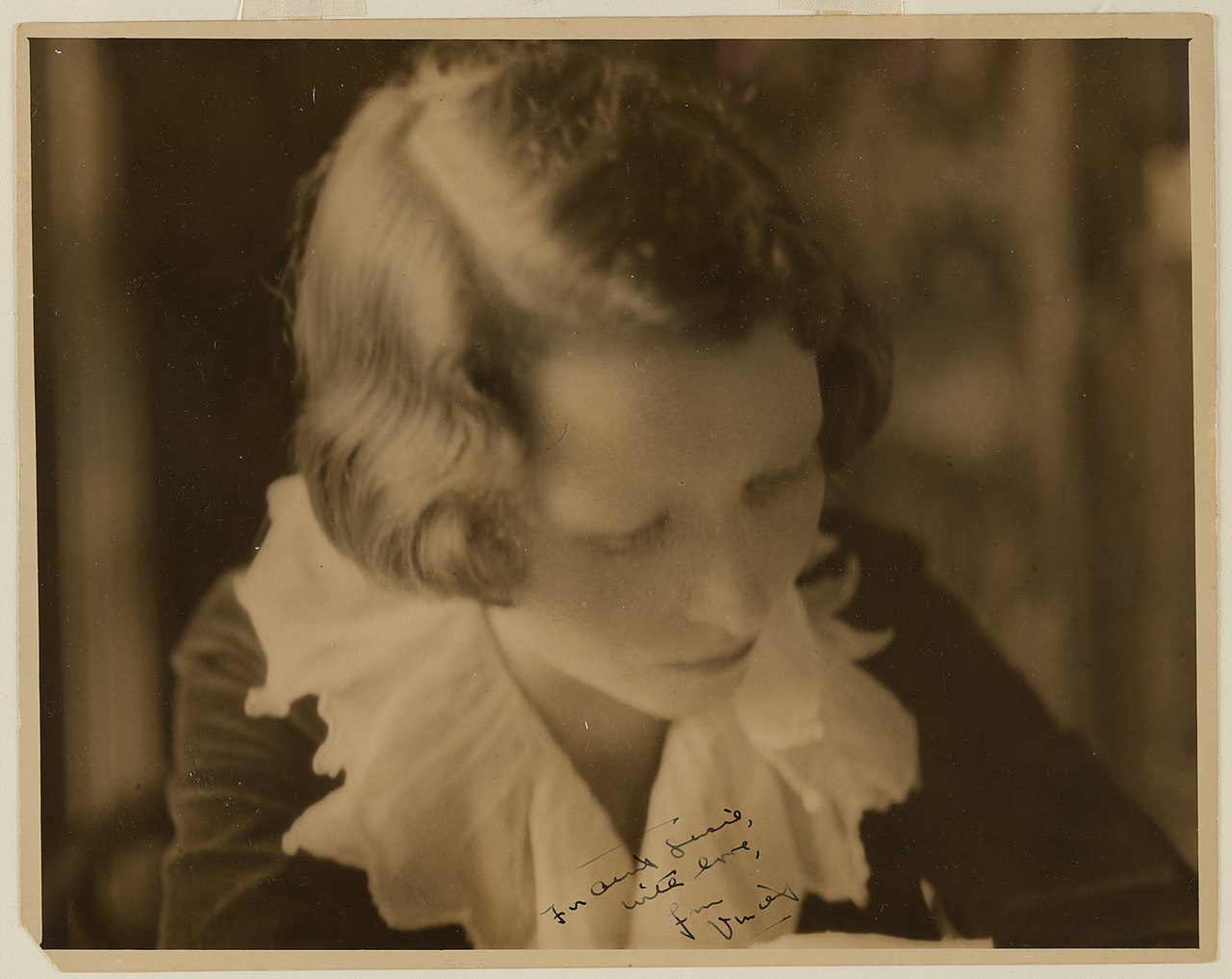
A Pulitzer-winning virtuoso of the sonnet and a symbol of the modern “New Woman,” Millay burned her candle at both ends — pouring love, desire, and fierce independence into some of the finest American verse of her century.
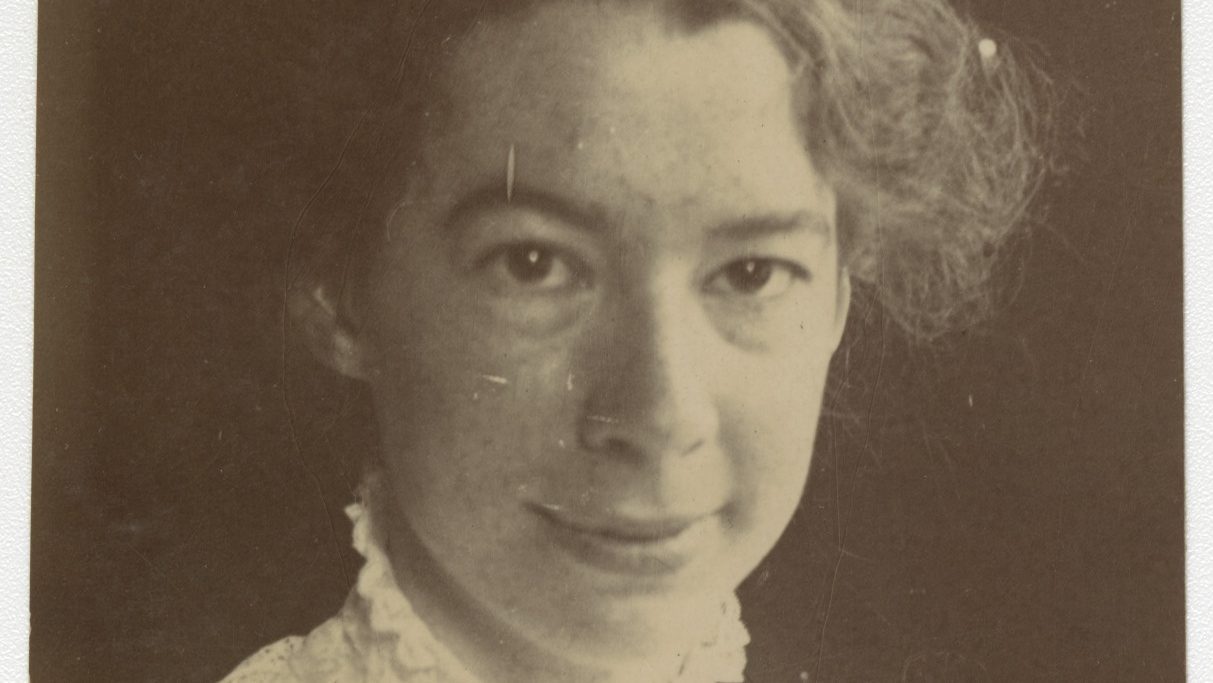
An American master of the short lyric, Teasdale won the prize that became the Pulitzer and wrote some of the most quietly haunting poems of her age — from “There Will Come Soft Rains” to “Barter” — on love, beauty, and loss.
She got the kiss she hoped for and found it wasn’t enough. Teasdale’s tiny poem isn’t about a bad kiss, but about the kind of person for whom the dream always outshines the real thing.
Strephon and Robin kissed her in jest and play, and both are gone. Colin only looked, and that look stays. Teasdale’s tiny song makes the unspoken glance outweigh two real kisses.
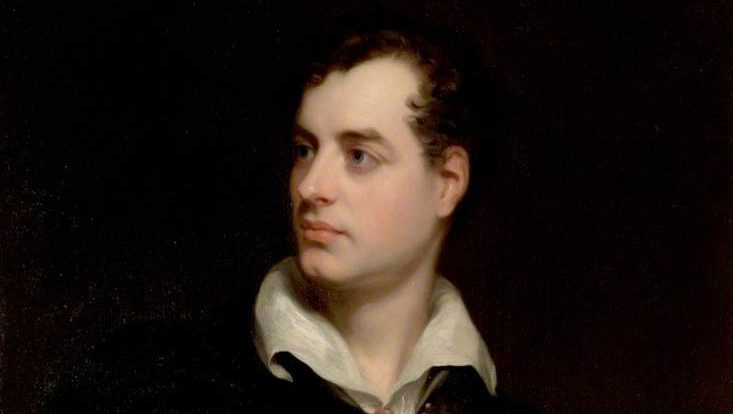
Poet, celebrity, exile, and creator of the Byronic hero: Byron lived as boldly as he wrote, from “She Walks in Beauty” to the satirical sweep of Don Juan, before dying at thirty-six in the cause of Greek freedom.
Poe’s last poem sounds like the tenderest of love songs. Look closer and its speaker blames Heaven for murder and sleeps each night in a tomb — a beautiful elegy that is also a study in grief turned to obsession.
It’s the most quoted love poem in English — but “How do I love thee?” is stranger and darker than its wedding-reading fame suggests. Barrett Browning sets out to count the ways she loves, only to show that love defeats counting — and she builds that love not from young romance but from old grief and the faith she thought she’d lost.
Keats’s “Bright Star” is usually read as choosing warm human love over cold cosmic eternity. But the sonnet is caught in a trap: a star is constant precisely because it is alone and detached, while human warmth is mortal and always in motion. Keats wants permanence without isolation — and the poem half-knows you can’t have both, which is why its last line splits open into “live ever — or else swoon to death.”
Byron’s most beloved lyric does something unexpected: it praises beauty by comparing it to night, not day — “all that’s best of dark and bright” meeting in a single face. And it was written not for a lover but for a cousin glimpsed across a ballroom in a black, spangled mourning gown.
Lord Byron’s lyric of a secret love affair that ended in silence — and the grief that returns at the sound of a name. Full poem, summary, and analysis.