Matthew Arnold
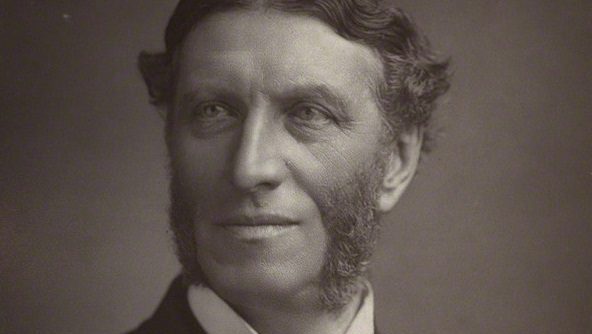
The Victorian poet and critic behind “Dover Beach”: a life spent bridging faith and doubt, Romantic feeling and classical restraint, poetry and the criticism that made him the “sage” of his age.
 maximus
The Victorian poet and critic behind “Dover Beach”: a life spent bridging faith and doubt, Romantic feeling and classical restraint, poetry and the criticism that made him the “sage” of his age.
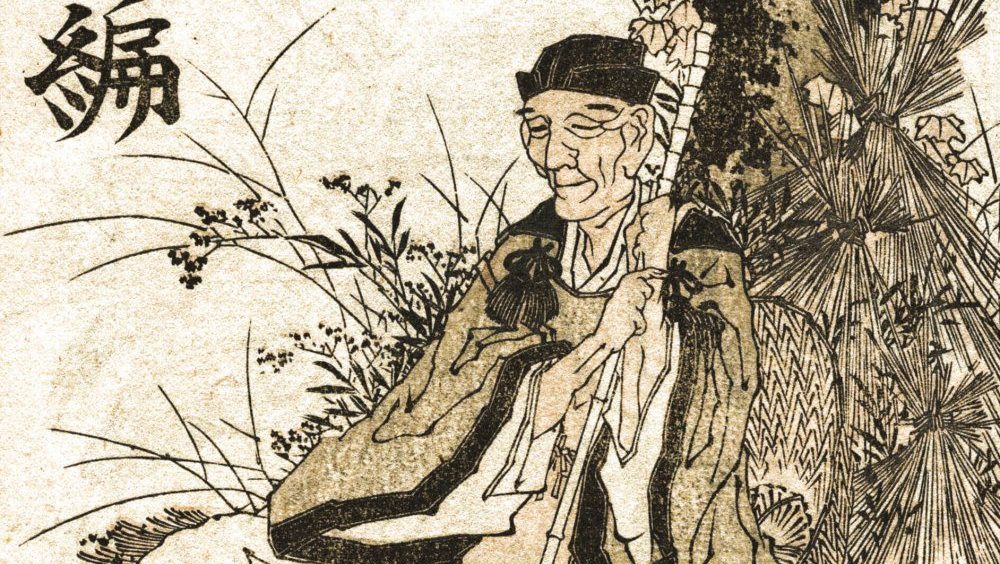
Japan’s supreme haiku master, Bashō turned solitary journeys on foot into poetry of startling clarity — from the famous frog and the old pond to The Narrow Road to the Deep North — finding eternity in the fleeting moment.

Discover the life and legacy of Li Bai, the Tang dynasty poet whose lyrical mastery and Daoist spirit made him one of China’s most beloved and enduring literary figures.
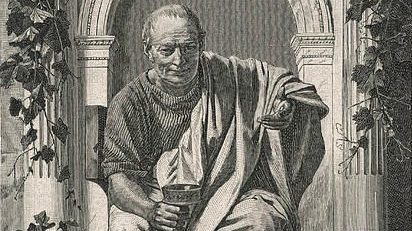
Discover the life and legacy of Horace, the Roman poet whose Odes and Satires shaped Western poetry with their wit, philosophy, and enduring call to “seize the day.”
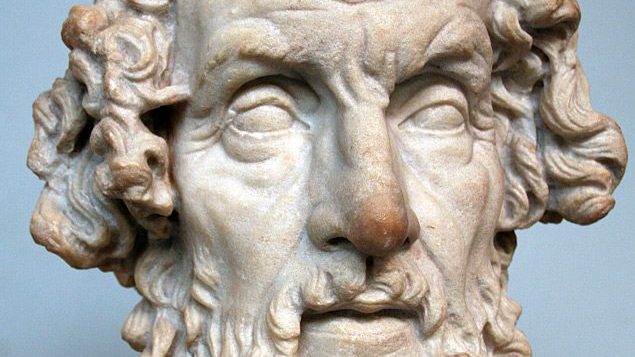
Discover the life and legacy of Homer, the legendary Greek poet whose Iliad and Odyssey laid the foundations of Western literature and epic storytelling.
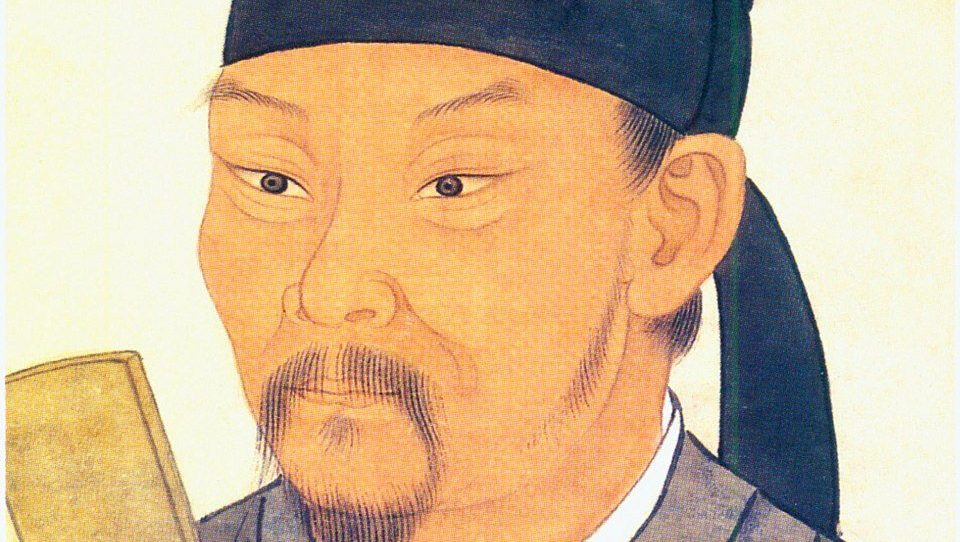
Discover the life and legacy of Du Fu, the Tang dynasty poet whose profound compassion and mastery of form made him the moral voice of Chinese poetry.
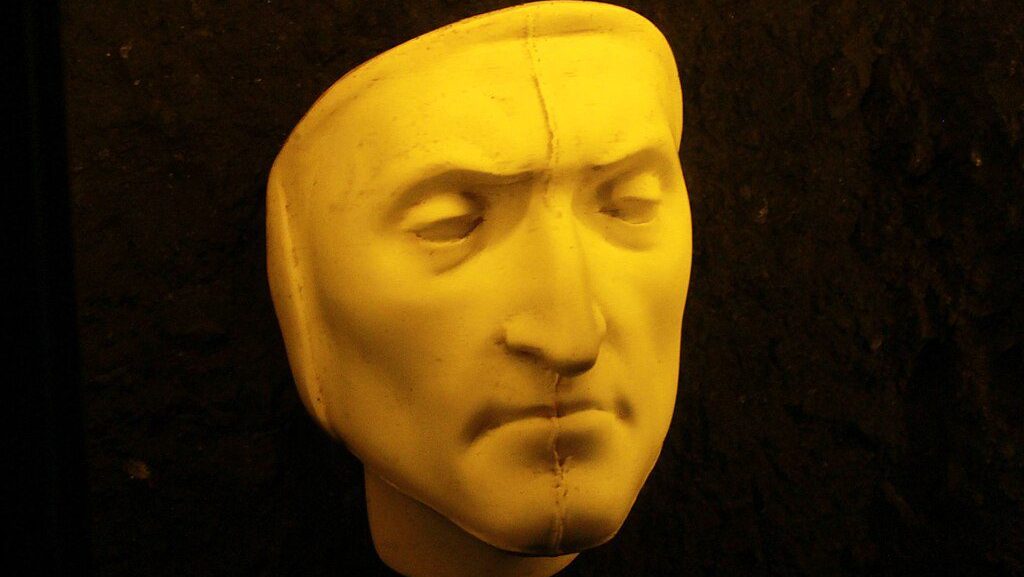
Discover the life and legacy of Dante Alighieri, the Italian poet whose Divine Comedy transformed the medieval imagination and shaped the future of world literature.
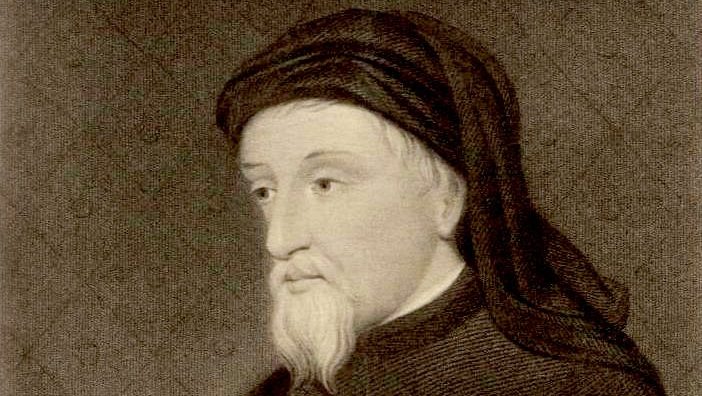
Discover the life and legacy of Geoffrey Chaucer, the father of English literature whose Canterbury Tales transformed Middle English poetry into timeless art.
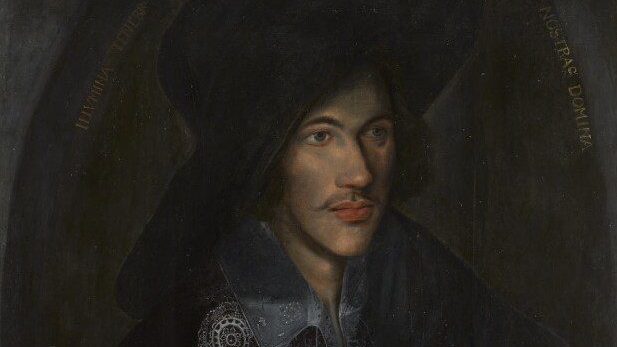
Foremost of the Metaphysical poets, John Donne fused intellect, passion, and faith — from audacious love lyrics to the Holy Sonnets and the sermons that made him Dean of St Paul’s.
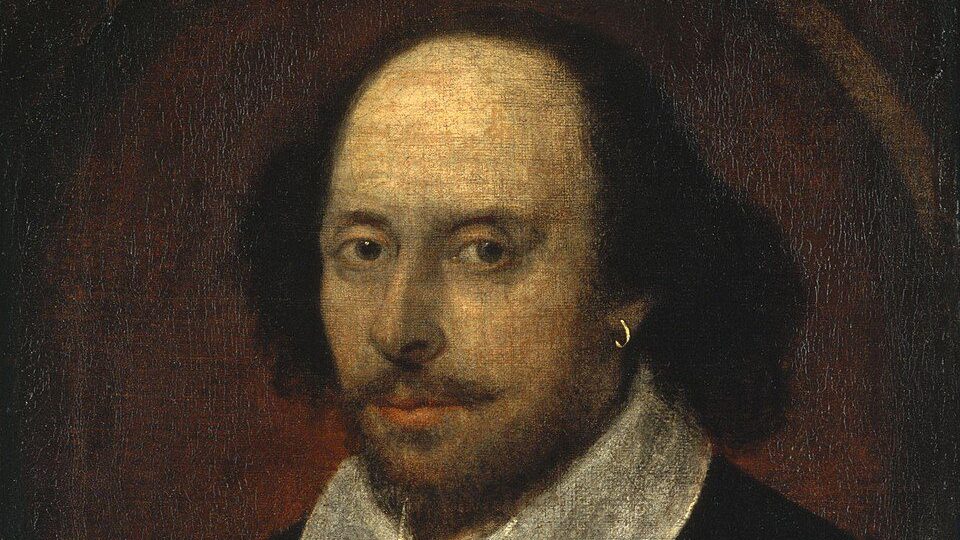
Discover the life and legacy of William Shakespeare, the Bard of Avon whose plays and sonnets shaped English literature and continue to inspire readers worldwide.
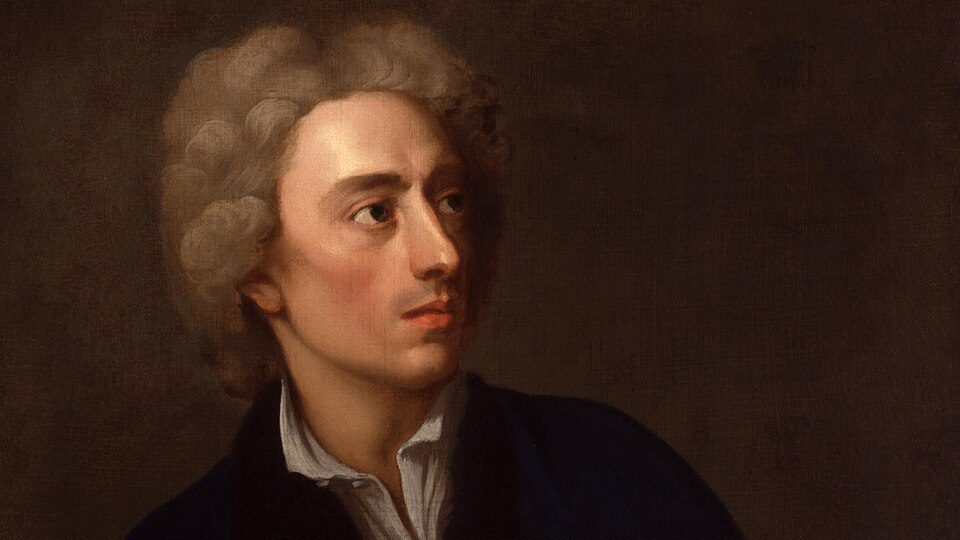
Explore the life and legacy of Alexander Pope, the master of the heroic couplet whose wit, precision, and moral insight defined 18th-century English poetry.
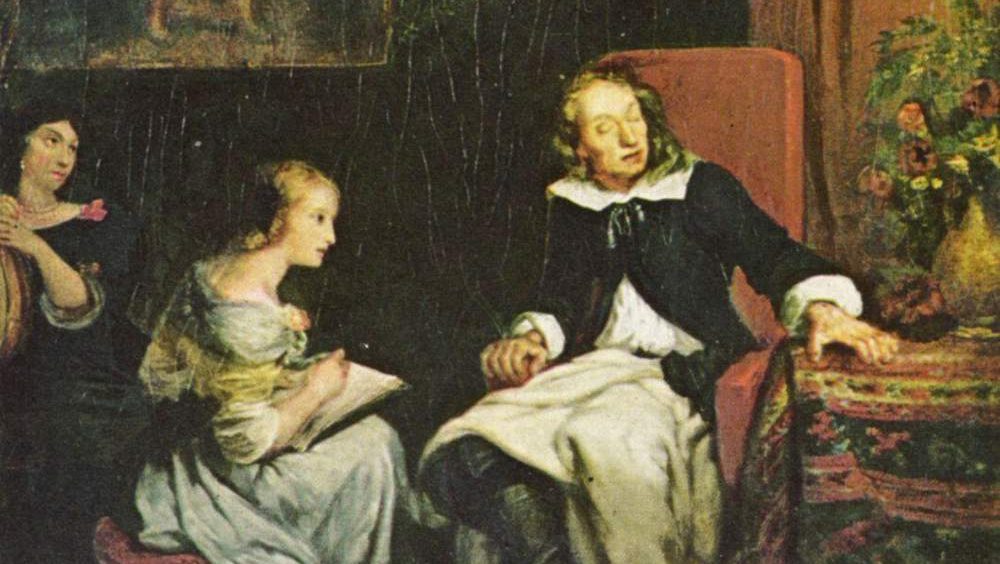
A comprehensive biography of John Milton, tracing his life, works, and enduring influence on poetry, politics, and the idea of freedom.