In the Bleak Midwinter
Christina Rossetti’s frozen Christmas poem is stranger and bleaker than Holst’s tune lets on. A close reading of the world that refuses to receive.
 maximus
 Christina Rossetti’s frozen Christmas poem is stranger and bleaker than Holst’s tune lets on. A close reading of the world that refuses to receive.
William Wordsworth’s “I Wandered Lonely as a Cloud” (1807), better known as “Daffodils” — full text plus summary, background, analysis of themes, form notes, notable lines, and a glossary of older terms.
Explore Alexander Pope’s Essay on Criticism with a detailed analysis of taste, judgment, literary rules, and the art of evaluating poetry.
Explore Alexander Pope’s Eloisa to Abelard with a detailed analysis of forbidden love, memory, and spiritual conflict.
Read A. E. Housman’s With Rue My Heart Is Laden with the full poem and an in-depth analysis of youth, loss, and the ache of remembrance.
A twenty-year-old does the math on how many springs he has left and decides to spend them looking at a tree. The least dramatic carpe diem in English, and one of the most exact.
Everyone reads it as the artist sealed off from life. But the 1842 revision strips away the explanation and leaves something stranger and crueler: a death received by the world as a pretty corpse.
Robert Burns’s “A Red, Red Rose” reshapes a Scots folk song into a vow that grows past all reason — love measured against drying seas, melting rocks, and the whole run of a life. In four short quatrains it moves from a single image (a rose newly sprung in June) to an oath against the end of the world, and closes not on grand impossibility but on a simple, human promise: to come again, though it were ten thousand mile.
It’s the poem of the poppy, recited at every Remembrance Day — but “In Flanders Fields” is not the gentle elegy its reputation suggests. After two stanzas of larks and poppies and the quiet voice of the dead, McCrae’s final stanza pivots into something far harder: a demand from the fallen that the living “take up our quarrel” and keep fighting. The most beloved remembrance poem in English is also a war poem, and that tension is the source of both its power and its long controversy.
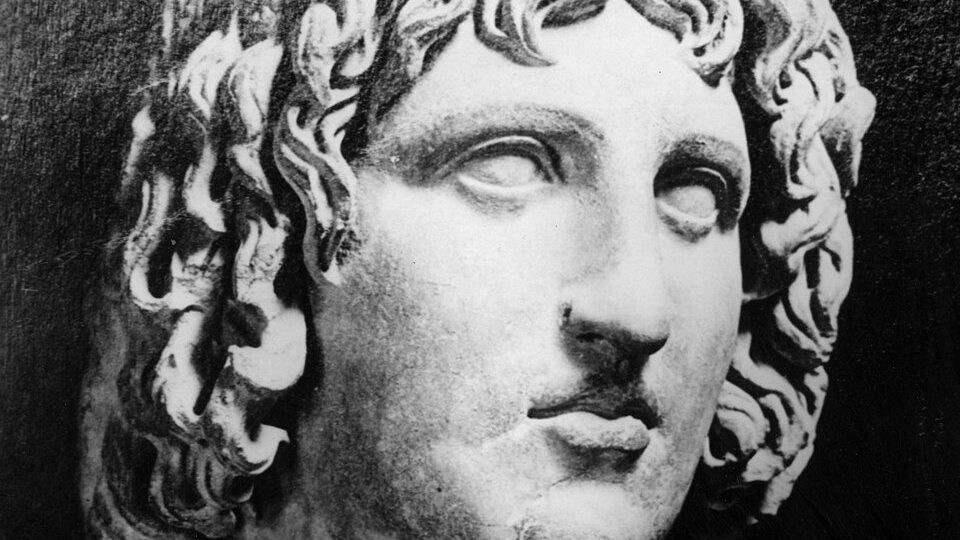
Explore the life and legacy of Virgil, Rome’s greatest poet and author of The Aeneid, whose epic vision of fate and duty shaped Western literature for millennia.
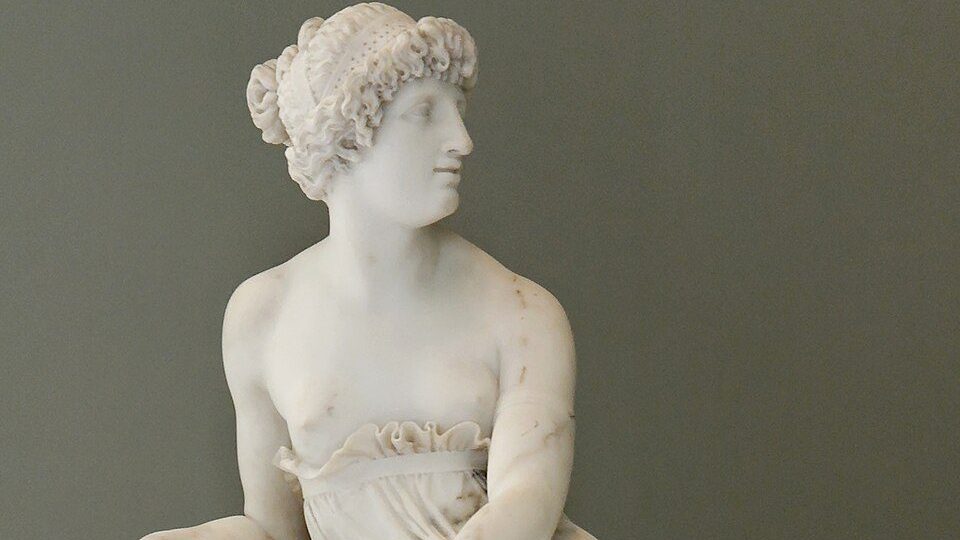
Explore the life and legacy of Sappho, the Greek poet of Lesbos whose lyrical verses on love and longing earned her the title “Tenth Muse.”
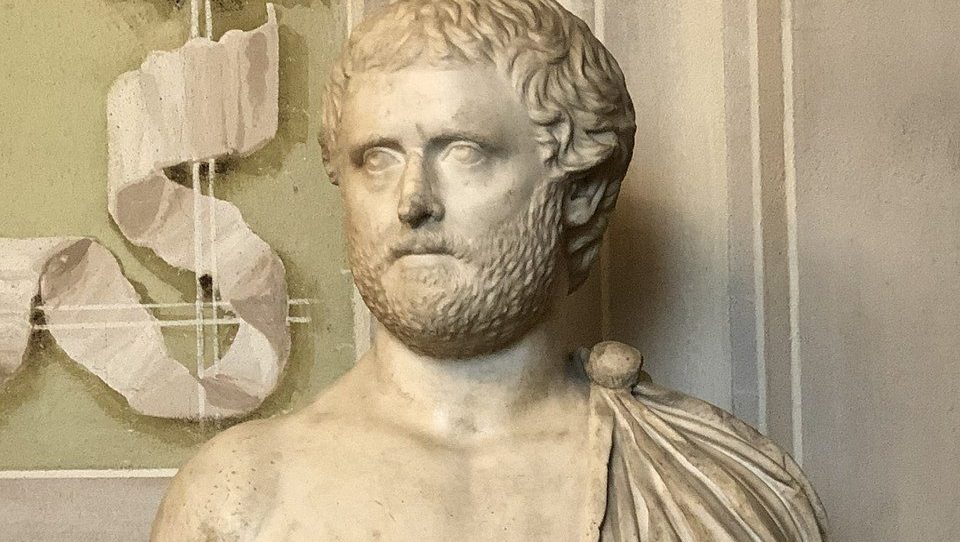
Discover the life and legacy of Ovid, the Roman poet whose Metamorphoses and Art of Love transformed myth and emotion into timeless expressions of human creativity.